Best Budget Tips for Malaysians (2026 Money-Saving Guide)
With the rising cost of living in Malaysia, managing your monthly budget has become more important than ever. Whether you’re trying to reduce expenses, save more, or simply stretch your salary until the end of the month, these practical budget tips for Malaysians will help you take better control of your finances in 2026.
1. Track Your Monthly Spending
Most Malaysians overspend simply because they don’t track where their money goes. A simple habit of recording your spending can help you identify unnecessary purchases.
- Use free apps like MAE, TNG eWallet, or Money Lover
- Group expenses into categories (Food, Transport, Bills)
- Review your spending every week
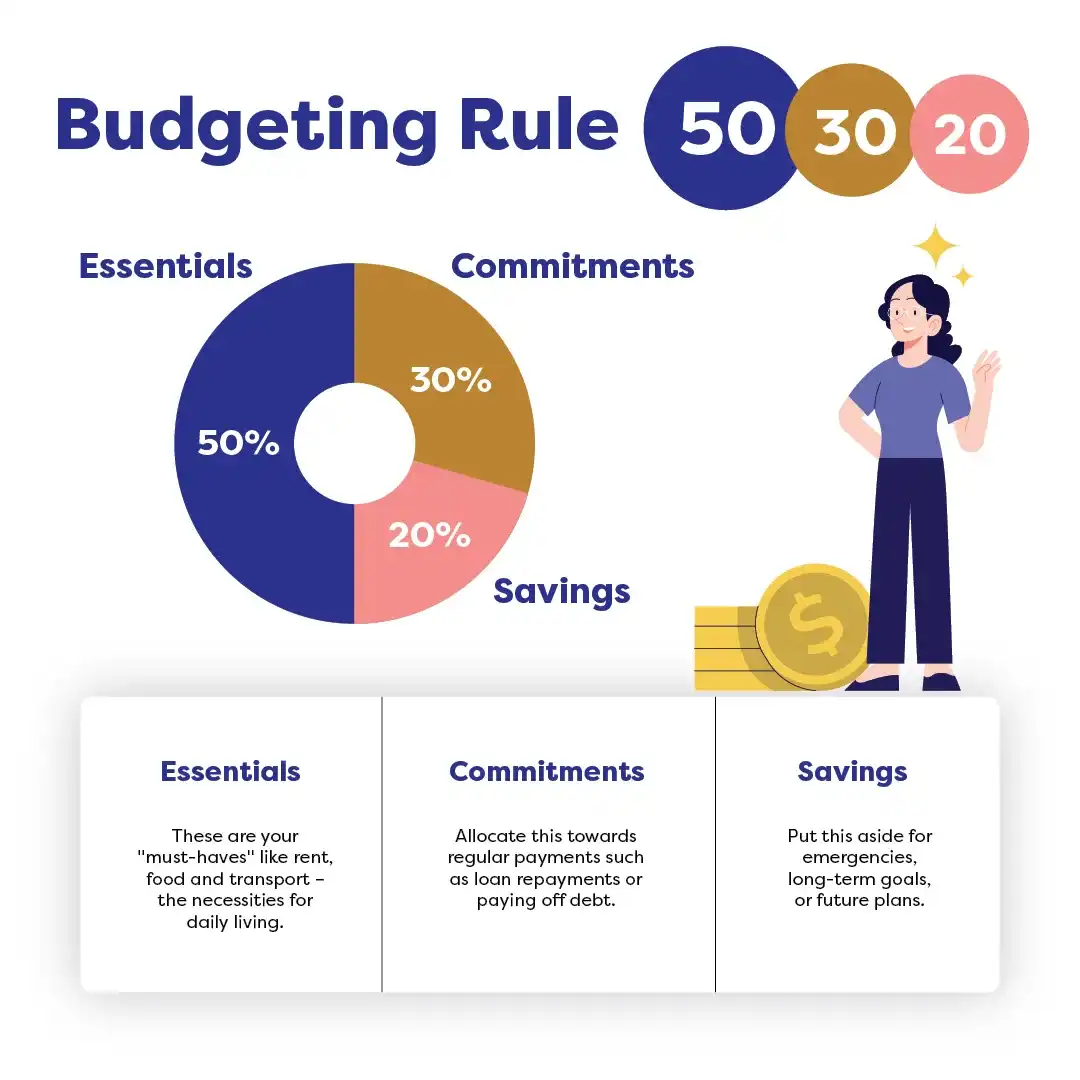
2. Set a Monthly Budget and Stick to It
A realistic budget helps you avoid overspending and gives you more financial clarity. Start with the 50/30/20 rule as a guide.
- 50% essentials (rent, groceries, bills)
- 30% wants (shopping, eating out)
- 20% savings or investments
Adjust based on your lifestyle and income.
3. Reduce Unnecessary Food Spending
Eating out daily can take a huge portion of your income. Reducing just a few meals outside each week can help you save a lot.
- Cook at home more often
- Buy groceries in bulk to save money
- Avoid impulse food purchases when hungry
- Prepare simple meals for lunch at work
4. Cut Down on Subscriptions You Don’t Use
Many Malaysians subscribe to multiple services like Netflix, Spotify, gym memberships, or delivery subscriptions — but often don’t use them regularly.
- Cancel unused subscriptions
- Share plans with family or friends
- Switch to cheaper alternatives
5. Save on Transportation Costs
Transport is one of the biggest monthly expenses for most Malaysians. A few adjustments can make a big difference.
- Use public transport whenever possible
- Carpool to work or events
- Plan your routes to reduce fuel usage
- Maintain proper tyre pressure for better fuel efficiency
6. Shop Smart and Take Advantage of Discounts
Malaysia has monthly sales across Shopee, Lazada, Grab, and supermarkets. Plan your shopping during these periods.
- Buy during 10.10, 11.11, 12.12 sales
- Compare prices using price tracker apps
- Use promo codes and vouchers wisely
7. Build an Emergency Fund
Having emergency savings can protect you from unexpected expenses such as medical bills, car repairs, or job loss. Start small and build up over time.
- Aim for RM1,000 first
- Eventually save 3–6 months of expenses
- Keep it in a separate savings account
8. Avoid Impulse Purchases
Impulse buying is one of the biggest reasons Malaysians overspend. A simple trick like the “24-hour rule” helps you avoid unnecessary purchases.
- Wait 24 hours before buying non-essential items
- Remove saved cards from shopping apps
- Unfollow brands that tempt you to buy more

Frequently Asked Questions (FAQ)
1. What is the best way for Malaysians to start budgeting?
Start by tracking your spending for 30 days. Then set a monthly budget using the 50/30/20 rule.
2. How much should I try to save every month?
A good starting point is 10–20% of your income, depending on your expenses.
3. Does eating at home really save money?
Yes, cooking at home reduces food expenses significantly compared to daily restaurant meals.
4. Should I cancel subscriptions to save money?
Cancel anything you don’t use regularly. It adds up over time.
5. Why is an emergency fund important?
It protects you during unexpected situations and reduces financial stress.
Conclusion
Managing your budget doesn’t have to be complicated. These simple budget tips for Malaysians can help you reduce monthly expenses, save more, and build better financial stability in 2025.
More Lifestyle & Money Tips: