Hearing that you may need radiotherapy after breast surgery can make the next step feel uncertain. This guide to breast cancer radiation therapy Malaysia explains how carefully planned treatment may target microscopic cells remaining in breast tissue, the chest wall, or nearby lymph nodes after surgery.
Your treatment plan depends on your pathology report, scans, cancer stage, surgery, and overall health. The need for treatment is individualized, but understanding how it is planned can help you ask clearer questions and make decisions with your oncology team.
Quick Answer
For breast cancer, external beam radiation therapy uses high energy beams, such as X-rays, to target a defined area. After breast conserving surgery, it often treats the remaining breast tissue. After mastectomy, it may be recommended when pathology shows cancer in lymph nodes, close margins, or a larger tumour. These findings can increase recurrence risks near the original site.
Most external beam treatment is outpatient care, usually given on weekdays for about three to six weeks. Many people now receive shorter schedules of about 15 to 16 treatment sessions, although your radiation oncologist may recommend a different course or an additional boost dose. Common side effects of radiation therapy may include skin changes, breast tenderness, and tiredness.
External beam radiation is painless while it is delivered, and it does not make you radioactive.
Key takeaways
- Your radiation plan is personal. It depends on your cancer type and subtype, cancer stages, surgery results, scan findings, and other treatments.
- Planning takes time before treatment starts. A CT planning scan helps the team map the target area and protect organs nearby.
- Modern techniques can reduce exposure to healthy tissue. DIBH may help protect the heart during left-sided breast treatment.
- Costs vary widely. Ask for a written cancer treatment quotation that separates planning, treatment delivery, imaging, and doctor fees.
How Breast Cancer Radiotherapy Works
Radiation therapy damages the DNA of cancer cells in the treatment area. Cancer cells often have less ability to repair this damage than normal cells. Healthy tissue can also be affected, so the team shapes and checks the dose of radiation to limit exposure where possible.
The main aim of cancer surgery is to remove the known tumour and assess the surrounding tissue. Radiation therapy then lowers the risk of local cancer recurrence by treating cells too small to see on scans or during surgery.
After breast conserving surgery (lumpectomy), radiotherapy to the whole breast tissue is common. Some patients also receive a boost to the area where the tumour was removed. After mastectomy, your doctor may recommend chest-wall radiotherapy, with or without treatment to nearby lymph nodes, based on the final pathology findings. Regional treatment decisions may also consider the number and location of affected lymph nodes.
Radiotherapy is one part of breast cancer treatment. Depending on your diagnosis, the wider plan may also include chemotherapy and hormone therapy, targeted therapy, immunotherapy, or further surgery. For advanced breast cancer, focused radiotherapy may sometimes relieve symptoms from a particular area, but your medical oncologist will coordinate this with systemic treatment.

Your Diagnosis Drives the Treatment Decision
Breast cancer can be found during screening before you notice symptoms. However, arrange a medical assessment for a new breast lump, nipple discharge, skin dimpling, persistent breast pain, nipple changes, or underarm swelling. These symptoms have other possible causes, so they do not confirm a diagnosis on their own.
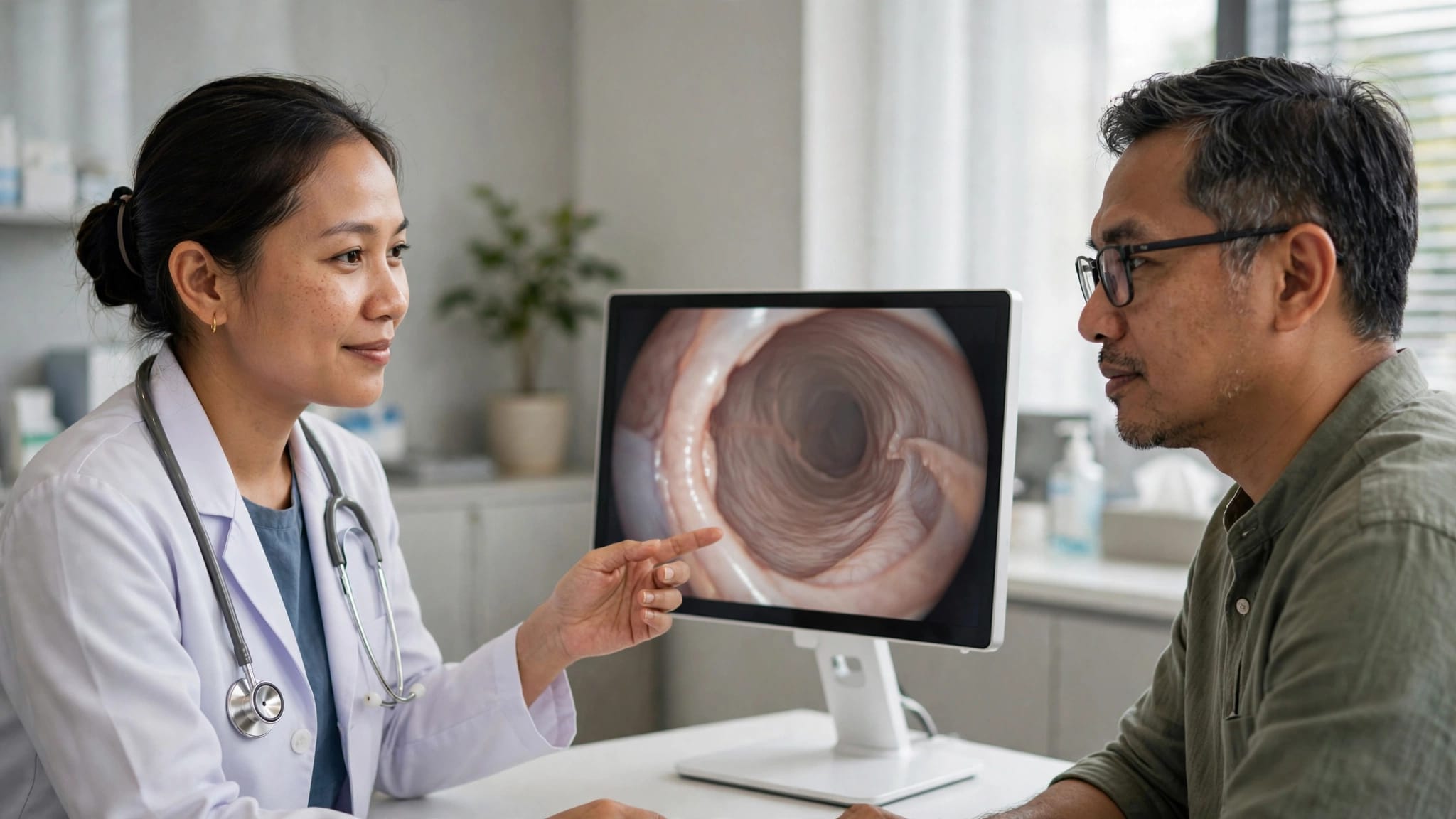
Your team usually starts with breast imaging, such as a mammogram and ultrasound. A biopsy confirms breast cancer and gives the pathologist tissue to assess. Your pathology report may include tumour type and grade, hormone receptor status, HER2 status, lymph-node findings, surgical margins, and other details.
Breast cancer staging brings these findings together. Doctors assess tumour size, whether lymph nodes contain cancer, and whether there is evidence of spread elsewhere. CT, MRI, or a PET scan may be appropriate in selected situations, but people with early stage breast cancers may not need every scan.
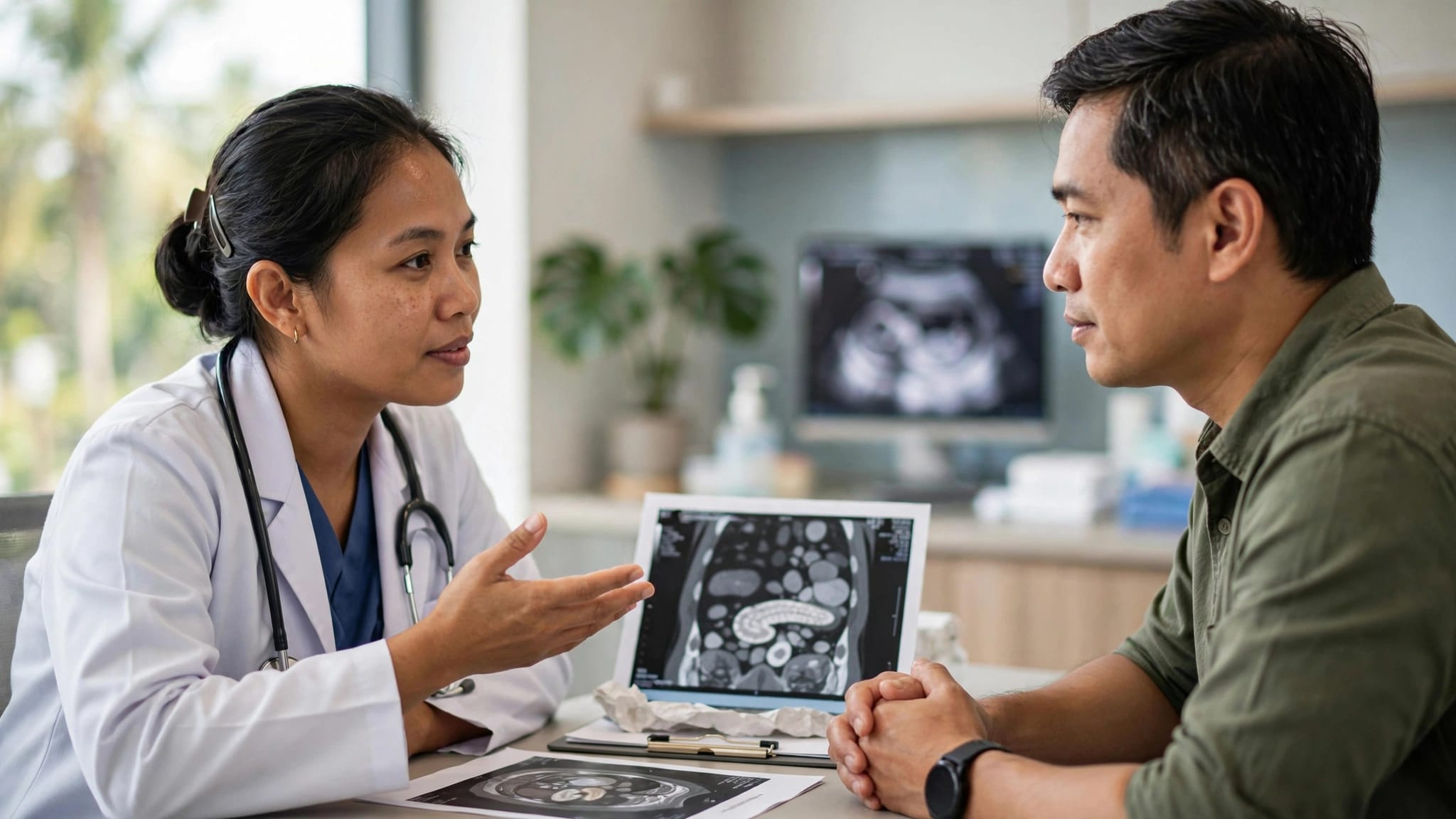
A multidisciplinary team often reviews the results. It may include breast surgeons, radiation oncologists, clinical oncologists, radiologists, pathologists, breast care nurses, and other health professionals. During a radiation oncology consultation, your specialist should explain why radiation is recommended, what area needs treatment, and how it fits with the rest of your care.
Suitability depends on the full clinical picture, not any single test. Your team considers cancer type, cancer stage, scans, biopsy results, pathology, biomarkers, genetics, medical history, hospital availability, and your oncologist’s assessment.
What Happens Before and During Radiotherapy
For breast cancer, treatment begins with a planning appointment called simulation. You lie on a CT scanner in the position used for daily treatment, often with your arms supported above your head. The team may use immobilisation supports, tiny skin reference marks, or surface-guidance tools to reproduce your position accurately.
Radiation oncologists define the breast or chest-wall target and, when needed, the lymph nodes. They also identify nearby organs at risk, including the heart and lungs. Medical physicists and dosimetrists use the CT images to calculate the dose of radiation and create a treatment plan with smaller daily portions called fractions.
Before your first session, the team checks the plan and verifies your position. During treatment, radiation therapists place you on the treatment couch, leave the room, and monitor you through cameras and an intercom. The machine may rotate around you, but it does not touch you.
A typical visit takes 15 to 30 minutes, although radiation delivery lasts only briefly. Treatment sessions usually take place Monday through Friday. Your schedule may be longer if you need a boost, lymph-node treatment, or adjustments for other medical factors. Chemotherapy and hormone therapy may be coordinated with radiotherapy based on your overall treatment needs.
Whole-Breast, Partial-Breast, and Advanced Techniques
External beam radiation therapy is the usual approach for breast cancer. It uses a linear accelerator to deliver radiation from outside your body. The equipment is large, but treatment is non-invasive.
Your doctor may discuss several ways to deliver the radiation.
| Approach | When it may be considered | What it involves |
|---|---|---|
| Whole-breast or chest-wall radiation | Common after lumpectomy, and selected cases after mastectomy | Treats the full breast or chest-wall area, sometimes including nearby lymph nodes |
| Partial-breast radiation | Selected early stage breast cancers with suitable features | Treats a smaller area around the surgical site over fewer treatment sessions |
| Intensity-modulated radiation therapy (IMRT) or VMAT | When dose shaping may improve coverage or reduce exposure to nearby tissue | Uses multiple beam angles or rotating arcs with varying intensity |
| Image-guided radiation therapy (IGRT) | Used with other radiation methods | Takes images to check positioning before or during treatment |
| deep inspiration breath hold (DIBH) | Often considered for left-sided breast cancer | Uses DIBH during a controlled deep breath to move the heart farther from the chest wall |
| IORT | Available only in selected centres and cases | Delivers radiation during surgery, with strict selection criteria |
Whole-breast radiation treats a wider area because microscopic cells can be present in breast tissue beyond the surgical cavity. Partial-breast radiation has a smaller target and may suit carefully selected patients. It is not automatically the better choice because tumour location, margins, age, lymph nodes, breast anatomy, and pathology all matter.
Some centres in Malaysia use techniques such as IMRT, VMAT, IGRT, and stereotactic radiotherapy. TrueBeam or TomoTherapy may be available at certain centres, but availability and suitability vary by centre and patient. The machine name alone should not decide your care or your individual dose of radiation. Your radiation oncologist should explain why a technique suits your treatment plan.

How DIBH Protects the Heart
For left-sided breast cancer, the heart sits close to the chest wall. Deep inspiration breath hold (DIBH) asks you to take and hold a deep breath during treatment delivery. As your lungs expand, they may move the heart farther from the treatment field.
The team practises the breath-hold with you before treatment. A camera, surface-monitoring system, or another method checks that your position and breath level remain within the planned range. The machine delivers radiation only when you meet the required position.
DIBH isn’t necessary or suitable for everyone. Your planning CT shows whether it may meaningfully reduce heart exposure in your case. If holding your breath is difficult, the team can discuss other positioning or planning methods.
Side Effects and Daily Care During Treatment
Side effects of radiation therapy may include skin irritation, redness or darkening, dryness, itchiness, tenderness, swelling, or fatigue. They usually affect treated breast tissue, although the chest wall or regional areas may also be treated. Symptoms often build later in the course and continue briefly after treatment ends.
Your radiation team may suggest a gentle, fragrance-free moisturiser suitable for treated skin. Ask before applying creams, deodorants, powders, or traditional remedies near the treatment area. Wear loose, soft clothing and protect the area from strong sun and heat.
You may also feel stiffness when raising your arm, especially after lymph-node surgery. Your team may refer you to a physiotherapist for safe shoulder exercises. Report new or worsening arm swelling, as surgery and lymph-node radiation can raise the risk of lymphoedema.
Long-term effects are less common but can include changes in skin or breast texture, firmness, persistent swelling, rib discomfort, lung inflammation, or heart effects. The risk varies with the treatment area and dose. Tell your team promptly if you develop blistering, broken skin, fever, breathlessness, severe pain, or other concerning symptoms.
Fatigue can also affect sleep and concentration. If treatment stress disrupts your routine, gentle habits from this Malaysia sleep guide may help, but speak with your care team before using sleep medicines or supplements.

Costs, Hospital Choice, and a Second Opinion
There is no single breast cancer treatment cost for radiation therapy in Malaysia. Charges can differ based on the hospital, number of treatment sessions, technique, planning complexity, daily image guidance, physician fees, follow-up care, and whether lymph nodes are included.
Ask the hospital for an itemised quotation before you start. It should state whether it includes the planning CT, immobilisation devices, treatment planning, radiation delivery, verification imaging, DIBH where needed, consultations, and skin-care medications.
In the public system, referrals may begin through Klinik Kesihatan, a government hospital, or your surgical team. Cancer treatment waiting times vary by centre capacity, clinical urgency, and the treatment needed. Private cancer hospitals may have different appointment timelines and payment processes.
When comparing Malaysian hospitals, look beyond the advertised equipment. Ask whether the centre has radiation oncologists experienced in breast treatment, a breast multidisciplinary team, access to DIBH, breast physiotherapy, nursing support, and a clear process for urgent concerns.
Centres such as Subang Jaya Medical Centre, Icon Cancer Centre, OncoLife Centre, and Gleneagles Hospital Penang publicly list cancer services, but these are examples rather than endorsements. Equipment, technique availability, appointment processes, fees, insurance requirements, and support services can differ, so confirm current details directly.
If cancer treatment feels too expensive, ask to speak with the hospital’s medical social worker. You can also check your insurer’s pre-authorisation requirements and ask about welfare funds, charities, zakat, or other support for which you may be eligible.
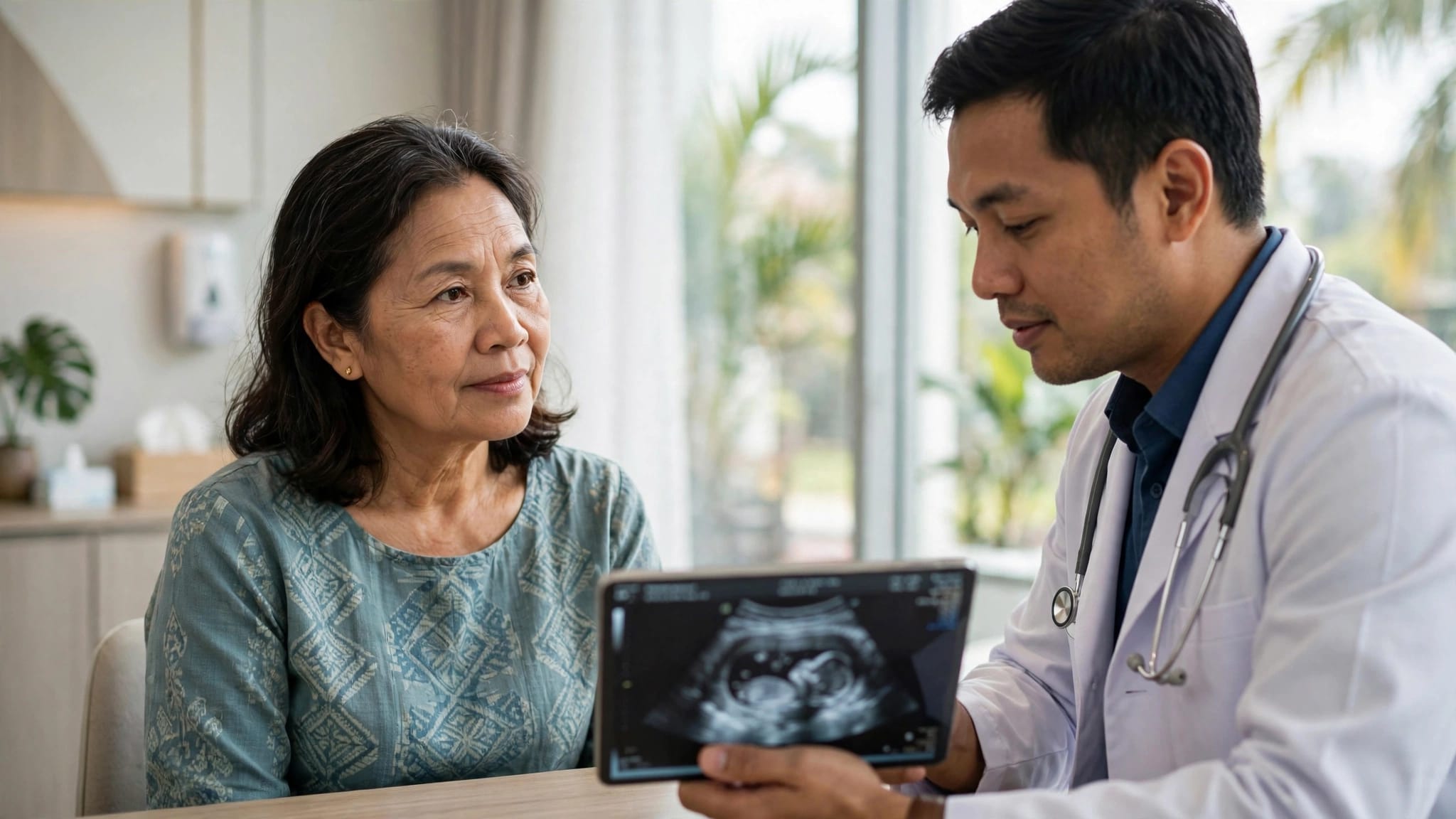
A second opinion for breast cancer can help if the recommendation is unclear, you are choosing between whole-breast and partial-breast treatment, or you are considering overseas cancer treatment. Bring your biopsy slides if requested, pathology report, operative notes, imaging reports and images, and current treatment summary. A medical report review or treatment plan review should support informed discussion, not delay care without speaking to your treating doctor.
Questions to Ask Your Oncologist
Bring a caregiver or write down answers if appointments feel rushed. These questions can guide the discussion:
- Why do you recommend radiation therapy after my surgery, and what area will you treat?
- How do my stage and pathology affect my breast cancer treatment recommendation?
- How should I think about lumpectomy vs mastectomy when choosing my treatment plan?
- Will I need treatment to the whole breast, chest wall, partial breast, or lymph nodes?
- For early stage breast cancers, might partial-breast treatment be appropriate for me?
- What is my planned number of treatment sessions, and will I need a boost?
- Does my left-sided cancer make DIBH appropriate?
- What side effects of radiation therapy are most likely for me, and who should I call after hours?
- How will treatment fit around chemotherapy and hormone therapy, as well as targeted treatment?
- What can you tell me about my prognosis, and how should I interpret any survival rate for my situation?
- What does the written cancer treatment quotation include and exclude?
- Would a second opinion change timing or help clarify any part of my plan?
A Clearer Next Step
Breast cancer radiation therapy in Malaysia is planned around your diagnosis, surgery results, and treatment goals. One purpose is to reduce the risk of cancer recurrence. Before your first session, ask about the target area, schedule, expected side effects, and total costs.
Keep copies of every report and ask questions until the recommendation makes sense to you. Informed consent means you understand the purpose of treatment, along with its limits and possible effects.
Frequently Asked Questions
Do you need radiation after a mastectomy?
Not always. After breast cancer surgery, your radiation oncologist may recommend it when pathology findings suggest a higher risk of cancer returning near the chest wall or regional lymph nodes. Tumour size, surgical margins, lymph nodes, and response to earlier treatment can affect the decision.
How long does skin healing take after breast radiation?
Skin reactions can be among the side effects of radiation therapy and often improve in the weeks after treatment ends, but the timeline differs between patients. If you have darker skin, redness may be less obvious, so report pain, itching, peeling, warmth, or swelling rather than waiting for a visible colour change.
Can you work during radiotherapy?
Many people continue some normal activities because sessions are outpatient and short. However, fatigue, travel time, skin discomfort, and other treatment needs can make a reduced schedule more practical. Ask your doctor about medical leave if needed.
Will radiation therapy give you a personal survival rate?
No individual survival estimate can come from radiation therapy alone. Your doctor considers breast cancer stage, tumour biology, pathology, response to treatment, general health, and many other factors when discussing prognosis. Radiation is recommended to address local recurrence risk, not as a guarantee of any outcome.
Is a second opinion reasonable before treatment starts?
Yes. A second opinion may confirm the plan or offer another perspective on treatment fields, schedule, or technique. Request records early, because a new specialist needs time to review the pathology, scans, and surgery details.
Medical Disclaimer
This content is for general information only. It may not be fully verified or relevant to every patient, and it is not medical advice, a diagnosis, or a treatment recommendation. Consult your own doctor, oncologist, or another qualified healthcare professional before making any medical decision. SureLah is not responsible for medical decisions, treatment outcomes, doctor recommendations, hospital choices, or actions taken based on this article.