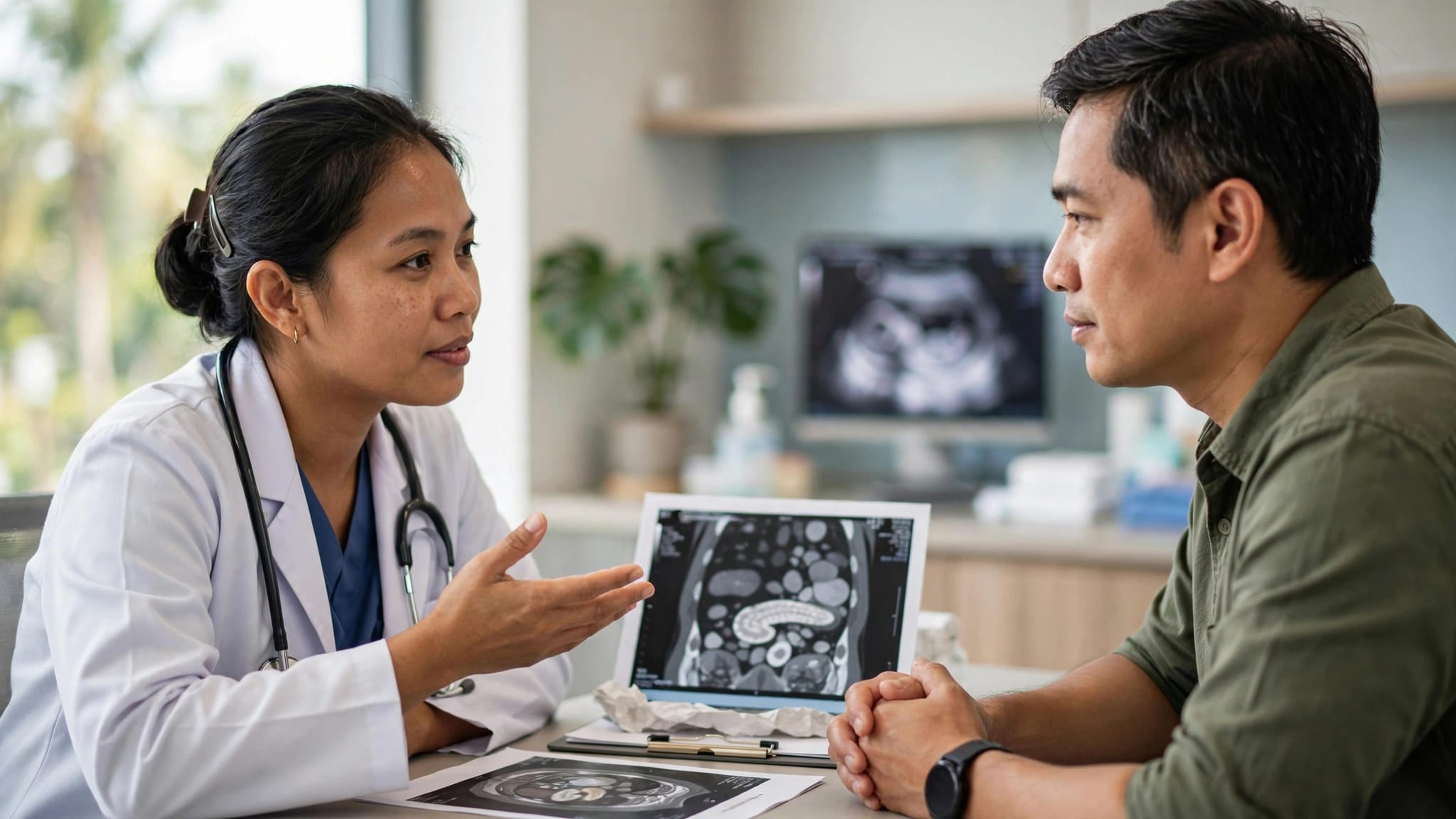
A suspicious pancreatic scan can leave you with two urgent questions: Is it cancer, and do you need a biopsy before treatment? The answer depends partly on what the scans show and what your doctors plan to do next.
For a pancreatic cancer biopsy, doctors in Malaysia may recommend endoscopic ultrasound (EUS) when a tissue result could change your diagnosis or treatment plan. Yet some people with a tumour that appears removable go straight to surgery without a preoperative sample. Understanding that difference can help you discuss your next step.
Quick Answer: When Is EUS Recommended?
Doctors may recommend EUS-guided sampling when you need tissue confirmation before chemotherapy, when a scan cannot clearly identify a pancreatic mass, or when another condition could explain the finding. EUS lets a specialist examine the pancreas from inside the digestive tract and guide a fine needle into the area of concern.
If scans strongly suggest a removable tumour and surgery is planned first, a biopsy may not be necessary beforehand. Your team weighs the likely diagnosis, scan findings, treatment sequence and procedure risks for your situation.
Five Key Takeaways
- A pancreatic biopsy examines cells or tissue; a scan shows where a suspicious area is and how far disease may have spread.
- Tissue confirmation is usually needed before chemotherapy or other treatment that does not begin with surgery.
- EUS-guided sampling reaches the pancreas through the stomach or small intestine, rather than through the abdominal wall.
- A negative or inconclusive sample may need further investigation if the scans remain concerning.
- Your doctor should explain what the result could change before you agree to a procedure.
What Scans and Biopsy Results Tell You
A pancreas-protocol CT scan helps doctors assess a mass, nearby blood vessels and possible spread. MRI may clarify certain findings. These images help your team assess resectability, meaning whether surgery may be able to remove the tumour. They do not always establish what type of tissue forms the mass.
A pathologist examines a biopsy sample under a microscope. This may confirm pancreatic adenocarcinoma or identify a different condition, such as a neuroendocrine tumour or inflammation. That distinction matters because the treatment approaches differ.
Staging asks another question: How far has the disease spread? Doctors use imaging and other clinical findings alongside pathology. A biopsy alone cannot provide the full stage. Likewise, a CA 19-9 blood test can add information, but its level cannot confirm or rule out pancreatic cancer by itself.
When Doctors May Recommend EUS-Guided Sampling
EUS is useful when your doctors need a closer view of a pancreatic lesion and a tissue sample could guide a decision. The approach depends on where the lesion sits and whether the specialist can reach it safely.
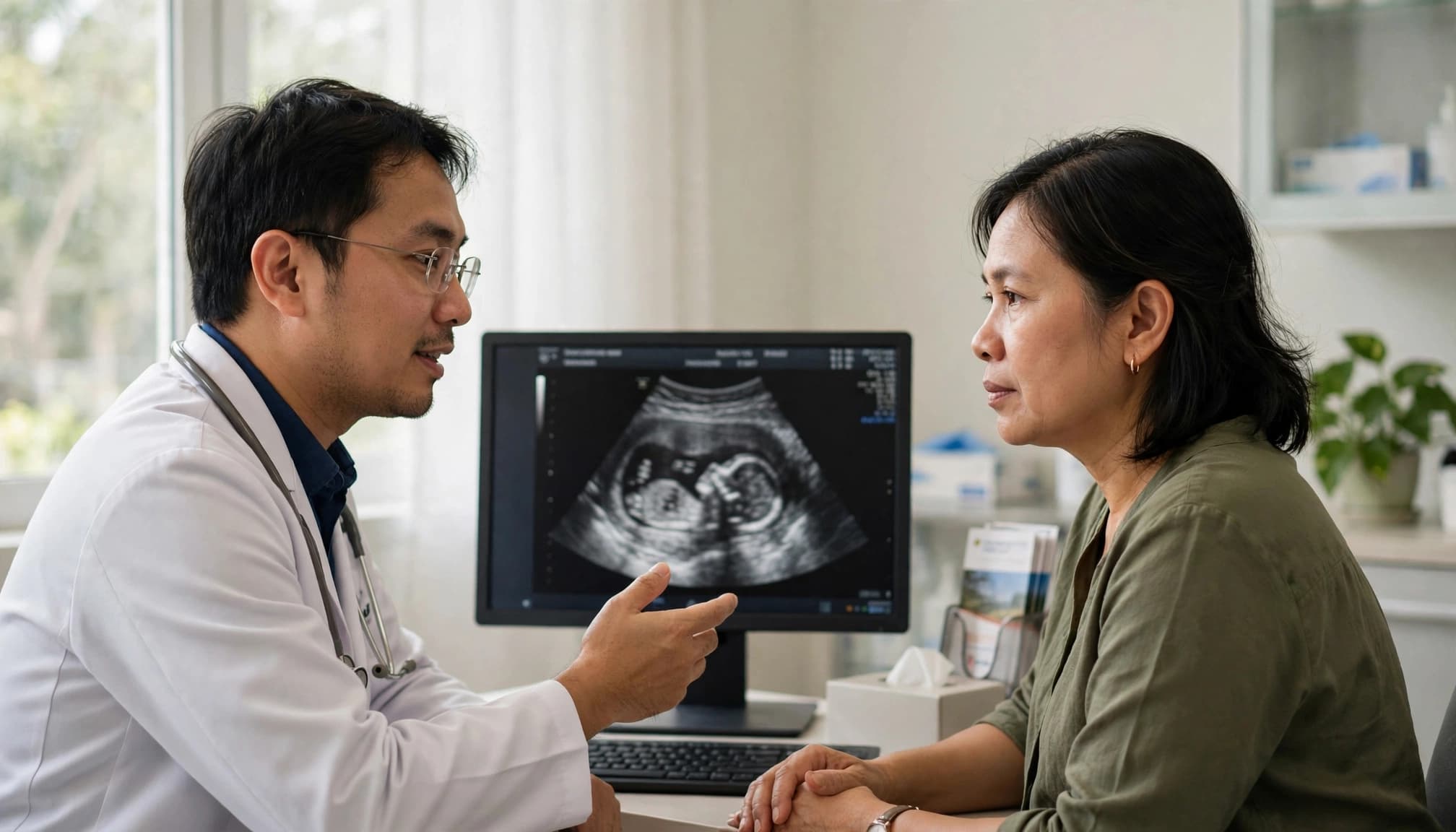
Before treatment that starts without surgery
If chemotherapy is planned before an operation, often called neoadjuvant treatment, your oncology team generally needs a confirmed tissue diagnosis first. The same applies when scans suggest locally advanced or metastatic disease and surgery is not the first step.
For example, a scan may show that a tumour involves important blood vessels. Doctors may then discuss chemotherapy before reconsidering surgery. A sample helps confirm what they are treating before that plan begins.
When scans leave an important question open
Some masses are difficult to characterise on CT or MRI. EUS can provide a close view and guide sampling when the result might distinguish cancer from another condition. It may also help when earlier testing did not collect enough material.
As a clinical review of EUS in pancreatic diagnosis explains, the procedure can combine detailed imaging with tissue collection. Your specialist still needs to judge whether another scan, biopsy route or direct surgical assessment makes more sense.
What Happens During an EUS-Guided Biopsy?
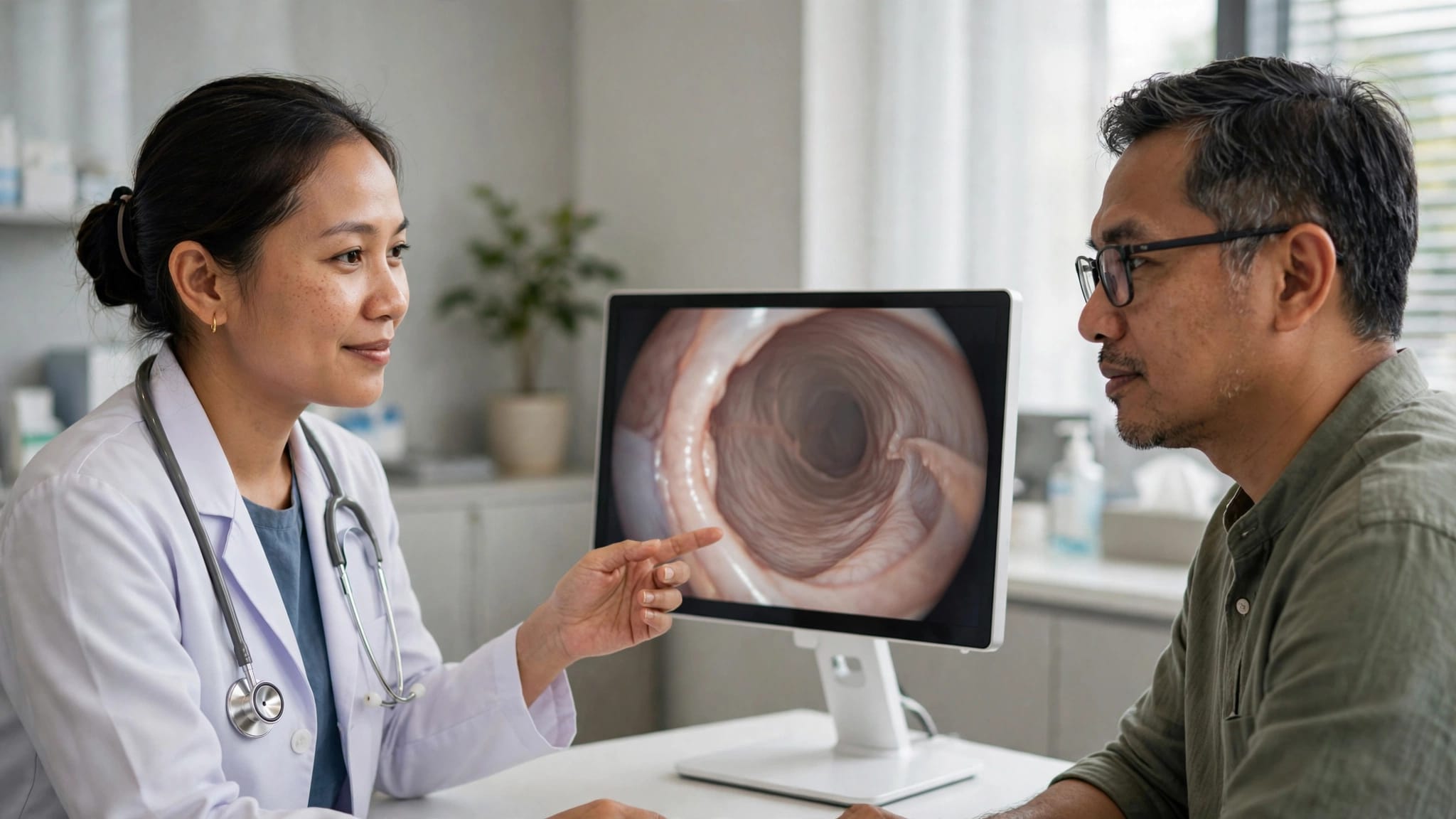
An endoscopist passes a thin, flexible tube through your mouth into your stomach or the first part of your small intestine. An ultrasound device at its tip creates images of the nearby pancreas. If sampling is appropriate, the specialist passes a fine needle through the digestive-tract wall into the target.
FNA and FNB collect different samples
Fine-needle aspiration, or EUS-FNA, collects cells for examination. Fine-needle biopsy, or EUS-FNB, aims to collect a small core of tissue. Both can help establish a diagnosis. Your specialist may favour a core when more tissue is needed for pathology or additional testing.
Neither method guarantees an answer. A small lesion, difficult position or inflammation can make sampling harder, even when the procedure goes as planned.
Preparation depends on your health and medicines
You will usually receive instructions about fasting and sedation before the appointment. Tell the team if you take blood thinners, have medicine allergies, or have diabetes. Don’t stop prescribed medicines on your own; ask the team for a specific plan.
Arrange for someone to take you home if you receive sedation. Before leaving, ask when you can eat, resume medicines and expect a call about the results.
Why Some People Go Straight to Surgery
A preoperative pancreatic cancer biopsy is not required in every case. When high-quality imaging strongly suggests cancer that can be removed and your team recommends surgery first, your surgeon may advise proceeding without needle sampling. The tissue removed during surgery then goes to the pathology laboratory.
This decision avoids an extra invasive procedure that might not change the plan. It does not mean the diagnosis or operation is taken lightly. Your surgeon should explain the scan findings, the chance of another diagnosis, and the benefits and risks of operating.
The exception changes if treatment will start with chemotherapy. In that situation, doctors generally seek tissue confirmation first. Pancreatic cancer workup guidance also describes EUS-guided sampling as a preferred approach when a potentially removable tumour does require a preoperative biopsy.
How EUS Compares With Other Sampling Methods
EUS is common when a pancreatic tissue sample is needed, but it is not the only approach. The safest useful target may be outside the pancreas, especially if imaging shows a suspicious area elsewhere.
Needle sampling through the skin
A radiologist may guide a needle through the abdominal wall using CT or ultrasound. This percutaneous biopsy can be appropriate when a lesion is accessible or when a suspected site of spread, such as a liver lesion, is easier to sample.
The route and risks differ from EUS. Needle-tract seeding, where tumour cells spread along the needle path, is a rare concern discussed when choosing a route. It does not mean a percutaneous biopsy will cause spread. Ask why your team favours one target and route over another.
Sampling during another procedure
If a blocked bile duct needs assessment or treatment, doctors may perform ERCP, an endoscopic procedure that accesses the bile ducts. They can sometimes collect cells with a brush or small forceps, although this may not provide enough material to diagnose a pancreatic mass.
In selected cases, doctors may use laparoscopy to look for spread and collect tissue. Your scans, symptoms and treatment plan determine whether either approach is useful.
Risks and Results Worth Discussing Before EUS
EUS-guided sampling is generally considered a safe procedure, but it is not risk-free. Your own risk depends on the target, your health, your medicines and the sampling method.
Possible complications
You may have temporary throat discomfort or bloating after endoscopy. Less common complications include bleeding, infection and pancreatitis, which is inflammation of the pancreas. Perforation and tumour seeding are rare possibilities. A review of pancreatic sampling risks discusses these complications without suggesting that every patient faces the same risk.
Seek urgent medical advice after the procedure if you develop severe or worsening abdominal pain, fever, repeated vomiting, faintness or signs of bleeding. Follow the discharge instructions from your own hospital.
An inconclusive result is not a clear result
A report that says “insufficient material” means the laboratory could not make a reliable diagnosis from the sample. A result showing no cancer is reassuring only when it also fits the imaging and clinical picture.
If concern remains high, your doctors may recommend another EUS sample, a different biopsy target, follow-up imaging or surgery. Ask what an inconclusive result would mean for your proposed treatment and how the team would resolve it.
After the Pathology Report Arrives
Results may take longer if the laboratory needs additional tissue sections, stains or review. Ask your hospital when to expect an initial report, whether further tests are planned and who will contact you. There is no single turnaround time you should assume for every Malaysian hospital.

If the sample confirms cancer, your team will consider the pathology alongside scans and your overall health. The next discussion may involve surgery, chemotherapy or further assessment. In selected cases, your oncologist may discuss genetic or tumour testing if the findings could affect treatment choices.
Keep a copy of the full pathology report, not only a verbal summary. It helps you ask what diagnosis was established, whether enough tissue remains for further testing, and how the result fits your scans.
Questions to Ask Your Team in Malaysia
Before agreeing to a biopsy, ask your specialist:
- What decision will the tissue result help you make?
- Do my scans suggest surgery first, treatment before surgery or further assessment?
- Why is EUS the preferred sampling route for my case?
- What happens if the sample is negative or inconclusive?
- When will I receive the report, and who will explain it?
You can also ask for an itemised estimate covering the endoscopy, sedation, pathology and follow-up consultation. Services, waiting times and charges may differ between hospitals.
If you remain uncertain about the diagnosis or proposed sequence of care, a medical second opinion may confirm the plan, clarify why more testing is needed or identify another appropriate approach. Bring the original scan images, written reports and pathology records for that discussion. Another opinion does not automatically mean a different treatment is available.
Frequently Asked Questions
Can a scan diagnose pancreatic cancer without a biopsy?
Scans can make pancreatic cancer highly likely and help doctors decide whether a tumour appears removable. They cannot always establish the exact tissue diagnosis. If surgery is the first treatment, doctors may obtain that diagnosis from the tissue removed at surgery instead of taking a preoperative biopsy.
Is EUS the same as a CT scan?
No. A CT scan takes images across your abdomen and helps assess the tumour and possible spread. EUS uses an ultrasound device inside your digestive tract to examine nearby structures closely. It can also guide a needle to collect cells or tissue.
Does a normal CA 19-9 result rule out cancer?
No. CA 19-9 can be normal in someone with pancreatic cancer and elevated for reasons other than cancer. Your doctor interprets it alongside imaging, symptoms and pathology.
How long will I wait for biopsy results?
The timing varies with the laboratory and whether additional tests are needed. Ask for your hospital’s expected reporting date and a follow-up appointment. If that date passes, contact the team rather than assuming a delay means a particular result.
The Decision Depends on What the Result Will Change
A worrying scan does not automatically mean you need a needle biopsy. Your doctors may recommend EUS when a tissue result can confirm an uncertain diagnosis or support a treatment plan that starts without surgery. If surgery is appropriate first, they may advise against a preoperative sample.
The most useful question to take to your consultation is what changes after the result. Your team can explain the choice using your scans, health and treatment options.
Medical disclaimer: This content is for general educational purposes only and may not apply to every patient. It is not medical advice, a diagnosis or a treatment recommendation. Consult your own doctor, oncologist or another qualified healthcare professional before making medical decisions.