A breast cancer diagnosis can make every decision feel urgent, especially when surgery is discussed early. Yet choosing between lumpectomy vs mastectomy Malaysia is not about finding one operation that suits everyone.
Your tumour details, breast size, scans, pathology report, cancer stage, future radiotherapy, and health history can all shape the treatment plan. Cost, recovery, family plans, body image, and emotional well-being may also influence your priorities. Bring these questions to your breast surgeon and oncologist, who can help you understand the options without assuming one procedure is right for you.
Key Takeaways
- Lumpectomy and mastectomy can both be appropriate for selected people with early-stage breast cancer, with comparable overall survival in clinical evidence when treatment is suitable.
- The recommended operation depends on tumour size, location, number of affected areas, pathology, lymph-node findings, breast size, genetic risk, and your treatment preferences.
- Lumpectomy is usually followed by radiation therapy, while mastectomy may still require radiation, chemotherapy, hormone therapy, or targeted treatment.
- Recovery is often shorter after lumpectomy, whereas mastectomy may involve drains, a longer recovery, and possible breast reconstruction.
- Ask for an itemised quotation, discuss future pregnancy and breastfeeding plans, and consider a second opinion if you remain unsure about a major operation.
Lumpectomy vs mastectomy Malaysia: the practical difference
A lumpectomy, also called breast-conserving surgery or wide local excision, removes the cancer and a small rim of surrounding breast tissue. Your surgeon aims to leave enough healthy tissue behind while achieving clear margins.
A mastectomy removes nearly all of the breast tissue on one side. It may be recommended when breast conservation is unlikely to remove all disease safely, or when it does not fit your preferences.

For appropriately selected people with early-stage breast cancer, lumpectomy followed by radiation therapy and mastectomy are accepted breast cancer treatment options with comparable overall survival in clinical evidence. However, population-level survival rates do not predict your individual outcome. Your pathology, nodal findings, tumour biology, and response to treatment remain important.
| Question | Lumpectomy | Mastectomy |
|---|---|---|
| How much tissue is removed? | Tumour plus margin | Nearly all of the breast |
| Is postoperative radiation common? | Usually, yes | Sometimes, depending on pathology and nodal findings |
| Is breast reconstruction possible? | Sometimes, but less often needed | Often considered, either immediately or later |
| Is recovery usually shorter? | Often shorter | Usually longer, especially with reconstruction |
Mastectomy options include total mastectomy, modified radical mastectomy, skin-sparing mastectomy, and nipple-sparing mastectomy. A modified radical procedure also removes axillary lymph nodes. Skin- or nipple-sparing surgery may be suitable in selected cases, but tumour position and safety come first.
Removing the breast does not automatically remove the need for chemotherapy, hormone therapy, targeted therapy, or radiation.
When a mastectomy may be recommended
Your doctor may recommend mastectomy if tumor size is large relative to your breast. It may also be advised when cancer appears in several separate areas or remains at the margins after another lumpectomy attempt. Extensive ductal carcinoma in situ may influence this recommendation in selected cases. Inflammatory breast cancer and some situations involving previous chest radiation can also change the surgical plan.
Genetic testing may be relevant if you have a strong family history or suspected hereditary risk, including inherited changes in BRCA1 and BRCA2. In that setting, you may wish to discuss risk-reducing surgery as well as treatment for the current cancer.
For Stage 2 breast cancer treatment decisions, doctors consider whether cancer has reached nearby lymph nodes. They also assess whether chemotherapy should happen before surgery. An MRI scan, biopsy, pathology report review, and biomarker testing for ER, PR, and HER2 can clarify the diagnosis and guide care.
A mastectomy may reduce recurrence risk in the treated breast for some patients, but it cannot eliminate the possibility of cancer returning elsewhere in the body. Your oncologist will assess the full picture rather than the operation alone.
Questions to bring to your oncology consultation
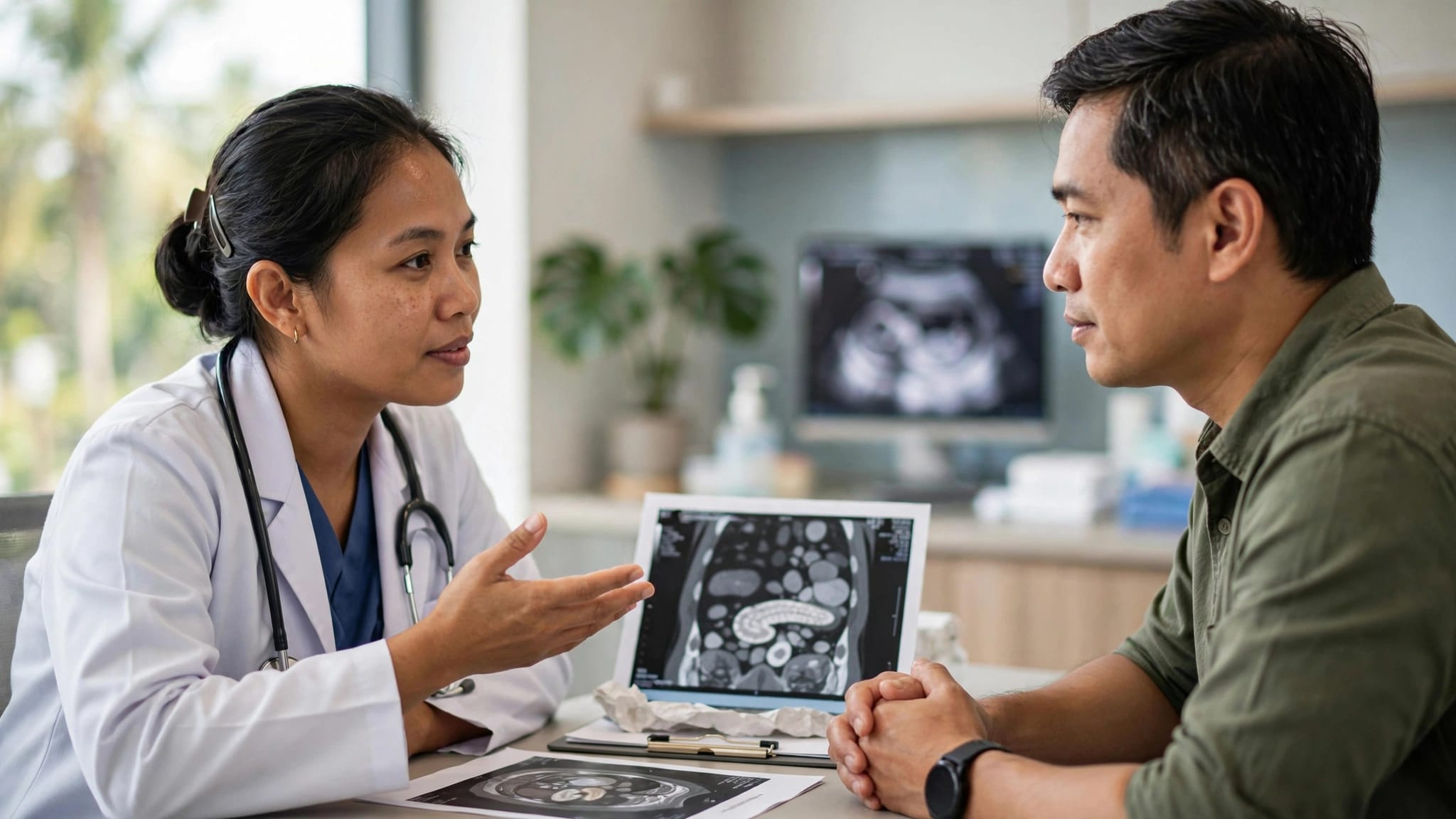
You do not need to decide during your first appointment. Bring a caregiver if you can, write down answers, and ask for plain-language explanations when medical terms feel unclear.

These questions can help you compare the surgical options and make the conversation more useful:
- Is lumpectomy medically suitable for my tumour, and what surgical margins would you expect?
- Do my scans show one tumour or cancer in more than one area of the breast?
- Will you check sentinel lymph nodes, and what happens if cancer is found there?
- If I choose lumpectomy, what radiation therapy schedule would you expect for me?
- What type of mastectomy is appropriate, and can skin- or nipple-preserving surgery be considered?
- Would breast reconstruction be immediate or delayed, and which options are available?
- Could chemotherapy, hormone therapy, targeted therapy, or radiotherapy still be part of my care?
- What recovery time and activity limits should I expect, including driving, work, lifting, exercise, and caring for children?
- What side effects might I experience with each option, both during recovery and later?
- What surgical complications should I know about, and how are they managed?
- How might each option affect my appearance or body image?
- Can I receive an itemised cancer treatment quotation before booking surgery?
Ask your surgeon to explain why one option is recommended for you. The answer should connect directly to your tumour size, location, stage, pathology findings, and treatment goals.
Recovery, radiotherapy, and breastfeeding
You may go home on the same day or after a short stay following a lumpectomy. Recovery time is often short. Many people return to light daily activities within one to two weeks, although soreness, swelling, and fatigue can last longer.
Recovery after a mastectomy often takes several weeks. You may have surgical drains for a period, and your team will show you how to care for the wound and watch for infection. Shoulder exercises and guidance on reducing lymphoedema risk matter, particularly after surgery involving the lymph nodes. Ask about short- and long-term side effects from surgery and radiation.
Do you always need radiation after a lumpectomy?
Most people who have a lumpectomy receive radiation therapy to the remaining breast tissue. This lowers the local recurrence risk in the treated breast. There are limited exceptions, often based on age, tumour features, and planned endocrine therapy, so ask whether you fall into one of them.
Radiation therapy after mastectomy may still be advised for a large tumour, involved margins, or multiple affected nodes. Choosing mastectomy does not guarantee that you can avoid radiation.
Can you breastfeed after surgery?
After a full mastectomy, you cannot breastfeed from that breast because the milk-producing tissue has been removed. You may still be able to breastfeed from the unaffected breast.
A lumpectomy preserves more breast tissue, so breastfeeding may remain possible. However, the surgery location, radiotherapy, milk supply, and any later treatment can affect this. Discuss future pregnancy and breastfeeding plans before surgery, especially if they are important to you.
Costs, insurance, and getting another perspective
In Malaysia’s private sector, broad planning estimates range from RM8,000 to RM25,000 for lumpectomy and RM12,000 to RM25,000 for mastectomy. These are planning figures, not guaranteed prices. Your total cancer treatment cost can rise with lymph node surgery, hospital stay, pathology, imaging, medication, radiotherapy, and reconstruction. Breast reconstruction alone may add roughly RM12,000 to more than RM50,000.
Published online listings vary widely. A Malaysia lumpectomy cost listing and private breast surgery comparisons can help you prepare questions, but neither replaces a written, itemised quotation from your hospital.
Ask whether the quotation includes surgeon, anaesthetist, and theatre fees, plus biopsy, pathology, imaging, medicines, implants, room category, and follow-up visits. Confirm whether reconstruction and other treatment-related costs are separate. Check with your health insurance provider about pre-authorisation, exclusions, policy limits, and radiotherapy coverage before treatment begins.
When a cancer second opinion can help
If you are unsure about a major operation, a cancer second opinion with another breast surgeon or oncologist can be reasonable. They may confirm the original plan, explain it more clearly, request additional tests, or identify another medically appropriate approach. It does not mean your current doctor is wrong.
Keep copies of your biopsy results, pathology report, imaging reports, scan images, and treatment summary. If you need help organising records for a specialist review, Explore Medical Report Review Support for coordination assistance. Medigomy does not diagnose cancer or recommend surgery.
You can also Explore Cancer Second Opinion Support if you need coordination for another qualified specialist perspective. Different cancer hospitals may offer different teams and reconstruction services. Treatment availability, costs, and waiting times may also vary. A different hospital does not automatically mean a better outcome.
Frequently Asked Questions
Is lumpectomy as effective as mastectomy for breast cancer?
For appropriately selected people with early-stage breast cancer, lumpectomy followed by radiation therapy and mastectomy can offer comparable overall survival. Your pathology, tumour biology, lymph-node findings, and treatment plan are still important in choosing between them.
Do you always need radiation after a lumpectomy?
Most people receive radiation therapy after lumpectomy to reduce the risk of cancer returning in the treated breast. There are limited exceptions based on factors such as age, tumour features, and planned endocrine therapy.
Can you avoid radiation by choosing mastectomy?
Not necessarily. Radiation after mastectomy may still be recommended for a large tumour, involved margins, or multiple affected lymph nodes.
Can you breastfeed after lumpectomy or mastectomy?
After a full mastectomy, you cannot breastfeed from the treated breast, but breastfeeding from the unaffected breast may remain possible. Lumpectomy may preserve the possibility of breastfeeding, although surgery, radiotherapy, milk supply, and later treatment can affect this.
How much does breast cancer surgery cost in Malaysia?
Private-sector planning estimates in Malaysia range broadly from RM8,000 to RM25,000 for lumpectomy and RM12,000 to RM25,000 for mastectomy. Ask your hospital for a written, itemised quotation because lymph-node surgery, pathology, radiotherapy, medication, hospital stay, and reconstruction may add to the total cost.
Making a decision you can understand
For lumpectomy vs mastectomy Malaysia decisions, the right operation depends on your cancer findings and the treatment plan you understand. You should know why radiation, lymph-node surgery, reconstruction, or drug treatment may still be needed.
Take time to ask questions, review the costs, and involve the people who will support you during recovery. A well-explained plan can make a difficult decision feel more manageable.
Medical disclaimer: This article is for general educational information only. It may not apply to your individual condition and should not be treated as medical advice, a diagnosis, or a treatment recommendation. Consult your doctor, oncologist, or another qualified healthcare professional before making medical decisions.