Blood in your urine can be alarming, especially if it disappears after a day. If you’re searching for bladder cancer cystoscopy Malaysia, the sensible next step is a doctor or urologist appointment, not an online self-diagnosis.
A cystoscopy gives a specialist a direct view of your urethra and bladder lining. It can help investigate bleeding and urinary symptoms, but an abnormal area requires tissue testing before a bladder cancer diagnosis is confirmed.
Key Takeaways
- Blood in the urine, urinary changes, or persistent pelvic pain should be assessed by a doctor, even when symptoms are painless or settle quickly.
- Flexible cystoscopy provides a direct view of the urethra and bladder, but it cannot confirm bladder cancer without tissue testing and pathology.
- Rigid cystoscopy with transurethral resection of bladder tumour (TURBT) may be needed to biopsy or remove a suspicious growth and assess its type, grade, and depth.
- Bladder cancer treatment depends on pathology and stage, and may include surveillance, TURBT, intravesical treatment, surgery, chemotherapy, immunotherapy, or radiotherapy.
- When arranging care in Malaysia, ask about the planned procedure, anaesthesia, pathology, costs, follow-up, and whether a second opinion would be helpful.
When bladder symptoms need medical attention
Blood in urine and other warning signs
Visible haematuria, also called urinary bleeding, needs assessment even without pain. A urinary tract infection, stone, enlarged prostate, or another condition may cause it, but your doctor still needs to rule out bladder cancer.
You should also arrange a review for repeated urinary infections, new urgency or frequency, pain when passing urine, or persistent pelvic or lower-back pain. These symptoms often have non-cancer causes, but changes that do not settle deserve a proper check for bladder cancer.
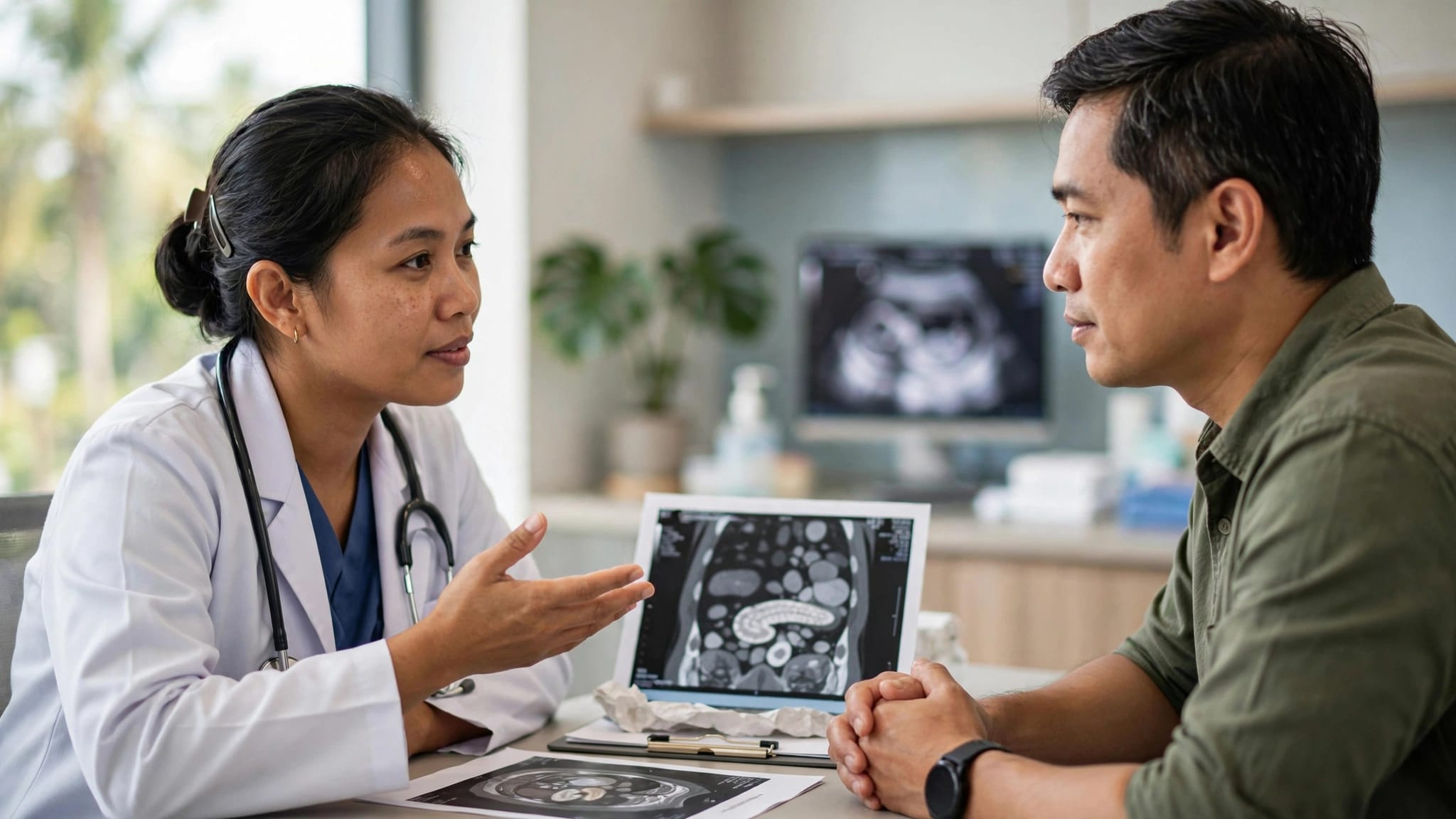
After an initial review, a urologist may recommend cystoscopy to examine the bladder.
Seek urgent medical advice if you pass heavy blood or clots, cannot urinate, or feel unwell with a fever. Bring a list of medicines and previous urine-test results to your consultation.
Risk factors are not a diagnosis
Smoking is the strongest modifiable risk factor. Long-term exposure to certain workplace chemicals, including aromatic amines used in some dye, rubber, leather, and chemical industries, can also raise that risk.
Other risk factors include age, previous pelvic radiotherapy, and long-standing bladder irritation. Still, people without obvious risk factors can develop the condition. There is no routine screening programme for people without symptoms, so doctors investigate when symptoms, scans, or follow-up findings call for it.
Bladder cancer cystoscopy Malaysia: preparing for the test
Your doctor may refer you to a urologist at a public or private hospital. Before the appointment, ask whether you’re having a flexible cystoscopy or a rigid cystoscopy, with possible tissue removal.
Tell the clinic about blood-thinning medicines, allergies, recent urine infections, and difficulty passing urine. Follow instructions about food, drinks, medicines, and getting home after the test. Don’t stop prescribed medication without advice from your treating team.

What happens during flexible cystoscopy
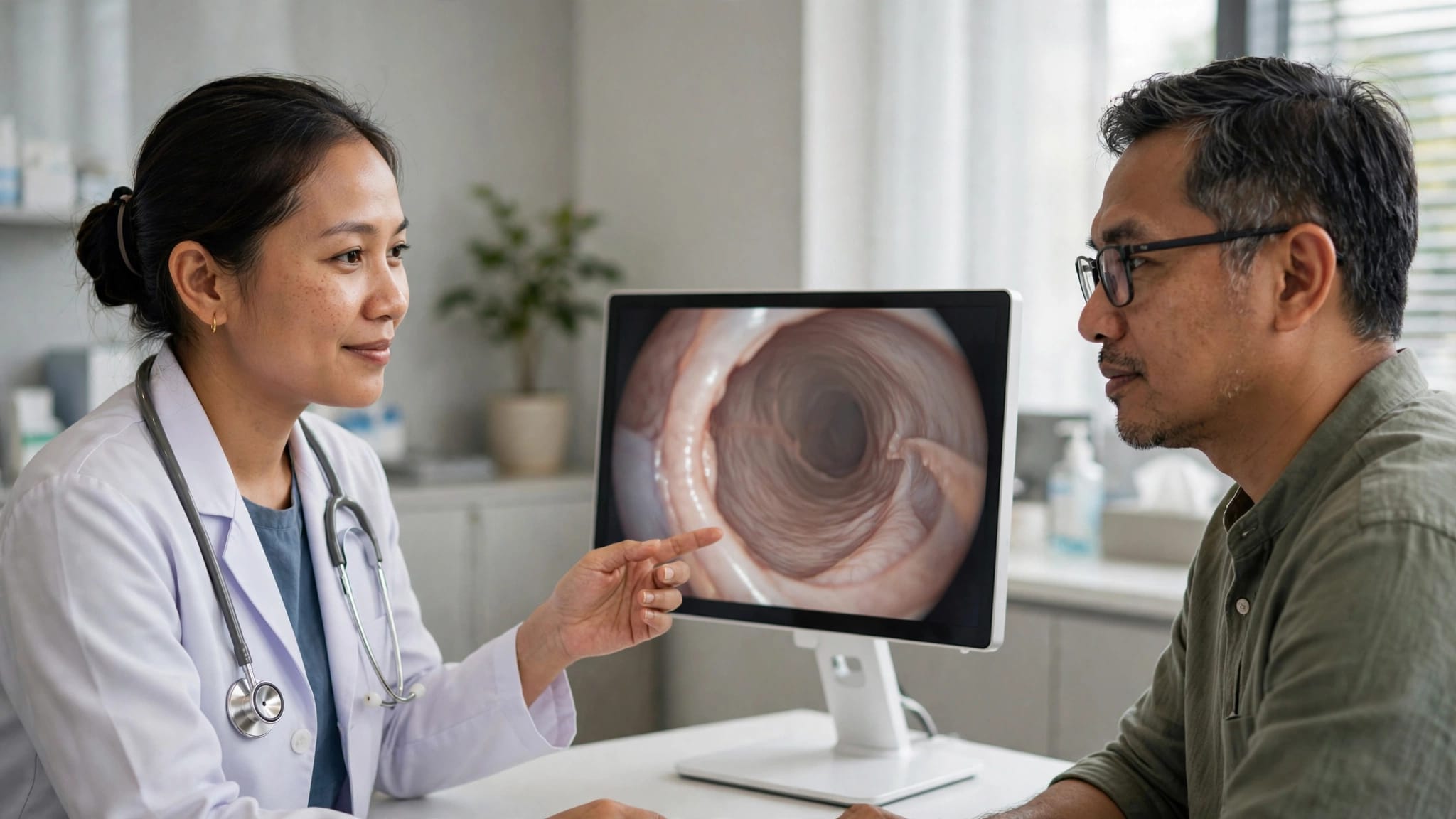
During flexible cystoscopy, the urologist applies anaesthetic gel to the urethra. A thin flexible camera then passes through the urethra into the bladder. The gel provides local anesthesia, and no skin incision is needed.
You remain awake, and the test usually takes only a short time. You may feel pressure or a strong urge to urinate. After flexible cystoscopy, mild burning, frequency, or a small amount of blood in your urine can happen. Contact your clinic promptly for worsening bleeding, fever, severe pain, or trouble passing urine.
The National Cancer Institute’s bladder cancer diagnosis guide explains why cystoscopy is used during diagnosis.
When rigid cystoscopy and TURBT are needed
If the urologist suspects bladder cancer after seeing a tumor on imaging, you may need this rigid procedure under anaesthesia. During rigid cystoscopy, the doctor can take a biopsy or remove the growth through the urethra.
This operation is called transurethral resection of bladder tumour, or TURBT. It can remove visible disease and gives the pathologist tissue to assess its type, grade, and depth. A temporary catheter may be used afterwards, and recovery differs from a visual inspection alone.
When comparing providers, confirm which procedure is planned, whether anaesthesia is involved, and how pathology results will be discussed. Ask what aftercare and discharge arrangements you should expect.
Tests after cystoscopy establish bladder cancer diagnosis and staging
A scan or camera image cannot confirm cancer alone
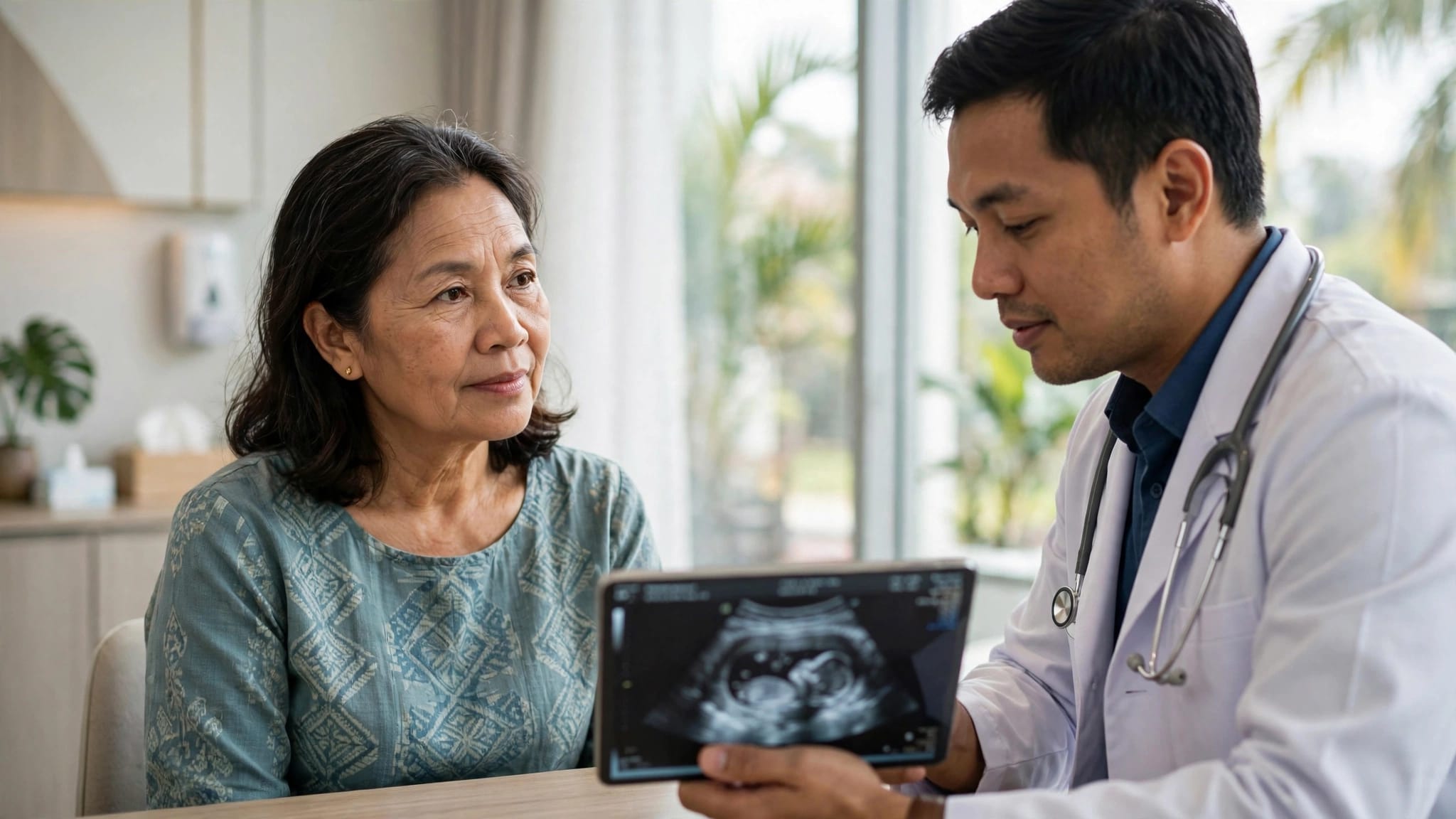
A cystoscopy can show an abnormal area, but a biopsy provides tissue for pathology. A bladder cancer pathology report confirms the diagnosis, identifies the tumor type and grade, and may report its depth of growth.
Urothelial carcinoma is the most common bladder cancer type. Less commonly, pathology may identify squamous cell carcinoma.
Your team may also arrange urine cytology, CT urography, CT scans, MRI scans, or other tests. These assess the upper urinary tract, lymph nodes, possible spread, and other parts of the urinary tract. The NHS explains how biopsies, scans, and cystoscopy fit into the next steps.
Urine cytology and imaging can support direct bladder inspection, but neither replaces inspection or pathology when cancer is suspected.
Cancer stages guide the treatment discussion
Your doctor combines pathology, scans, medical history, and overall health to determine the cancer stage. The TNM system describes tumour depth and lymph node involvement. It also records whether the disease has spread to other organs.
Non-muscle-invasive bladder cancer has not reached the bladder’s main muscle layer. It includes many Ta, T1, and carcinoma in situ cases. Muscle-invasive bladder cancer has reached the muscle layer and usually needs more intensive treatment planning.
The stage may be refined after tissue resection because the pathology report gives more detail than the initial cystoscopy view. Ask for a copy of the pathology report and scan summaries for your records.
Bladder cancer treatment options depend on stage
Non-muscle-invasive bladder cancer
TURBT is usually the first treatment for non-muscle-invasive disease. It can remove visible tumours, while pathology guides the next steps. After surgery, your urologist may recommend surveillance cystoscopy because bladder tumours can recur.
For some intermediate-risk or high-risk cases, medicine may be placed directly into the bladder through a catheter. Intravesical chemotherapy treats the bladder lining locally. BCG immunotherapy uses a weakened bacterium to stimulate an immune response in the bladder.
The right approach depends on tumour grade, number, size, previous tumour pattern, pathology findings, and your overall health. A multidisciplinary review may help confirm the risk group and treatment plan. Follow-up cystoscopy commonly begins about three months after surgery, although the schedule differs by risk group.
Complementary practices may help with comfort or stress when your clinical team approves them. They do not replace evidence-based cancer treatment, follow-up, or prescribed medication.
Muscle-invasive bladder cancer and advanced disease
For muscle-invasive bladder cancer, treatment often involves a urologist, medical oncologist, clinical oncologist, radiologist, and specialist nurses. The team reviews stage, pathology, biomarkers, overall health, and treatment availability.
For stage II or stage III disease, major options may include radical cystectomy. Selected patients may be offered bladder-preserving treatment with chemotherapy and radiotherapy.
Radical cystectomy removes the bladder and nearby lymph nodes, then creates a new way for urine to leave the body. Some patients receive chemotherapy before surgery, but suitability depends on kidney function, hearing, other medical conditions, and pathology findings.
The NCI’s treatment overview by bladder cancer stage outlines major treatment approaches for stage II and stage III disease.
For stage IV bladder cancer, options may include systemic chemotherapy, immunotherapy, targeted therapy for suitable biomarker findings, or combinations of these treatments. Radiotherapy may help control symptoms in selected cases. Your specialist will assess whether systemic immunotherapy is suitable after reviewing prior treatment, disease spread, scans, biomarkers, and local availability.
Preparing for treatment decisions in Malaysia

Questions to take to your oncology consultation
A caregiver can take notes or help you keep reports together. These are useful questions to ask an oncologist or urologist:
- What do my cystoscopy, pathology, and scan results show about tumour grade and staging?
- Is flexible cystoscopy sufficient, or is a rigid procedure planned?
- Do I need further imaging, urine cytology, biomarker testing, or further tissue sampling or biopsy?
- What is the proposed bladder cancer treatment plan, and why is it suitable for me?
- What are the practical effects of radical cystectomy, BCG, chemotherapy, immunotherapy, or radiotherapy, including catheter care?
- How often will I need cystoscopy and scans after treatment?
Ask for a written cancer treatment plan and an itemised quotation. Your cancer treatment cost may include consultation fees, cystoscopy, anaesthesia, pathology, imaging, surgery, ward charges, medicines, and follow-up care.
Hospital choice and a second opinion
Public and private cancer hospitals in Malaysia can differ in specialist availability, waiting times, technology, costs, and support services. A higher price or overseas treatment does not automatically mean a better outcome.
You may want a second opinion about your bladder cancer before major surgery, when pathology or stage is unclear, or when you need help understanding the diagnosis and treatment plan. Another specialist opinion may confirm the existing plan, clarify it, request further tests, or identify another medically appropriate approach.
For help organising pathology, CT, MRI, PET-CT, and treatment records for a review enquiry, Explore Medical Report Review Support. MediGoMy can assist with document preparation and coordination, while cancer diagnosis and treatment recommendations remain with qualified healthcare professionals.
Why bladder cancer prognosis and survival rate figures are not your personal forecast
Bladder cancer statistics can be worrying, but a crude mortality rate or population survival rate cannot predict your outcome. These figures reflect population age, staging at diagnosis, tumor biology, treatment access, and recording practices.
In Malaysia, a Malaysian National Cancer Registry analysis examined factors such as age, tumour morphology, and surgery in patient outcomes. Your prognosis depends on pathology, treatment response, overall health, access to care, and your treating team’s care plan.
Frequently Asked Questions
Does blood in my urine mean I have bladder cancer?
No. Urinary bleeding can have several causes, including infection, stones, or an enlarged prostate, but it still needs medical assessment. A doctor may recommend urine tests, imaging, cystoscopy, or other investigations to identify the cause.
Can cystoscopy confirm bladder cancer?
Cystoscopy allows a urologist to inspect the bladder lining and identify suspicious areas. A biopsy or tissue removed during TURBT must be examined by a pathologist before bladder cancer can be confirmed.
What is the difference between flexible and rigid cystoscopy?
Flexible cystoscopy usually uses anaesthetic gel while you remain awake, and it is commonly used for visual inspection. Rigid cystoscopy is performed under anaesthesia and may allow the urologist to take a biopsy or remove a tumour through the urethra.
What happens after a bladder tumour is found?
Your team may arrange TURBT, pathology, urine cytology, and scans to establish the tumour type, grade, and stage. The results guide whether you need surveillance, treatment placed into the bladder, surgery, systemic treatment, radiotherapy, or a combination of approaches.
How should I prepare for bladder cancer care in Malaysia?
Bring your medication list, previous test results, scans, and pathology reports, and ask whether anaesthesia or tissue removal is planned. You can also request an itemised quotation, a written treatment plan, and a second opinion before major treatment decisions.
The next step is a clear diagnosis
Blood in urine requires medical assessment, but it does not automatically mean bladder cancer. Cystoscopy, imaging, tissue resection, and pathology help your team reach a clearer diagnosis and discuss the next steps.
If you’re looking up bladder cancer cystoscopy Malaysia for yourself or someone close to you, focus on gathering the right records and asking direct questions. Understand the proposed plan before making major decisions, and seek advice from a qualified healthcare professional rather than relying on online self-diagnosis.
Medical disclaimer: This article is for general educational information only. It may not apply to every patient and is not medical advice, a diagnosis, or a treatment recommendation. Consult your own doctor, urologist, oncologist, or other qualified healthcare professional before making medical decisions.