A breast cancer diagnosis can make every next step feel urgent. Breast cancer screening can support early detection, but symptoms or a diagnosis still require clinical assessment. Yet a clear plan, a trusted cancer specialist, and realistic preparation can help you feel more steady.
If you are researching breast cancer chemotherapy Malaysia, you may be preparing for your own care or helping someone close to you. Chemotherapy is one part of an overall care plan, and your oncologist will match it to the cancer’s biology, stage, and your health. You may also compare hospitals and healthcare networks, including IHH Healthcare Malaysia, based on your needs and preferences.
Quick Answer
Chemotherapy for breast cancer uses anti-cancer medicines to destroy or control cancer cells. In Malaysia, it is commonly given in cycles at public hospitals, private cancer hospitals, and oncology centres. A cycle often lasts two or three weeks, although the schedule depends on the drug regimen.
For early breast cancer, chemotherapy may be given before surgery as neoadjuvant chemotherapy or after surgery as adjuvant chemotherapy. Some patients also receive radiation therapy as part of a broader sequence of care. Many people have four to eight cycles over roughly three to six months. Metastatic breast cancer may require treatment for longer, with changes based on scans, side effects, and response.
Your chemotherapy plan should be based on the cancer subtype, cancer stage, scans, biopsy results, pathology report, biomarkers, genetic testing, medical history, hospital availability, and your oncologist’s assessment.
Key Takeaways
- Chemotherapy is not needed for every breast cancer diagnosis.
- Your tumour’s estrogen receptor, progesterone receptor, and HER2 status help guide treatment choices.
- Private chemotherapy costs often start around RM4,000 to RM6,000 per cycle, but medicines and hospital charges can change the total substantially.
- Patients considering IHH Healthcare Malaysia should request a current, patient-specific estimate.
- Breast cancer screening can support prevention planning and timely assessment.
- Side effects are common, but your oncology team can prevent or reduce many of them.
- A second opinion can help you confirm a cancer treatment plan before starting, especially when treatment decisions are complex.
Breast Cancer Chemotherapy Malaysia: The Clinical Path
Before discussing chemotherapy, your care team needs a clear cancer diagnosis. A breast lump, skin dimpling, nipple changes, unusual discharge, or persistent breast discomfort should be assessed promptly. These symptoms do not confirm cancer, but they need medical review. The breast cancer symptoms and treatment overview from SJMC, published by Subang Jaya Medical Centre, part of IHH Healthcare Malaysia, outlines common warning signs and relevant tests.
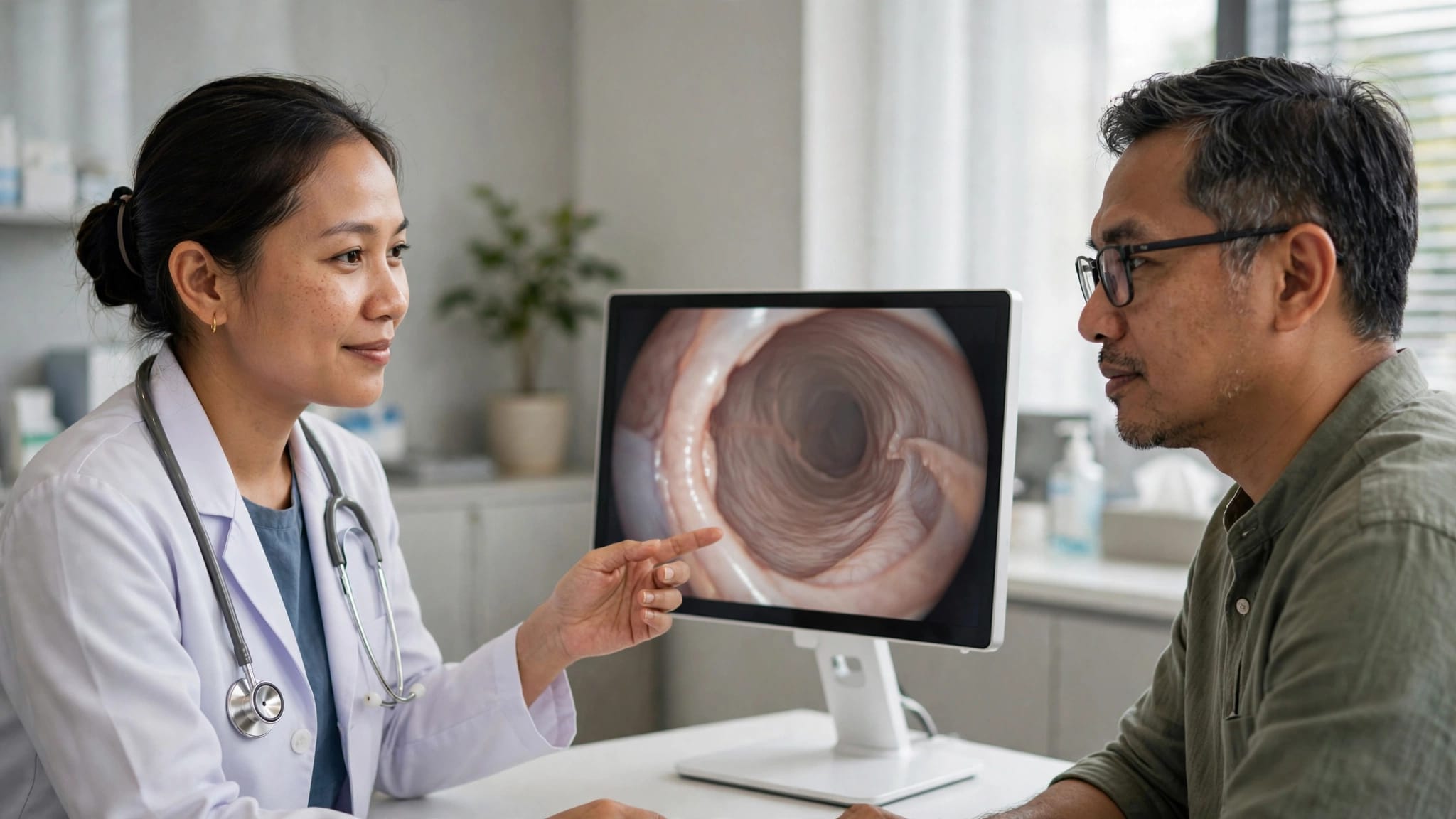
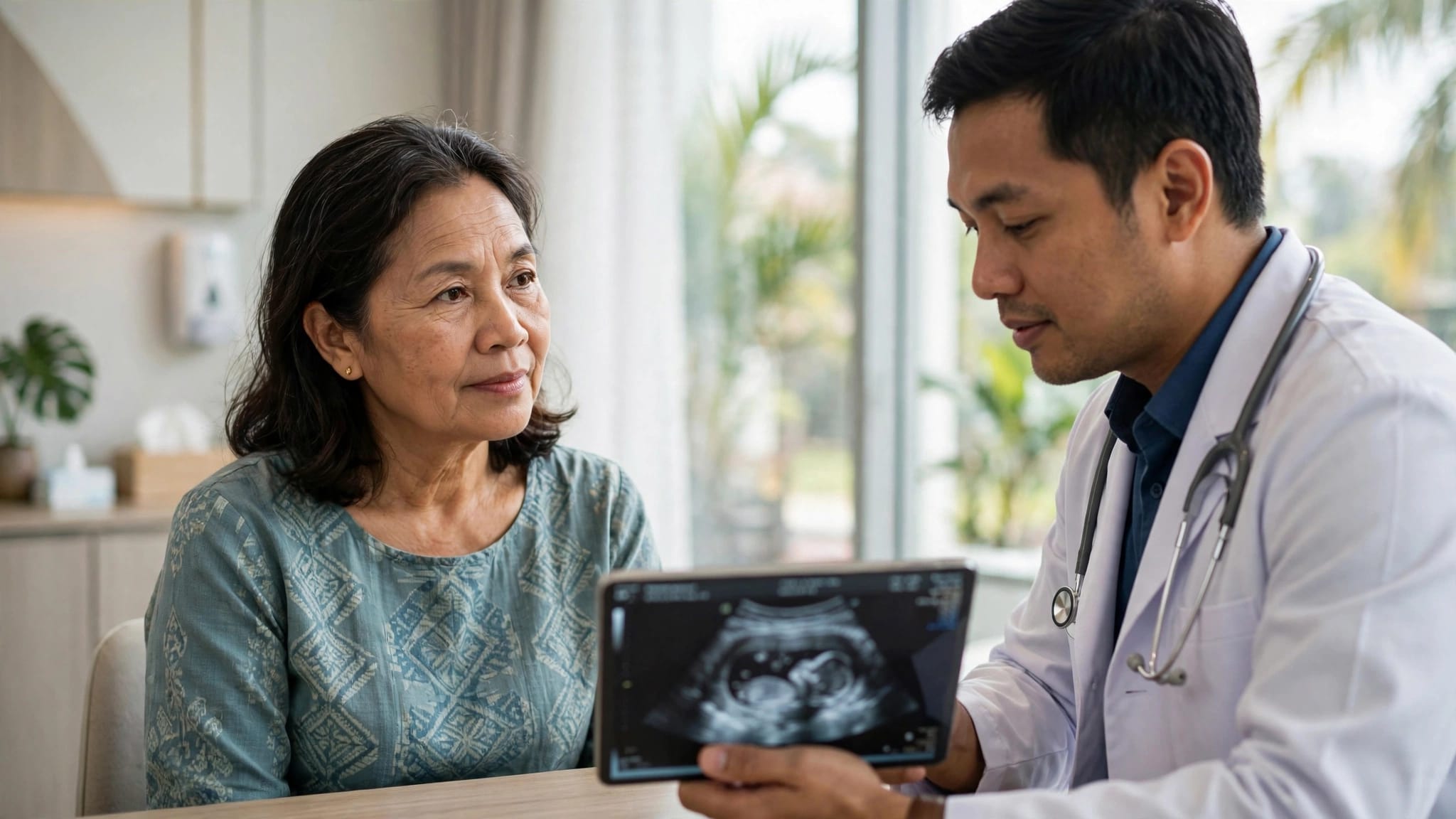
Diagnosis usually starts with a clinical examination and breast imaging. Breast cancer screening is for people without symptoms, while diagnostic assessment investigates a specific concern. Imaging may include a mammogram, ultrasound, or MRI when more detail is needed. A biopsy confirms whether a suspicious area is malignant and identifies the tumor type.
Your pathology report also shows important biomarkers. These include estrogen receptor status, progesterone receptor status, and HER2 status. Some patients may need genetic testing, particularly with a strong family history or a diagnosis at a young age.
Cancer stages describe tumor size, involvement of nearby lymph nodes, and whether cancer has spread elsewhere. Depending on the situation, your doctor may request CT, MRI, bone, or PET scans for staging. Not everyone needs every scan.

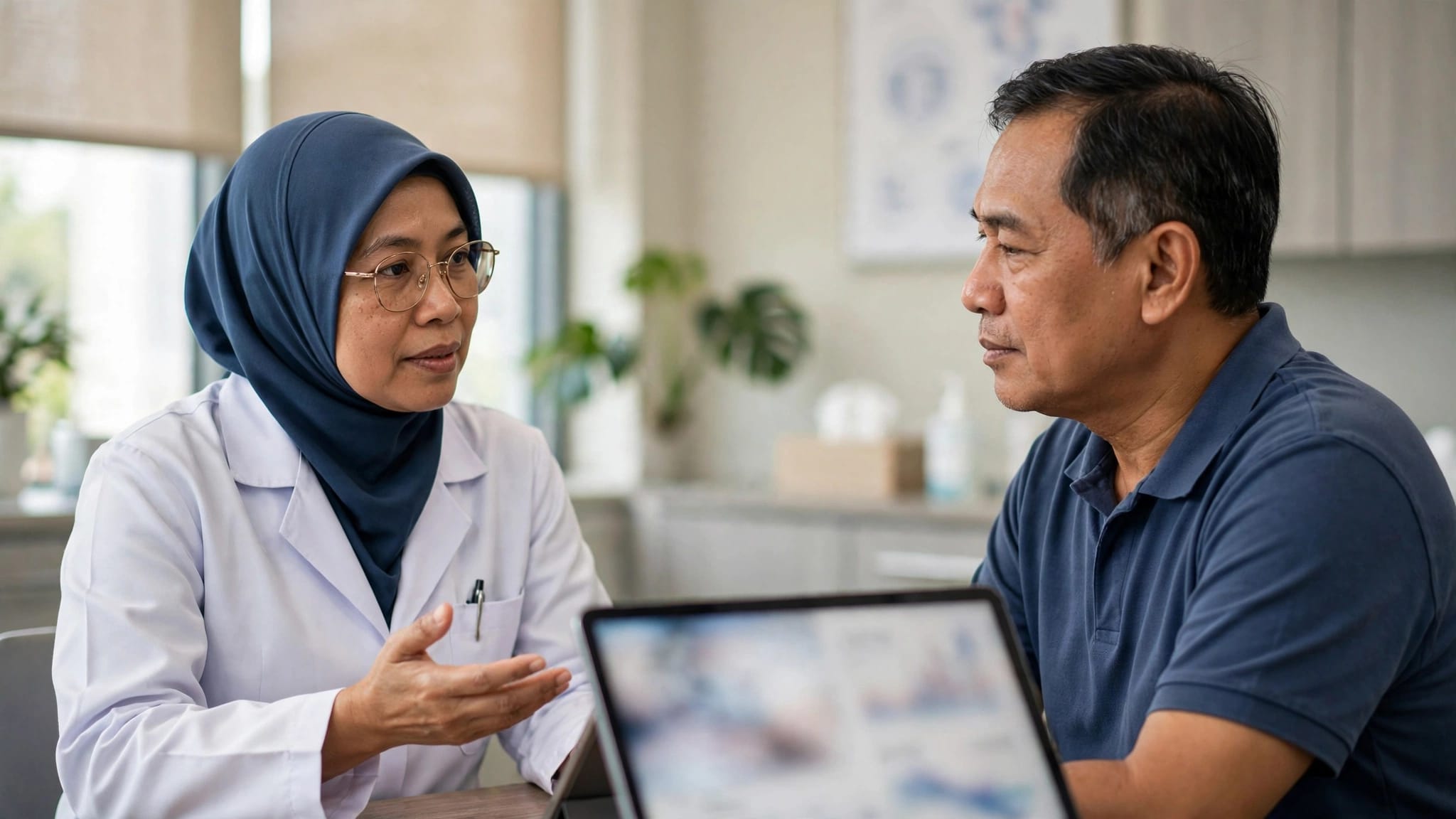
A multidisciplinary team often reviews these results together. The group may include a breast surgeon, medical oncologist, radiation oncologist, radiologist, pathologist, breast care nurse, and rehabilitation professionals. This approach connects pathology, imaging, biomarkers, and your preferences. It helps match care to your case rather than using a one-size-fits-all plan.
Neoadjuvant and Adjuvant Chemotherapy
Neoadjuvant chemotherapy happens before surgery. It may shrink a larger tumor, make breast-conserving surgery more feasible, or show how the cancer responds to medicines. It is often considered for certain HER2-positive or triple-negative breast cancers.
Adjuvant chemotherapy starts after breast-conserving surgery or mastectomy. Its purpose is to treat cancer cells that may remain elsewhere in the body but cannot be seen on scans. For some early, hormone receptor-positive cancers, your oncologist may use a genomic assay such as Oncotype DX testing in Malaysia to weigh the likely benefit of chemotherapy against possible side effects.
For metastatic breast cancer, chemotherapy may help control disease, relieve symptoms, or slow progression. Treatment often continues until side effects become difficult, the cancer changes, or another option becomes more suitable.
What Chemotherapy Appointments Usually Involve
Chemotherapy may be given through a vein at an oncology day-care unit. Before treatment, the team reviews your symptoms, blood results, and treatment plan. They may use an IV cannula for each visit or access a port placed under the skin. Some medicines are tablets taken at home.
Before each cycle, you will usually have a blood test. The team checks your white blood cells, platelets, kidney function, and liver function before treatment. Tell the nurse or doctor about fever, cough, diarrhoea, mouth ulcers, numbness, or new pain. If your results are suitable, you may receive premedication before the infusion.
An oncology consultation should also cover practical matters. Ask how long the appointment will take, whether you need someone to drive you home, and which medicines to bring. If you attend an IHH Healthcare Malaysia centre, check its day-care facilities, transport arrangements, and emergency contact procedures with the relevant team. Many people can eat a light meal beforehand unless their team gives different instructions. After the infusion, staff may observe you briefly and provide instructions about medicines, fluids, and symptoms to report.
Chemotherapy medicines vary. Combinations used for chemotherapy for breast cancer depend on your cancer subtype and treatment plan. You don’t need to memorise drug names. However, you should know the planned number of cycles, the interval between them, and why your oncologist selected the regimen.
Side Effects of Chemotherapy and Everyday Support
Chemotherapy affects fast-growing healthy cells as well as cancer cells. Common symptoms include tiredness, nausea, hair loss, taste changes, mouth sores, constipation, diarrhoea, and lowered blood counts. Your experience may differ widely from another patient’s, even on the same treatment.
Know when to call: Some treatment reactions need urgent attention. Follow your oncology team’s emergency instructions and contact them immediately if you develop a fever of 38 degrees Celsius or higher, chills, breathing difficulty, uncontrolled vomiting, sudden confusion, or heavy bleeding. Low white blood cells can make an infection serious quickly.
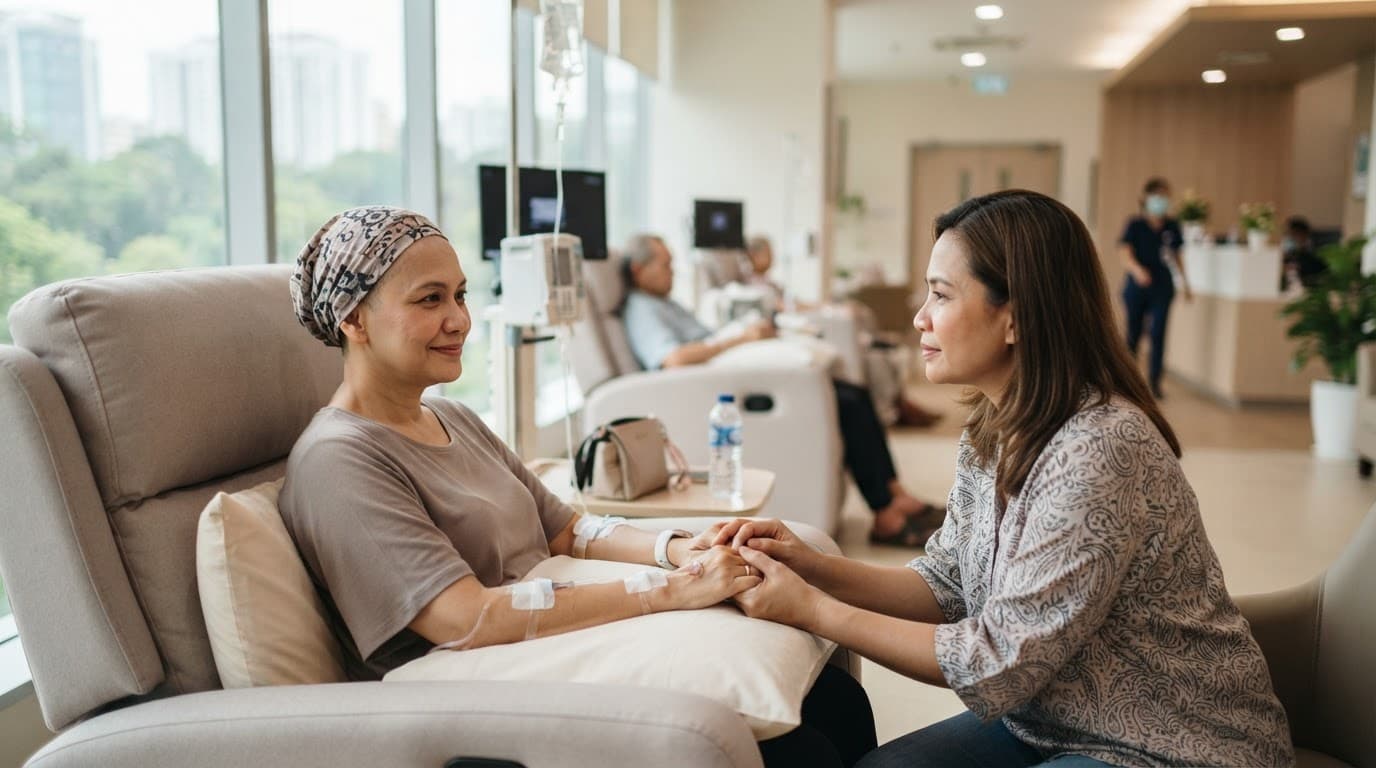
Managing fatigue: Tiredness often builds over several cycles. Plan fewer commitments for the days after treatment and accept help with meals, school runs, or household tasks. Gentle activity may support energy and sleep, if your doctor permits it.
Caring for your hair: Hair loss can be distressing, but it depends on your regimen and is often temporary. Some people choose a scarf, wig, or shorter haircut before shedding begins. Ask whether scalp cooling is available and suitable for your regimen.
Supporting sleep: Anxiety, steroid medicines, pain, or an altered routine can disrupt sleep. General tips for better sleep health may help, but check with your medical team before trying supplements or herbal remedies. Some products can interfere with chemotherapy or increase bleeding risk.
Planning for longer-term concerns: These can include numbness in your hands and feet, early menopause, fertility changes, heart effects from selected drugs, or memory and concentration difficulties. Discuss fertility preservation before treatment begins if future pregnancy matters to you.
How Surgery, Radiotherapy, and Other Treatments Fit Together
Chemotherapy is often part of an overall care plan. Surgery may involve a lumpectomy, which removes the tumour and surrounding tissue, or a mastectomy, which removes the breast. A sentinel lymph node biopsy may be done during surgery to check whether cancer cells have reached nearby lymph nodes.
Radiation therapy, also called radiotherapy, often follows breast-conserving surgery. It may also be recommended after breast removal surgery in some situations. Its goal is local control in the breast or chest wall and nearby lymph nodes.
Some Malaysian cancer centres offer techniques such as deep inspiration breath hold, or DIBH, for left-sided breast radiation. During a controlled deep breath, the heart moves farther from the treatment field. Intraoperative radiation therapy, or IORT, gives radiation during surgery for selected patients, but it is not suitable for every tumour.
Systemic treatment may continue after chemotherapy. Hormone therapy is commonly used for hormone receptor-positive breast cancer, while HER2-positive disease may call for targeted therapies. Immunotherapy may be considered for certain triple-negative cancers, depending on the subtype and clinical circumstances.
A BRCA gene mutation can affect family risk counselling, surgical choices, and some systemic treatment discussions. It does not automatically mean chemotherapy is required. Your cancer specialist can explain whether genetic counselling or a medical report review is appropriate. If considering IHH Healthcare Malaysia, verify which DIBH, IORT, surgical, or systemic services are available at your specific centre.
Cancer Treatment Cost and Financial Planning in Malaysia
The cancer treatment cost depends on your regimen, hospital setting, medicines, laboratory tests, doctor fees, imaging, anti-nausea drugs, growth-factor injections, and admission needs. Costs also vary by drug brand, dosage, insurance, and treatment setting. Do not rely on a headline figure when comparing cancer hospitals.
Published private-sector estimates often place chemotherapy at about RM4,000 to RM6,000 per cycle. Onco Life Centre’s published breast cancer cost guide uses this range, but newer medicines and targeted therapy can raise costs sharply. Check the publication date and assumptions before using the estimate.
Use these figures as planning prompts, not a quotation.
| Cost area | What can affect the amount |
|---|---|
| Chemotherapy medicines | Drug type, dosage, number of cycles, generic or branded medicines |
| Day-care treatment | Infusion charges, nursing care, consumables, pharmacy fees |
| Professional fees | Oncologist consultations, treatment planning, and medical reviews |
| Tests and scans | Blood tests, tumour monitoring, CT, MRI, or PET scans when needed |
| Supportive care | Anti-nausea drugs, injections for low blood counts, dietitian support |
| Other treatment | Surgery, radiation therapy, hormone therapy, targeted therapy, reconstruction |
A four-to-eight-cycle course at RM4,000 to RM6,000 per cycle suggests roughly RM16,000 to RM48,000 for chemotherapy alone. Yet the total breast cancer treatment bill can be much higher. A broader Malaysian cost estimate includes surgery, radiotherapy, and other treatments.
Ask the relevant private facility, including IHH Healthcare Malaysia, for a current written quotation. Costs can vary between hospitals and regimens. Request separate figures for medicines, professional fees, and facility charges. Confirm whether each item is an estimate, a package, or a charge that may change after treatment starts.
If you have medical insurance, contact the insurer before admission or treatment. Ask about pre-authorisation, annual limits, co-payment, panel hospitals, and coverage for outpatient chemotherapy. Public hospitals may offer lower charges for eligible Malaysians, although appointment timing and medicine availability can differ.
Financial toxicity can affect treatment decisions and family life. A Malaysian study on cancer-related financial impact describes how medicine costs, travel, lost income, and informal borrowing can add to the burden. Raise affordability early, since your team may know about hospital welfare funds, payment arrangements, or support groups.

Choosing a Cancer Hospital and Seeking a Second Opinion
When comparing cancer hospitals, look beyond the room type or headline price. Ask whether the centre offers breast surgery, medical oncology, radiotherapy, pathology, imaging, day-care treatment, emergency access, rehabilitation, clinical coordination, and financial counselling.
Private centres may offer faster appointment access, while public hospitals provide specialist cancer care for many Malaysians at subsidised rates. For hospitals in the IHH Healthcare Malaysia network, verify current services, costs, and appointment availability directly with each facility. A comparison of Malaysian cancer hospitals can help you create a shortlist, but check the details yourself.
A cancer second opinion is reasonable if the diagnosis is uncertain, the pathology is unusual, surgery choices are difficult, or you are considering advanced cancer treatment. You may request a second opinion through an IHH Healthcare Malaysia facility or another qualified centre. It can also help review your treatment plan before you commit to a costly regimen.
Bring your biopsy slides if requested, pathology report, scan images and reports, blood results, treatment summary, and insurance details. If you are considering overseas cancer treatment, an overseas specialist may ask you to submit medical reports for review. An overseas or local second opinion does not replace urgent care or your treating doctor’s advice.
Questions to Ask Your Oncologist
- What is my breast cancer subtype, stage, and treatment goal?
- Why do you recommend chemotherapy for me, and what alternatives should I consider?
- Is treatment planned before or after surgery, and how many cycles are expected?
- Would breast-conserving surgery or mastectomy be suitable for me?
- Which side effects require an urgent call or a visit to the emergency department?
- Will I need radiation therapy, hormone therapy, targeted therapies, or genetic testing?
- Am I eligible for clinical trials?
- What are the estimated out-of-pocket costs, including medicines and supportive care?
- Can I get a written summary of my treatment plan and a pathology report review?
Moving Forward With a Clearer Plan
Chemotherapy for breast cancer can involve many appointments and decisions, but you don’t need to manage every detail alone. Request your treatment plan in writing, and ask how chemotherapy fits with radiation therapy, hormone therapy, or other treatments.
Keep pathology and scan reports organised, and bring someone you trust to key consultations. Ask about the order and timing of treatments, expected costs, and which symptoms mean you should call the oncology team.
The best plan is personalized cancer treatment shaped by your cancer biology, health needs, preferences, and practical circumstances. Keep follow-up appointments and report new or persistent symptoms, including concerns related to cancer recurrence, promptly.
Frequently Asked Questions
How long does chemotherapy for breast cancer last?
For early breast cancer, chemotherapy commonly lasts about three to six months. Many regimens involve four to eight cycles, often every two or three weeks. Your schedule may change if blood counts are low, side effects need treatment, or your oncologist adjusts the medicines.
Will I experience hair loss during chemotherapy?
Hair changes depend on the drugs and dose. Some common regimens cause significant hair thinning, while others may not. Your oncology team can explain what to expect and discuss wigs, scarves, or scalp cooling where appropriate.
What may follow chemotherapy?
What follows depends on the tumour subtype, surgery, pathology results, and your overall treatment plan. Some people may receive radiation therapy, hormone therapy, both, or neither. Your oncology team can explain how these options apply to your care.
Can I work during chemotherapy?
Some people work between treatment cycles, often with reduced hours or flexible arrangements. However, fatigue, infection risk, travel time, and appointment schedules can make full-time work difficult. Speak with your employer only when you feel ready, and ask your doctor for medical documentation if needed.
Is a BRCA test needed for every patient?
No. Genetic testing is usually recommended when your personal or family history suggests an inherited risk, or when results could affect treatment decisions. A genetic counsellor or oncologist can explain what the result may mean for you and close relatives.
Medical Disclaimer
This article is for general education only. Information may become outdated or may not apply to every patient. It is not medical advice, a diagnosis, or a treatment recommendation.
Speak with your own doctor, oncologist, or qualified healthcare professional before making any medical decision. Seek urgent medical care in an emergency. SureLah does not take responsibility for medical decisions, treatment outcomes, doctor recommendations, hospital decisions, or actions based on this article.