A breast change does not always mean cancer, but waiting for it to become painful can delay an important check. Many breast cancers cause no pain in the early stages, so early detection is vital because it significantly improves survival rates. A new lump, skin change, or nipple change deserves medical attention even when you feel otherwise well.
For Malaysian women, breast cancer symptoms can be easy to dismiss as hormonal changes, breastfeeding effects, ageing, or stress. However, a doctor can assess the change properly and arrange tests if needed.
Quick Answer: You should speak with a doctor if you notice a lump in the breast or underarm, nipple discharge that is not breast milk, skin dimpling, a change in breast shape, persistent nipple changes, or unexplained swelling. Most changes are not cancer, but only an examination and appropriate tests can clarify the cause.
Key Takeaways
- Discovering a new lump in the breast is a common breast cancer symptom, but the disease can also cause changes to the skin, nipple, breast shape, or underarm area.
- Early detection through regular breast self-examination is crucial for Malaysian women, as it allows for the identification of potential changes at an earlier stage.
- Breast pain alone is less commonly linked to cancer, yet persistent or focused pain still deserves a medical review.
- A breast examination, mammogram, ultrasound, MRI scan, or biopsy may help confirm a cancer diagnosis.
- Your cancer treatment options depend on the cancer stage, pathology report, biomarkers, genetics, overall health, and oncologist assessment.
- A cancer second opinion can help you understand a proposed breast cancer treatment plan before you make major decisions.
Breast Changes You Shouldn’t Ignore
Your breasts can naturally change across the menstrual cycle, during pregnancy, while breastfeeding, and after menopause. Still, a change that is new, persistent, or clearly different from your usual pattern should be assessed.
A lump in the breast may feel firm, hard, irregular, or fixed in place. However, some cancerous lumps can feel smooth or move slightly under the skin. You cannot reliably judge a lump by touch alone.
You should arrange an oncology consultation or GP appointment if you notice any of these cancer symptoms:
- A new lump or thickened area in the breast, collarbone area, or armpit
- Changes in breast size, making one breast look larger, lower, or fuller without a clear reason
- Dimpling of breast skin, puckering, thickening, redness, or an orange peel skin texture
- A nipple that turns inward when it was previously outward
- A persistent scaly, flaky, sore, or rash-like change around the nipple
- Blood-stained, clear, or spontaneous nipple discharge when you are not breastfeeding
- Swelling in part or all of one breast
- A lump or armpit swelling
- Breast pain that stays in one spot and does not settle
Changes may come from benign causes such as cysts, fibroadenomas, infections, hormonal shifts, or injured breast tissue. Even so, a medical review is the right next step when something feels unfamiliar.
A breast change is worth checking because you know what is normal for your body better than anyone else.
Try not to wait for a symptom to become severe. Early appointments often provide reassurance, and if further care is needed, you can begin planning sooner. Performing a regular breast self-examination helps women notice these changes early.
A Breast Lump Is Important, but It Isn’t the Only Sign
Public awareness often focuses on the breast lump. While lumps matter, some women with breast cancer first notice a change in appearance or skin texture instead.
For example, dimpling of breast skin can happen when a tumour affects tissue beneath the skin. The breast may look pulled inward at one area, especially when you raise your arms. A doctor may ask you to lift your arms or lean forward during an examination because these positions can make subtle contour changes easier to see.
Nipple changes also need careful attention. A nipple that has always pointed inward is usually less concerning than nipple retraction. Likewise, dry skin can come from irritation, but a persistent rash or crusting around one nipple needs assessment.
Inflammatory breast cancer is uncommon, but it can cause fast swelling, redness, warmth, tenderness, and thickened skin. Inflammatory breast cancer may not begin with a distinct lump. If one breast changes quickly over days or weeks, especially with redness or swelling, seek prompt medical attention.
Armpit swelling can also matter because lymph nodes sit in this area. Swollen lymph nodes can occur during infections or after vaccination, so swelling is not automatically a cancer sign. However, a lump that persists should be examined.
When Breast Pain Needs a Medical Review
Breast pain is common and can be uncomfortable, especially before a period. Hormonal breast pain often affects both breasts and may improve after menstruation begins. Tight bras, cysts, medication, muscle strain, and chest-wall pain can also contribute to this discomfort.
Pain alone is not usually a typical breast cancer symptom. However, you should still discuss pain with a doctor if it:
- involves persistent breast pain that stays in one spot
- lasts for several weeks
- becomes worse over time
- occurs with a lump in the breast, discharge, skin change, or swelling
- appears after menopause without an obvious cause
Don’t assume pain has a harmless explanation because you are young. Breast cancer is more common with increasing age, but younger women can also develop it.
If you are breastfeeding, blocked ducts and mastitis can cause redness, pain, fever, and a tender lump. These symptoms need medical care too. If treatment for an infection doesn’t improve the breast change as expected, return for further review to rule out more serious conditions associated with persistent breast pain.
What Happens During a Breast Cancer Diagnosis
A doctor usually starts by asking when you first noticed the change, whether it has shifted over time, and whether breast or ovarian cancer runs in your family. They may also ask about your menstrual history, pregnancies, use of hormone replacement therapy, previous breast biopsies, and current medications.
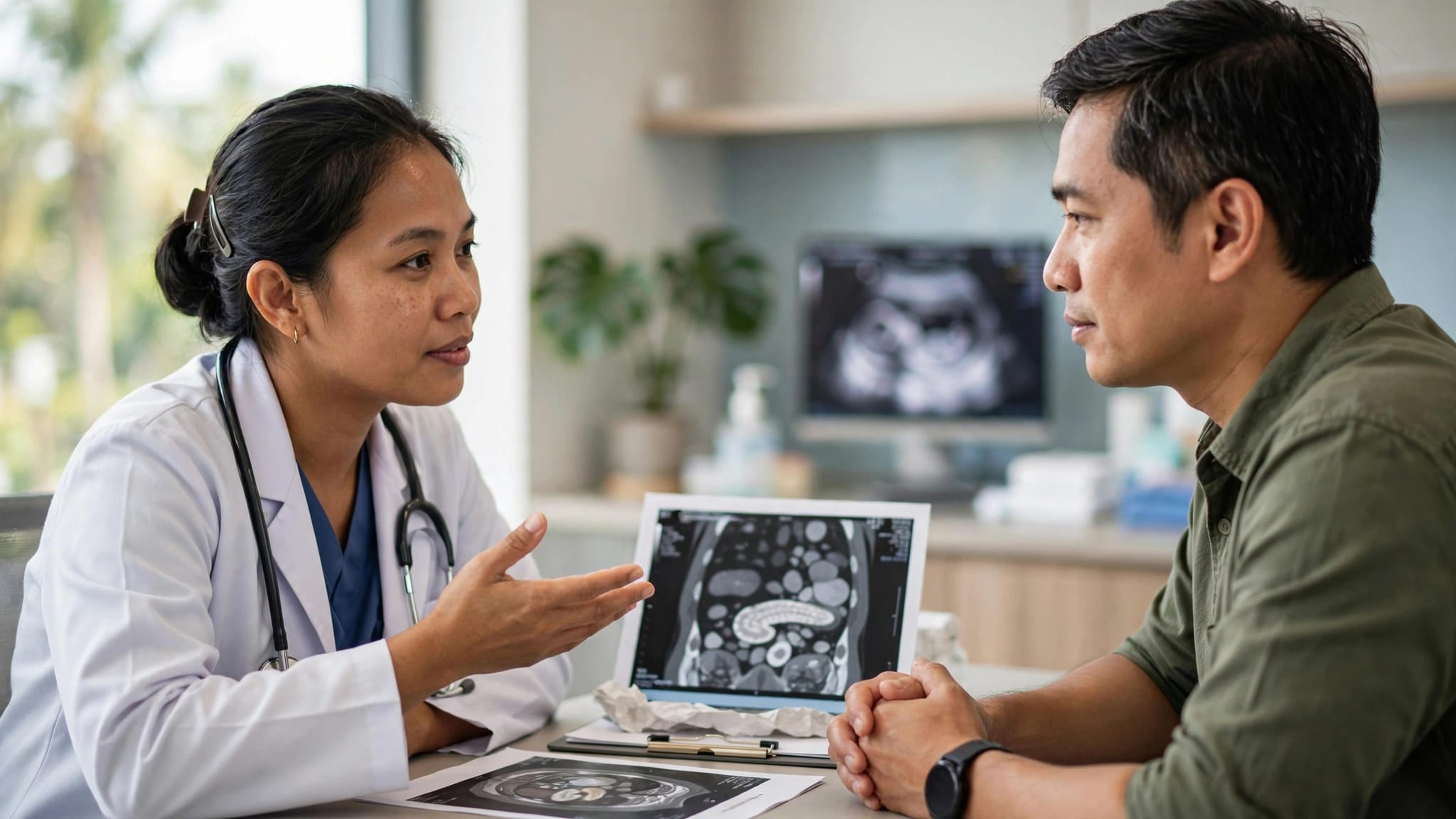
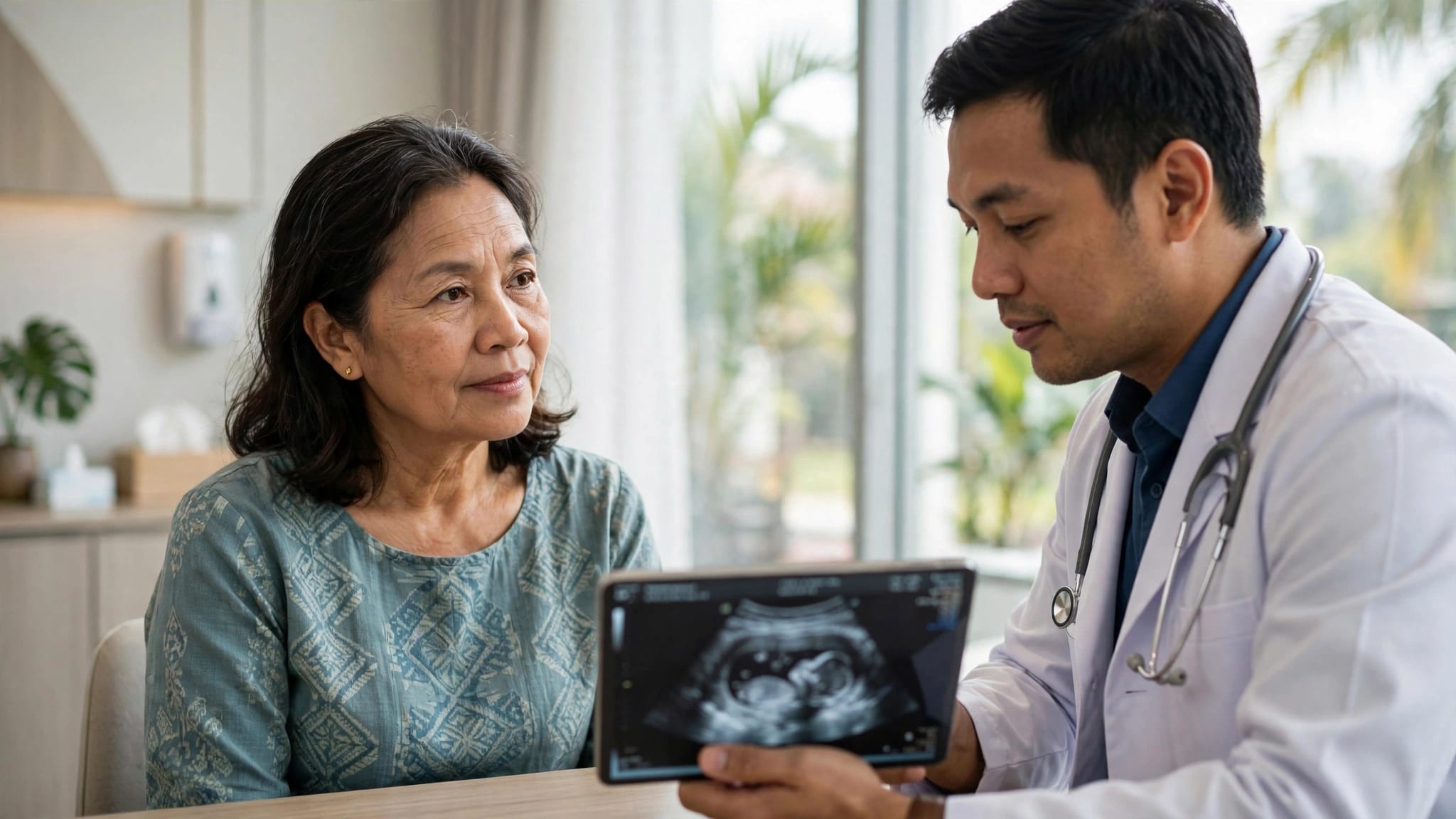
Next, they will perform a clinical breast examination of both breasts, the nipples, and the lymph node areas around the armpit and collarbone. If they find something that needs investigation, they may refer you to a breast surgeon, radiologist, or cancer specialist. These diagnostic steps are often part of a process known as a triple assessment.
Tests can include:
| Test | What it may help assess |
|---|---|
| Mammogram screening | Breast tissue changes, masses, and calcifications |
| Ultrasound | Whether a lump is solid or fluid-filled |
| MRI scan for cancer | The extent of certain breast abnormalities |
| Biopsy procedure | Whether cells are cancerous and their characteristics |
| CT scan for cancer or PET scan for cancer | Whether cancer may have spread beyond the breast |
A mammogram screening is an X-ray of the breast that can detect some changes before you can feel them. However, dense breast tissue can make these images harder to interpret, especially in younger women, so your doctor may pair it with an ultrasound.
A biopsy procedure provides the clearest answer when imaging finds a suspicious area. During a needle biopsy, a clinician removes a small tissue sample for a laboratory to examine. The pathology report review may identify the cancer type, grade, hormone receptor status, HER2 status, and other details that affect treatment choices.
You may also hear about biomarker testing, testing for genetic mutations BRCA1 and other inherited risks, or a tumour marker test. These tests have different purposes. Biomarker testing looks at features of the tumour itself. Testing for inherited genetic mutations may be considered when your personal or family history suggests a higher risk. A tumour marker test does not replace breast imaging or a biopsy.
Understanding Cancer Stages Without Guesswork
The staging of cancer describes the size of the tumour, whether lymph nodes contain cancer cells, and whether cancer has spread elsewhere. Your doctor may use the TNM system, which considers the primary tumour, nearby nodes, and metastasis.
Breast cancer stages usually range from stage 0 to stage 4. Stage 0 refers to non-invasive disease, such as ductal carcinoma in situ. Stages 1 to 3 describe invasive cancer that has not spread to distant organs, although the size and lymph node involvement differ. Stage 4 indicates metastatic breast cancer, meaning the disease has spread to distant parts of the body. Throughout this process, your diagnosis may also involve checking for secondary breast cancer in other organs to determine the full extent of the condition.
Cancer stages do not tell the whole story. Two people with the same stage can have different tumour biology, treatment needs, and overall health. That is why your oncologist reviews the scan results, biopsy findings, pathology report, biomarkers, medical history, and treatment availability before recommending care.
Ask for copies of your imaging reports, biopsy report, and treatment summary. Keeping these records organised makes a future medical report review or cancer second opinion easier.
Breast Cancer Treatment Options Depend on Your Results
After a cancer diagnosis, you may feel pressure to make decisions quickly. Some cases need prompt treatment, but you should still understand the reason for each recommendation before consenting.
Breast cancer treatment commonly includes one or more of the following:
- Surgical mastectomy, which may remove the tumour only or the whole breast, depending on the cancer and your preferences.
- Radiotherapy sessions, which target the breast, chest wall, or nearby lymph nodes after surgery in selected cases.
- Chemotherapy treatment, which uses medicines to destroy or control rapidly dividing cancer cells.
- Hormone therapy, which can help treat hormone receptor-positive breast cancer.
- Targeted drug therapy, which targets features such as HER2 in suitable cancers.
- Immunotherapy, which may be considered for certain types and stages of breast cancer.
Some people have treatment before surgery, called neoadjuvant treatment. This can shrink a tumour and help doctors assess how it responds. Others have surgery first, then receive chemotherapy treatment, radiotherapy sessions, hormone therapy, or targeted drug therapy afterwards.
For early breast cancer, surgery and radiotherapy sessions are often central parts of care. A surgical mastectomy may be advised in some situations, but breast-conserving surgery may be possible for others. Your surgical team can explain reconstruction options, timing, recovery, and whether lymph node surgery is needed.
For advanced cancer treatment, the plan may focus on controlling disease, reducing symptoms, and protecting daily function. Your oncologist may discuss newer medicines, clinical trials, or treatment at another cancer hospital where appropriate.
You may see terms such as proton therapy, CyberKnife treatment, brachytherapy, or precision oncology online. These approaches are not automatically suitable for breast cancer. Equipment alone should never drive your decision. Suitability depends on your cancer type, stage, scans, biopsy results, pathology report, biomarkers, genetic testing, medical history, hospital availability, and oncologist assessment.
Questions to Ask During Your Oncology Consultation
Bring a family member or trusted friend if you can. They can take notes while you focus on the discussion. You can also ask permission to record key explanations on your phone.
These questions can help you understand your cancer treatment plan:
- What type of breast cancer do I have, and what is the staging of cancer?
- What do my pathology report, hormone receptor-positive status, HER2 result, and biomarkers mean?
- Do I need more scans, genetic testing, or a review of my biopsy procedure?
- What cancer treatment options are appropriate for me, and why?
- Is surgical mastectomy recommended first, or should I have chemotherapy treatment before surgery?
- What are the likely side effects and practical recovery needs?
- How long is the expected chemotherapy treatment waiting time?
- What is included in the cancer treatment quotation?
- Can I speak with a breast surgeon, radiation oncologist, and medical oncologist?
- Would a cancer second opinion be reasonable before I decide?
Write down questions as they arise. Medical appointments can feel overwhelming, and a prepared list helps you leave with clearer answers.
Considering a Second Opinion or Another Hospital
A cancer second opinion does not mean you distrust your doctor. It provides another specialist’s perspective on the diagnosis, the staging of cancer, pathology, and suggested treatment. It can be useful before major surgery, when treatment choices seem unclear, or when you want confirmation that the plan fits your specific medical results.
You may need to submit medical report copies, imaging discs, pathology slides from your biopsy procedure, blood test results, and a referral letter. Ask the second cancer specialist whether they need the original biopsy slides for a formal review.
When you compare cancer hospitals, look beyond location or advertising. Ask whether the facility has a multidisciplinary breast cancer team, specialized breast imaging, pathology support, access to radiotherapy sessions, reconstructive surgery options, and financial counselling services.
Cancer treatment cost can vary depending on the surgery type, hospital stay, medications, scans, chemotherapy treatment, radiotherapy sessions, genetic tests, and follow-up care. If your cancer treatment feels too expensive, ask the hospital billing team for an itemised estimate. You can also check insurance coverage, employee medical benefits, SOCSO support where relevant, and various charitable or hospital financial-aid options.
Overseas cancer treatment may be considered when a specialist recommends a service that is not locally available or when you want an additional opinion. Before travelling, confirm the doctor’s credentials, the expected treatment schedule, the follow-up plan in Malaysia, your travel fitness, and all associated costs. Overseas care should be a carefully reviewed medical decision rather than a response to fear or online marketing.
FAQs About Breast Cancer Symptoms in Malaysia
Can breast cancer happen without a lump?
Yes. Some women first notice signs such as dimpling of breast skin, nipple changes, breast swelling, shape changes, or enlarged lymph nodes. Regular attention to your usual breast appearance can help you recognise when a new change occurs.
Is breast pain usually a sign of cancer?
Breast pain by itself is more often linked to hormonal changes, cysts, infection, or muscle pain. Still, persistent breast pain in one area, especially if accompanied by another physical change, should be checked by a doctor.
When should you go to a clinic for a breast lump?
Arrange an appointment soon after finding a new lump. Seek more urgent care if the breast becomes rapidly swollen, red, hot, severely painful, or if you feel unwell with a fever.
Can a mammogram confirm breast cancer?
A mammogram screening can identify suspicious changes, but it cannot confirm cancer on its own. If a concerning area appears during your scan, your doctor may recommend an ultrasound and a biopsy to get a definitive result.
Do you need a second opinion before breast cancer treatment?
You do not always need one, but you are free to request one. Seeking a second opinion may help if you have concerns regarding surgery, chemotherapy treatment, radiotherapy sessions, costs, treatment timing, or the interpretation of your pathology report.
Can you choose your own cancer specialist?
You can ask for a referral to a breast surgeon or medical oncologist and seek care at a public or private cancer hospital. Your insurance network, location, budget, and the specific services you need may affect your choices.
A Prompt Check Can Bring Clearer Answers
Any new breast change deserves your full attention, even if it seems small or painless. Prioritizing early detection is the single best defense for women who are actively monitoring breast cancer symptoms in Malaysia. Whether you notice a subtle skin change or find a lump in the breast, getting it checked early can lead to significantly better clinical outcomes and improved long-term survival rates. The sooner you speak with a doctor, the faster you can move from uncertainty to a professional assessment.
If tests confirm a diagnosis, your treatment plan should reflect your specific medical needs rather than someone else’s experience. Take the time to understand the evidence, ask plenty of questions, and seek another professional opinion if you feel it is necessary to gain peace of mind.
Medical Disclaimer
This content is for general information only. It may not be fully verified, current, or applicable to every patient, and it should not be treated as medical advice, diagnosis, or treatment recommendation.
You must consult your own doctor, oncologist, or qualified healthcare professional before making any medical decision. SureLah does not take responsibility for medical decisions, treatment outcomes, doctor recommendations, hospital decisions, or patient actions based on this article.