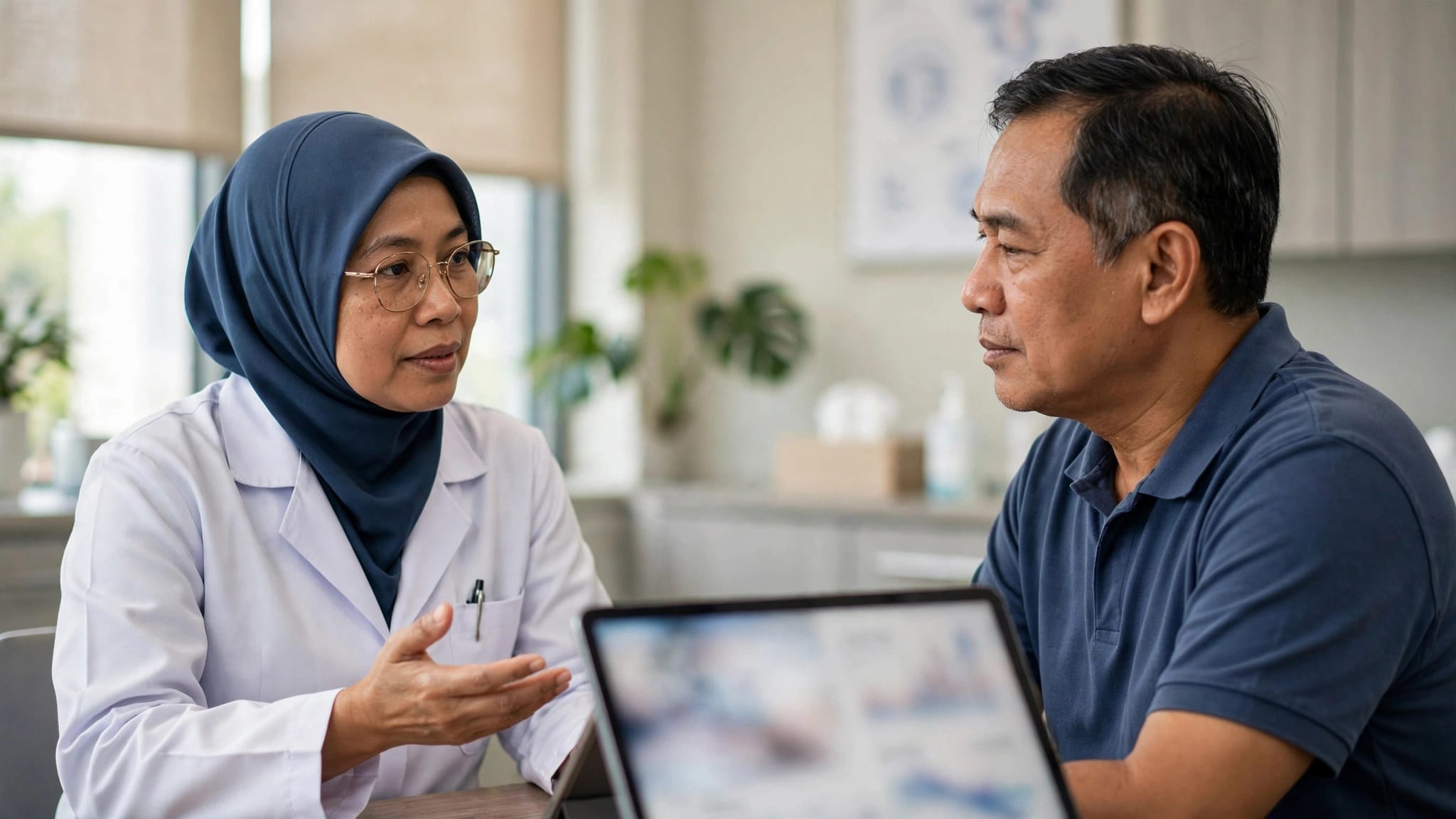
A cancer diagnosis can make every appointment feel urgent. When you search for a cancer hospital in Malaysia, you need clear information about services, specialist access, costs, and how soon each next step can happen.
Waiting times are not the same for every patient. They depend on your cancer type, urgency, available specialists, needed tests, referral route, insurance approval, and whether you are seeking care locally or overseas. Start by asking each hospital for a date-specific plan based on your records.
Quick Answer: What You Can Expect
A Malaysian cancer hospital may provide oncology services, including oncology consultations, scans, pathology review, cancer surgery, chemotherapy, radiotherapy, targeted therapy, supportive care, and follow-up. If you are still learning what these options mean, see our plain-language cancer treatment guide. Public, university, and private hospitals can all have different referral pathways and appointment systems.
Ask about the first available appointment with a clinical oncologist, when results can be reviewed, and the estimated time before cancer treatment can begin if your specialist recommends it. A hospital cannot safely give a meaningful timeline until it knows your diagnosis, cancer stage, current symptoms, and whether you need further tests.

A fast first appointment does not always mean treatment should start immediately. Your team may first need pathology confirmation, scan review, blood tests, or a discussion between specialists.
Choosing a Cancer Hospital Malaysia Families Can Compare
You don’t need to find a universally “best” hospital. The right choice depends on your diagnosis, specialist advice, treatment required, private healthcare access, travel needs, and budget. Don’t assume cost savings before comparing the full cost of care, including travel and follow-up.
Hospitals worth contacting
Many Malaysian families compare Subang Jaya Medical Centre, Sunway Medical Centre, Prince Court Medical Centre, Island Hospital Penang, Gleneagles Malaysia, and KPJ Healthcare facilities. These hospitals and networks may differ in oncology specialists, surgery support, radiotherapy access, laboratory services, ward choices, and international-patient assistance.
Families can contact and compare Sunway Medical Centre, Prince Court Medical Centre, Island Hospital, and KPJ Healthcare directly. Compare appointment dates, service availability, expected costs, and follow-up arrangements rather than relying on reputation alone.
For example, SJMC’s International Patient Care service provides a contact point for overseas patients. Sunway Medical Centre’s International Patient Centre also lists support for patients arranging care from outside Malaysia. Medical tourism decisions should consider clinical fit, medical records, timing, and follow-up, not only hospital reputation.
Check credentials and clinical fit
JCI accreditation can be one useful quality indicator, but it doesn’t tell you whether a hospital has the right doctor or treatment pathway for your case. If a hospital states that it has JCI accreditation, verify its current status through the official JCI accredited organisation directory.
Ask which specialist treats your cancer type, who will lead your care, and whether the centre can provide all parts of the proposed treatment. For breast cancer treatment, lung cancer treatment, lymphoma treatment, or colorectal cancer treatment, experience with your particular diagnosis matters more than broad marketing claims.
Why Waiting Times Differ Between Patients
Hospitals rarely publish comparable waiting-time figures for cancer care. A date quoted on the phone may change after the doctor reviews your reports. Request an estimate in writing and ask what could delay the next step.
Clinical urgency and required tests
A new cancer diagnosis may need a biopsy, pathology report, CT scan, MRI, PET CT scans, blood tests, biomarker testing, or genetic testing before your oncologist can recommend treatment. In other cases, a referral may already include enough information for the specialist to plan the next step.
Cancer stage, tumour location, symptoms, previous treatment, and your general health also affect the timeline. If you have worsening pain, breathlessness, fever, bleeding, or another new severe symptom, contact your treating team promptly instead of waiting for a routine appointment.
Specialist availability and treatment planning
You may see a clinical oncologist, surgical oncology specialist, radiation oncologist, radiologist, pathologist, nurse, dietitian, or palliative-care clinician. Some cases go to a multidisciplinary team meeting, often called a tumor board, where relevant specialists review the records together.
This discussion can help the team coordinate treatment sequencing. For example, they may consider whether cancer surgery, chemotherapy, radiotherapy, hormone therapy, immunotherapy, or targeted therapy should come first. It doesn’t guarantee a particular outcome or remove the need for an individual specialist assessment.

Services to Confirm Before You Book
Cancer treatment options are individual. A hospital may offer a broad range of services, yet your care plan should follow your biopsy findings, scans, pathology, biomarkers, medical history, and specialist assessment. This applies to diagnoses such as colorectal cancer as well as other cancers.
Diagnosis, surgery, and systemic treatment
Your first consultation with a clinical oncologist should cover what the diagnosis means, what further tests are needed, and the purpose of treatment. Ask whether you need a pathology review, fresh imaging, or a referral to a cancer surgeon.
Ask whether a surgical oncology specialist is available for your diagnosis, or whether the hospital has an established referral pathway for surgery.
Systemic treatment includes medicines that travel through the bloodstream, such as chemotherapy treatment, immunotherapy, hormone therapy, and targeted therapy. These treatments are not interchangeable. A medicine may only suit certain cancer types or biomarker results, so ask why it is being recommended for you.
For some blood cancers, ask whether a bone marrow transplant service is available or whether the hospital can arrange a suitable referral. This option is not relevant or appropriate for every patient.
Radiotherapy and supportive care
Radiation therapy (radiotherapy) uses carefully planned radiation to treat cancer. Some centres may offer specialised approaches such as stereotactic body radiotherapy (SBRT), stereotactic ablative radiotherapy (SABR), or Gamma Knife radiosurgery for selected conditions. Advanced technology may support treatment planning or delivery, but it doesn’t determine suitability by itself.
Good cancer care also includes pain management, nutrition advice, fertility discussions where relevant, rehabilitation, emotional support, palliative care, and follow-up. Complementary therapies may help with comfort for some people, but they should not replace evidence-based oncology treatment without your doctor’s guidance.
If you want help understanding possible care pathways before discussing them with your oncologist, Explore Cancer Treatment Options. This is treatment-information and coordination support, not a medical recommendation.
Plan for Costs, Insurance, and International Support
Cancer treatment costs vary widely. Private healthcare quotations may exclude medicines, tests, complications, or follow-up care. A lower quoted price isn’t automatically cost savings.
Ask for an itemised estimate
Request a written quotation that separates consultation fees, scans, biopsy or pathology charges, surgery, anaesthesia, radiotherapy planning and sessions, medicines, hospital stay, and follow-up. Ask providers such as Sunway Medical Centre, Prince Court Medical Centre, or KPJ Healthcare which items are estimates and which may arise later.
When comparing hospitals, verify their current credentials, including JCI accreditation. Check whether the named specialist and required treatment are available at that facility.
For insurance, ask both your insurer and the hospital whether your policy includes the named specialist, tests, medicines, admission, and direct billing. KPJ Healthcare can be included in this confirmation if it is under consideration. Approval may depend on your insurer’s panel, pre-authorisation rules, diagnosis, exclusions, and policy limits.
JCI accreditation doesn’t replace checking specialist fit, treatment availability, or follow-up arrangements. These details may affect your care plan and total costs.
Support for patients travelling to Malaysia
International patients may receive help with appointments, registration, cost estimates, visa letters, accommodation guidance, interpreters, and follow-up communication. Ask whether KPJ Healthcare provides the coordination you need. Confirm exactly what is included before travelling for medical tourism.
Island Hospital’s patient contact information lists separate appointment and international-patient service channels. If you are considering overseas cancer treatment, Explore Overseas Hospital Options for hospital-enquiry and medical-travel coordination. Medical tourism requires planning for records, travel, continuity of care, and follow-up. Accommodation, insurance, and repeat-treatment costs can also change any expected cost savings.
When Another Specialist Review May Help
A cancer treatment second opinion can be reasonable before major surgery, long-course radiotherapy, expensive medicine, or a complex treatment decision. It may also help when pathology, cancer stage, scan findings, or treatment sequencing feels unclear.
What another specialist can review
A medical second opinion may confirm your existing diagnosis and treatment plan. It may clarify the reasoning, request further assessment, or identify another medically appropriate approach. It doesn’t mean your first doctor is wrong.
Bring complete medical records, not only a short summary. These may include pathology reports, biopsy reports, slides or tissue blocks if requested, scan images and reports, PET scan results, blood tests, biomarker results, medicine lists, clinic letters, and quotations.
For coordination help organising records for another qualified specialist perspective, Explore Medical Report Review Support. This support doesn’t diagnose cancer or interpret records in place of your treating clinician.
Avoid delaying urgent treatment
Tell your current oncologist if you want an oncology second opinion. Ask whether there’s time to obtain it safely and which records the receiving specialist needs. In many cases, your first team can help release reports and images.
If you need coordination help with this review, Explore Cancer Review Support. The service can help arrange the review, while treatment recommendations must come from qualified doctors.
Key Takeaways
- A hospital’s waiting time depends on urgency, cancer type, test requirements, specialist availability, referral details, insurance approval, and treatment capacity.
- Compare hospitals by the specialist team, services needed, practical travel factors, written costs, and expected treatment timeline.
- Request an itemised estimate before committing to care, then confirm insurance coverage and direct-billing rules separately.
- Keep complete medical records ready, including pathology, scan images, reports, medicine lists, and clinic letters.
- A second opinion may confirm or clarify your current plan, but it should not delay urgent treatment without discussing timing with your oncology team.
Frequently Asked Questions
How long will I wait for cancer treatment in Malaysia?
There is no single answer. The hospital needs to assess your diagnosis, urgency, specialist availability, required imaging or pathology review, insurance arrangements, and treatment plan. Ask for the earliest consultation date, test dates, and an estimated treatment-start date based on your records.
Can I get direct billing for cancer treatment?
Possibly, but it depends on your insurance policy and the hospital’s arrangement with your insurer. Confirm pre-authorisation, panel status, exclusions, medicine coverage, and limits before starting treatment. Ask what you must pay yourself if a claim is delayed or declined.
What questions should I ask an oncologist?
Ask what your pathology and cancer stage show, whether more tests are needed, what treatment is recommended and why, when treatment should begin, what the likely costs include, and who to contact if symptoms worsen. Bring a caregiver if you want help taking notes.
Should I seek a second opinion before treatment?
It can be helpful when treatment is complex, your diagnosis is uncertain, surgery is major, or you want a cancer treatment plan review. Another specialist may agree with your first plan. Discuss timing with your current doctor so the review does not create an unsafe delay.
Making Your Next Decision With Clear Information
The most useful hospital comparison is not a ranking. It is a clear picture of your diagnosis, the specialist care you need, the expected appointment sequence, and the full practical cost.
Ask for written answers, keep your records together, and let your oncology team explain which timing and treatment options fit your circumstances. Clear communication can make a difficult process easier to manage.
Medical disclaimer: This content is for general educational purposes only and may not apply to every patient. It is not medical advice, a diagnosis, or a treatment recommendation. Consult your own doctor, oncologist, or qualified healthcare professional before making medical decisions.