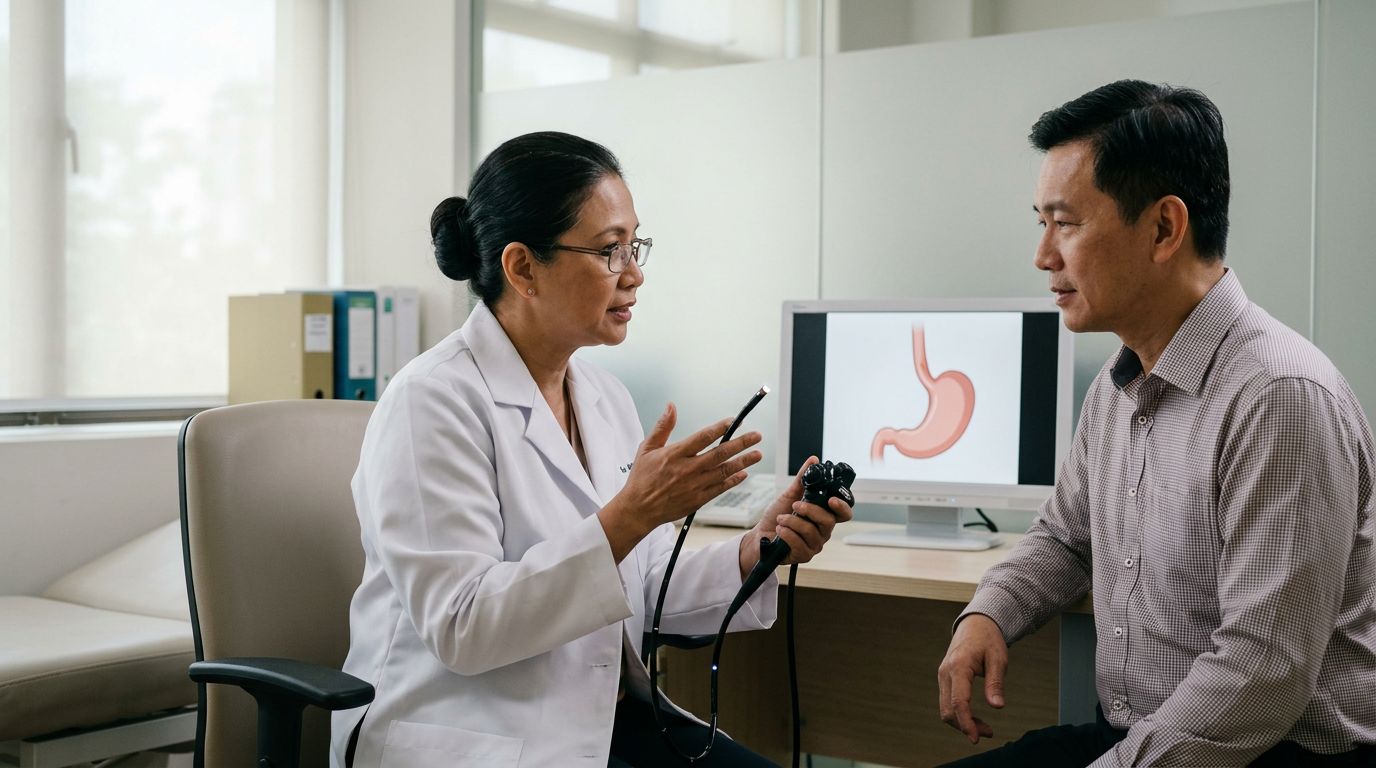
Cervical cancer often develops slowly, without early warning signs. That is why cervical cancer screening Malaysia matters even when you feel well and have no symptoms.
Using reliable early detection methods, a Pap smear and an HPV test both help find cervical changes before they become cancer. However, they look for different things, and the test your doctor recommends may depend on your age, screening history, pregnancy status, and local service availability.
Quick Answer
For most women, a pap smear test checks cervical cells for changes, while an HPV DNA test checks for high-risk types of human papillomavirus that can cause those cell changes.
Ministry of Health Malaysia guidance uses an age-based approach. Cytology, commonly called a Pap smear, is used for sexually active women under 30. Primary HPV testing is recommended for screening age groups from 30 to 65 years old, with a negative result generally allowing a longer screening interval. Always confirm the right test and timing with your doctor or clinic.
Key Takeaways
- A Pap smear looks for abnormal cervical cells, while an HPV test looks for high-risk HPV infection.
- Current cervical cancer screening guidelines generally recommend HPV testing for sexually active women aged 30 to 65.
- A positive HPV result for high-risk HPV types does not mean you have cervical cancer. It means you may need follow-up testing.
- Screening is for people without symptoms. Bleeding after sex, unusual discharge, or persistent pelvic pain needs medical assessment.
- If an abnormal result leads to a cancer diagnosis, your care depends on the cancer stage, scans, biopsy findings, pathology report, and oncologist assessment.
Cervical Cancer Screening Malaysia: What Screening Is Designed to Find
Screening looks for problems before they cause illness. In cervical health, that may mean finding high-risk HPV or cell changes on the cervix. Doctors can then monitor, investigate, or treat those changes when appropriate, which plays a vital role in effective cervical cancer prevention.
HPV is a common virus that can pass through intimate skin-to-skin contact. Many HPV infections clear without treatment. However, a persistent HPV infection involving certain high-risk types can remain in the body and cause cervical cells to change over time.
This long time frame is why routine screening can be so useful. It gives you an opportunity to identify concerns before invasive cervical cancer develops. It does not predict every future health outcome, and it cannot replace medical review when you have symptoms.
Malaysia’s 2023 cervical cancer screening guideline and updated cervical cancer screening guidelines set out a shift towards primary HPV testing for eligible women aged 30 and above. Some clinics may still use Pap smears, liquid-based cytology, or combined approaches based on their services and your clinical situation.

A screening result is a guide for the next step, not a diagnosis by itself. Most abnormal results need follow-up, not immediate cancer treatment.
Pap Smear vs HPV Test: The Main Differences
Both tests usually involve collecting a small sample from the cervix during a pelvic examination. The appointment is often brief. You may feel pressure or mild discomfort, but it should not be sharply painful. Tell the clinician if you feel pain, are anxious, or have had difficult examinations before.
A pap smear test, also called cervical cytology, examines the sample under a microscope. It looks specifically for abnormal cervical cells that may need repeat testing, monitoring, or further assessment.
An HPV DNA test checks the sample for high-risk HPV types linked to cervical cancer. It can identify risk before cells have changed enough to appear abnormal. Some Malaysian programmes may offer HPV self-sampling, although you should ask how results and follow-up are handled.
| Feature | Pap smear test | HPV DNA test |
|---|---|---|
| What it checks | Abnormal cervical cells | High-risk HPV infection |
| Main purpose | Finds changes on the cervix | Identifies HPV-related risk |
| Sample collection | Usually clinician-collected | Clinician-collected or HPV self-sampling in some programmes |
| Typical next step after an abnormal result | Repeat test, HPV test, or colposcopy | Further assessment, often colposcopy for high-risk HPV |
| Screening interval after a normal result | Depends on age and programme | Often longer after a negative result |
The central difference is timing. A pap smear test looks for the effect HPV may have had on your cervix. An HPV DNA test looks for the virus that can cause those changes.
For women aged 30 to 65, screening intervals Malaysia guidelines state that a negative HPV test can support testing at five-year intervals. By comparison, pap screening has traditionally followed shorter intervals after initial normal results. You can also review a patient-friendly summary of cervical screening recommendations before your appointment, but your clinician should tailor advice to you.
Who Should Arrange Cervical Screening?
The Ministry of Health’s current approach generally recommends cervical cytology for sexually active women under 30. It recommends primary HPV screening for sexually active women aged 30 to 65. Understanding the right screening age groups helps ensure you receive the most effective test for your life stage.
If you are under 30, your doctor may suggest a Pap smear rather than an HPV test. Infection with human papillomavirus HPV is common in younger adults and often clears naturally, so an HPV result may cause unnecessary worry without changing care.
If you are between 30 and 65, ask whether primary HPV testing is available. A negative result usually means your next routine screen can wait longer, unless your doctor gives different advice because of your health history.
Women over 65 may still need screening if they have never been screened regularly or do not meet the criteria to stop. The decision depends on previous results, the type of tests you had, and any history of abnormal cervical changes.
You may need a different plan if you have HIV, a weakened immune system, had treatment for high-grade cervical changes, or have had a hysterectomy. Other medical considerations, including certain risk factors for cervical cancer such as smoking or having multiple sexual partners, may also influence your schedule. Your doctor can explain whether your cervix remains and whether screening still applies.
When Symptoms Need Medical Review Instead of Routine Screening
Screening is for people who feel well. If you have possible cervical cancer symptoms, book a medical assessment rather than waiting for your next screening date.
Symptoms can have many causes, including infections, fibroids, hormonal changes, or other gynaecological conditions. Still, you should arrange a review if you notice:
- Vaginal bleeding symptoms, including bleeding after intercourse or post-menopausal vaginal bleeding, as well as bleeding between periods.
- Persistent watery, bloody, or unpleasant-smelling vaginal discharge.
- Ongoing pelvic discomfort symptoms or pain during sex.
- Unusual heavier bleeding or periods that have changed without a clear reason.
A doctor may perform a pelvic examination and arrange tests such as a Pap smear, HPV test, ultrasound, or referral to a gynaecologist. Screening tests do not diagnose cancer on their own.
If a doctor suspects cancer, diagnosis usually requires a biopsy for cancer. A pathologist examines the tissue and issues a pathology report. CT, MRI, or PET scans for cancer may help determine whether disease has spread after a confirmed diagnosis.
What Happens After an Abnormal Pap Smear or Positive HPV Test?
An abnormal screening result is common enough that clinics have clear follow-up pathways. It does not automatically mean you have cervical cancer or will need cancer surgery.
Your next step depends on the exact result. The report may describe a persistent HPV infection, low-grade cell changes, high-grade cell changes, an inadequate sample, or another finding. Ask for a copy and request a plain-language explanation.
A clinician may recommend repeating the test after a set period. In other cases, you may be referred for further evaluation, especially if tests find high-risk HPV types that require closer monitoring. During a colposcopy procedure, a specialist examines the cervix closely with a magnifying instrument. They may take a small biopsy or recommend pre-cancerous cells removal if they see an area that needs treatment.
If biopsy results confirm cervical cancer, an oncology consultation will help you understand the cancer stage and available cervical cancer treatment options. Care may include surgery, radiotherapy, chemotherapy, brachytherapy, targeted therapy, or immunotherapy. Suitability depends on the cancer type, stage, scans, biopsy results, pathology report, biomarkers, genetic testing, medical history, hospital availability, and oncologist assessment.
A cancer second opinion can be reasonable when treatment is complex, you have advanced cancer, or you are unsure about a proposed plan. You can request a medical report review, pathology report review, scan images, and a cancer treatment plan review from another qualified cancer specialist. A second opinion offers another clinical perspective. It should not delay urgent care without discussing the timing with your treating team.
Research on Malaysia’s cervical cancer elimination efforts describes why HPV vaccination, accessible screening, and follow-up after abnormal results all matter. Screening only works fully when you receive and act on your result.
Preparing for Your Screening Appointment
Choose a clinic where you feel comfortable asking questions. Public healthcare facilities, private healthcare facilities, the LPPKN screening programme, subsidised screening programmes, mobile screening units, and gynaecology clinics may offer screening, though the test type and fee can differ.
When booking, ask whether the clinic provides a Pap smear, high-risk HPV test, liquid-based cytology, or self-sampling. Also ask how and when you will receive your result, and what follow-up costs may apply if the result is abnormal.
Try to avoid scheduling your test during heavy menstrual bleeding because blood can affect the sample. Your clinic may also advise avoiding vaginal creams, lubricants, douching, or sex for a period before the test. Follow the clinic’s instructions rather than relying on a general rule.
Screening fees are separate from the cost of cancer treatment. If you are worried that cancer treatment is too expensive after a diagnosis, ask the hospital billing team for a written cancer treatment quotation. Your oncologist can also explain whether public treatment, private care, or an overseas cancer treatment review is medically appropriate. Overseas care should only be considered after specialist advice, with a clear review of travel safety, continuity of care, and expected cancer treatment cost.
Questions to Ask Your Doctor or Gynaecologist
Bring a note on your phone or ask a family member to join you if that helps. These questions can make the appointment clearer:
- Which screening test, such as a pap smear test or an HPV DNA test, suits my age and medical history?
- When should I expect my result, and how will the clinic contact me?
- Does my result need a repeat test, colposcopy, or biopsy based on my individual risk factors for cervical cancer?
- If I have HPV, which type was found and what does it mean for follow-up?
- Do I need a gynaecologist, cancer specialist, or oncology consultation?
- If cancer is confirmed, what are the treatment options and likely waiting times at this cancer hospital?
- Can I have copies of my scans, biopsy report, and medical records for a second opinion?
Choosing the Right Next Step
Routine cervical cancer screening Malaysia appointments are most useful when you know which test was done and when you should return. Keep a record of your result, the test date, and any recommended follow-up as part of your commitment to long-term cervical cancer prevention.
A normal result offers reassurance for the recommended interval. A positive HPV test or abnormal Pap smear calls for calm, timely follow-up. It does not tell the full story until a clinician reviews the result alongside your medical history.
Frequently Asked Questions
Is an HPV test more accurate than a Pap smear?
HPV testing is generally more sensitive for detecting the high-risk human papillomavirus HPV infection that can lead to cervical cell changes. However, Pap smears still have an important role, particularly for younger women and when a clinician needs to examine cervical cells. The right test depends on your age and clinical situation.
Does a positive HPV result mean my partner was unfaithful?
No. HPV can remain inactive for years, and a test cannot show when you acquired it or from whom. A positive result should guide health follow-up, not blame.
Can you get cervical cancer if you had the HPV vaccine?
Yes, although vaccination lowers the risk from HPV types covered by the vaccine. It does not protect against every high-risk HPV type, so you should still follow screening advice and watch out for any unusual cervical cancer symptoms.
What if my Pap smear sample is inadequate?
An inadequate result from your pap smear test means the laboratory could not assess the sample properly. It does not mean cancer was found. Your clinic will usually ask you to repeat the test.
Can you have a Pap smear during pregnancy?
In many cases, clinicians can perform cervical screening during pregnancy if it is due. However, tell the clinic you are pregnant before the appointment so they can advise you properly and check for any unexpected cervical cancer symptoms.
Medical Disclaimer
This content is for general information only. It may not be fully verified, current, or applicable to every patient, and it is not medical advice, a diagnosis, or a treatment recommendation.
You must consult your own doctor, oncologist, gynaecologist, or qualified healthcare professional before making any medical decision. SureLah does not take responsibility for medical decisions, treatment outcomes, doctor recommendations, hospital decisions, or patient actions based on this article.