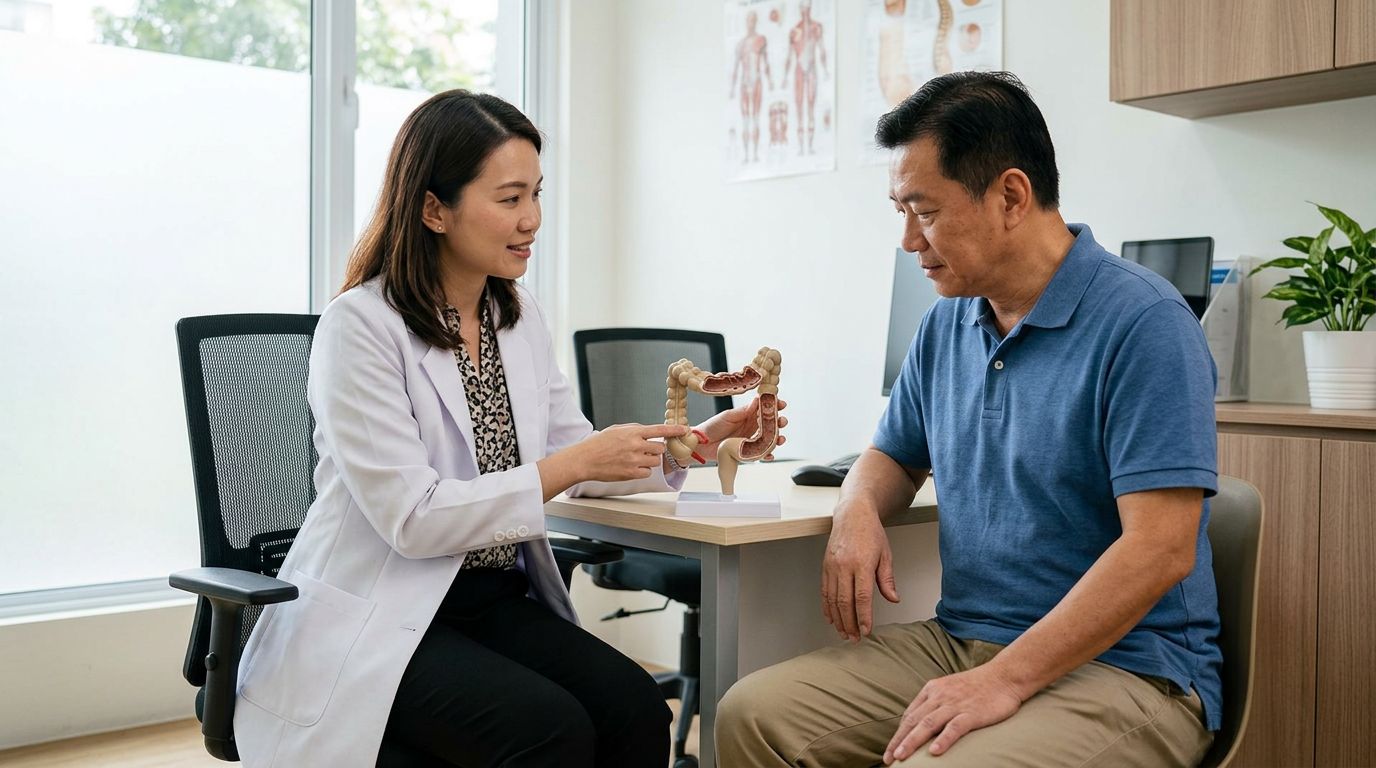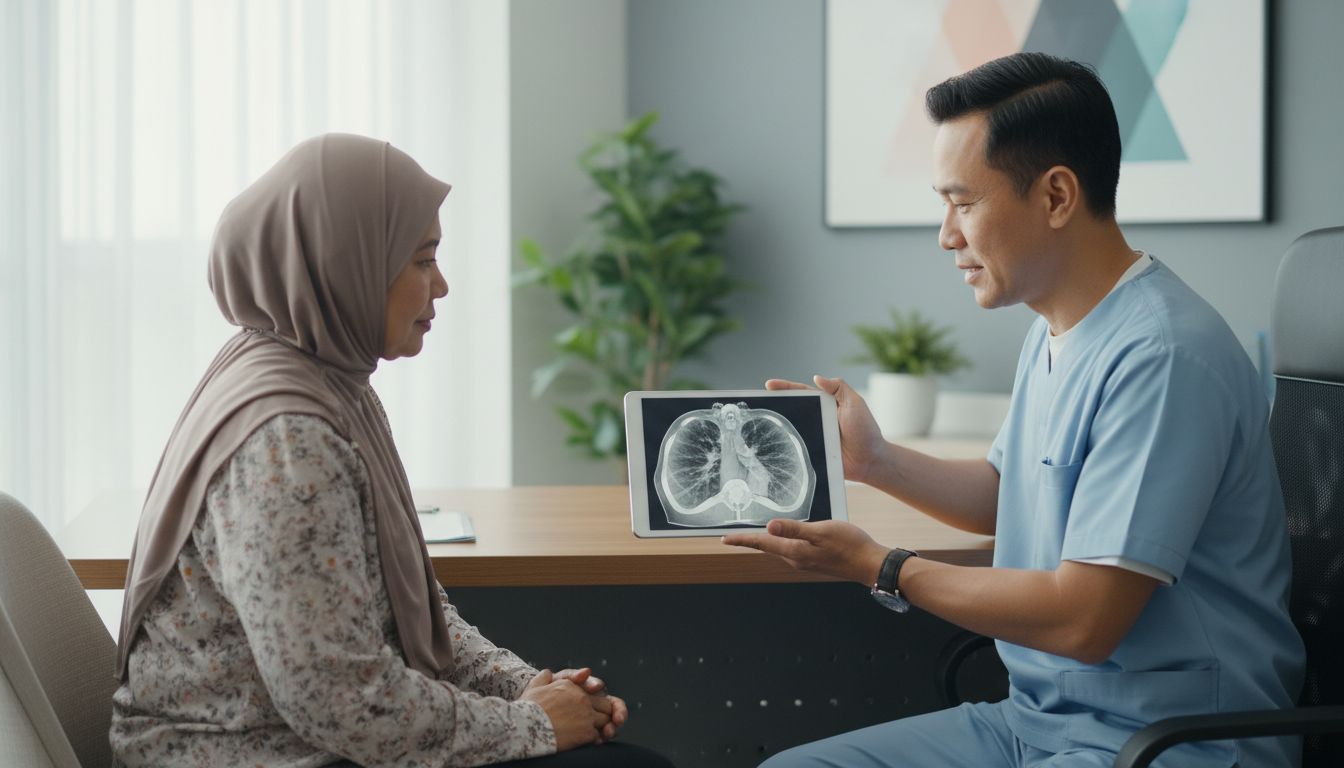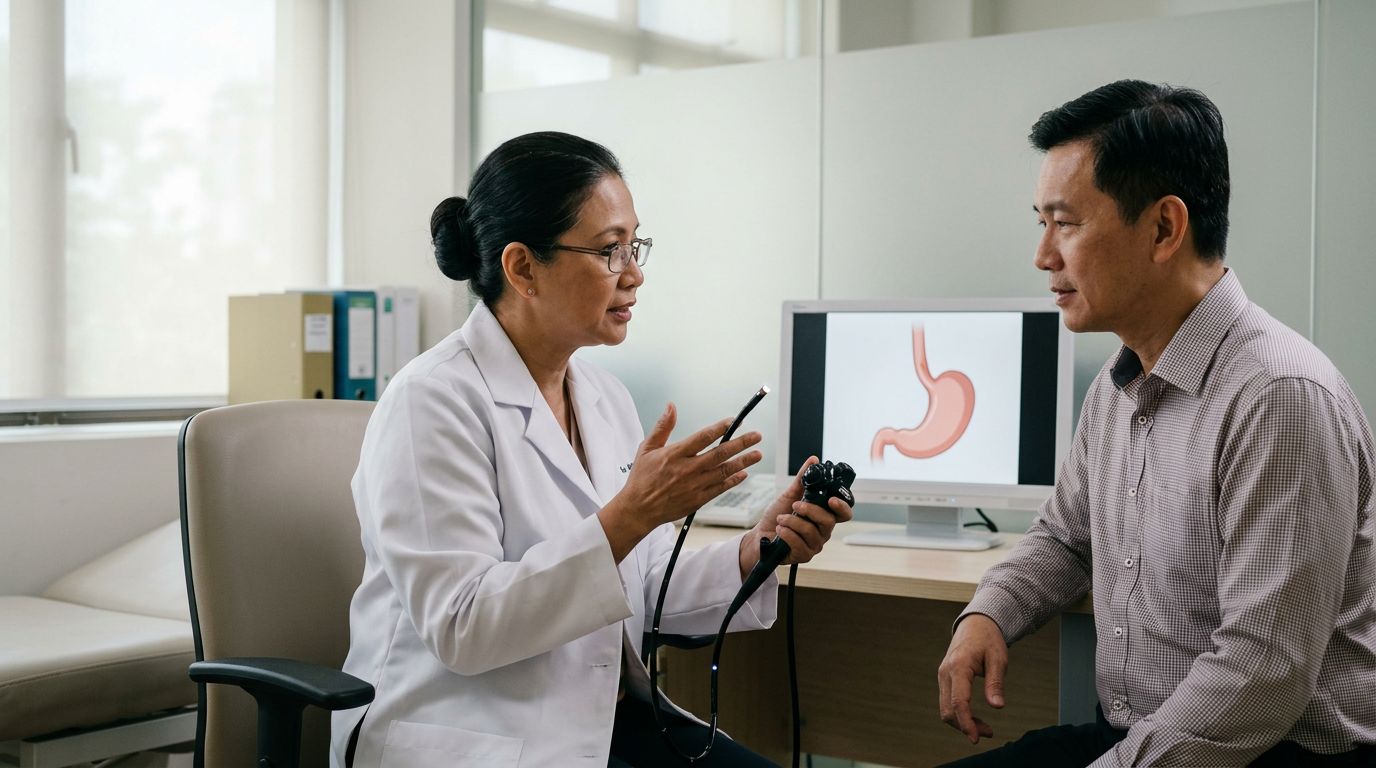
Persistent indigestion can feel ordinary until it doesn’t go away. If you have ongoing upper stomach discomfort, early fullness, unexplained weight loss, vomiting, or black stools, a gastric cancer endoscopy Malaysia assessment may help your doctor look for a clear cause.
An upper endoscopy does not confirm cancer in every case, but it supports early detection by letting a specialist inspect the lining of your oesophagus, stomach, and first part of the small intestine. They can then take tissue samples when an area needs closer review.
This test can turn uncertain symptoms or an abnormal scan into information you and your doctor can act on.
Quick Answer
A gastric cancer endoscopy, also called gastroscopy or OGDS (oesophago-gastro-duodenoscopy), uses a thin flexible camera passed through your mouth to view your upper digestive tract. It can show ulcers, inflammation, bleeding, polyps, suspicious growths, and narrowing in the stomach when checking for stomach cancer and gastric cancer.
If the doctor sees an unusual area, they can take a biopsy procedure during the same procedure. A pathologist examines that tissue under a microscope. The biopsy result, rather than the camera image alone, is usually needed to confirm a gastric cancer diagnosis.
Key Takeaways
- Endoscopy can identify visible stomach abnormalities and allow biopsies during the same appointment.
- A normal-looking stomach does not always rule out every problem, so your doctor may still recommend scans or repeat testing.
- Biopsy, pathology results, CT scans, and sometimes endoscopic ultrasound help determine gastric cancer staging.
- Stomach cancer treatment depends on the tumour’s location, stage, pathology, biomarkers, medical history, and your oncologist’s assessment of treatment options.
- Ask for written reports and images where available, especially if you need a cancer second opinion.
What Happens During a Gastric Cancer Endoscopy in Malaysia
A gastroscopy is usually arranged by a gastroenterologist, surgeon, or medical specialist after an oncology consultation or after symptoms raise concern. In some cases, a doctor recommends it because a computed tomography scan shows stomach-wall thickening or enlarged lymph nodes. In others, the test is the first direct examination of the stomach.
Before the procedure, the clinic will give you fasting instructions. You will usually need to stop eating for several hours beforehand, because food in the stomach can block the view and increase the risk of vomiting. Tell the team about diabetes medicines, blood thinners, allergies, pregnancy, heart or lung conditions, and previous reactions to sedation.
At the endoscopy unit, a nurse may place an intravenous line. You might receive a throat spray, sedation, or both. Sedation can make the procedure easier to tolerate, but it also means you should arrange for someone to take you home and avoid driving or making important decisions that day.
The specialist guides the flexible scope through your mouth and into the stomach. During this upper endoscopy, the camera sends images to a monitor. Air or carbon dioxide may be introduced to open the stomach folds, so you may feel bloated afterward.

The camera part often takes less than 20 minutes. The full visit may take longer because of registration, preparation, recovery from sedation, and a discussion with the doctor.
A standard endoscopy looks at the surface of the upper digestive tract. If the team needs more detail about a suspected tumour’s depth or nearby lymph nodes, they may recommend endoscopic ultrasound. Endoscopic ultrasound combines an endoscope with ultrasound and may support cancer staging.
An endoscopy can reveal an abnormal area immediately, but a biopsy result commonly takes longer. The final diagnosis should come from the full clinical picture, not the camera appearance alone.
Gastric Cancer Endoscopy Malaysia: What Doctors Can See
During a gastric cancer endoscopy Malaysia appointment, the doctor looks for changes in the stomach lining. Some findings are benign and common. Others need tissue testing or specialist follow-up.
Inflammation, called gastritis, can cause redness, swelling, erosions, or bleeding. It may relate to an H pylori infection, medicines such as NSAID painkillers, alcohol use, autoimmune disease, or other risk factors. An ulcer is a deeper break in the lining. Although many ulcers are not cancer, a gastric ulcer may need biopsy and follow-up endoscopy because cancer can sometimes look similar.
The test may also show polyps, raised lesions, irregular folds, narrowed areas, or a mass. A suspicious lesion can appear ulcerated, thickened, uneven, or prone to bleeding when touched. Still, visible features cannot replace pathology. Some early cancers are subtle, while some non-cancerous changes can look alarming.
When a lesion is suspected, the specialist takes several small tissue samples with biopsy forceps. You usually do not feel the biopsy itself. The pathology laboratory then checks whether cells are normal, inflamed, pre-cancerous, or malignant tumour tissue.
A pathology report review may describe the type of stomach cancer, often adenocarcinoma, and the tumour’s grade. If cancer is found, the team may request biomarker testing or genetic testing for cancer. Tests can include HER2, PD-L1, mismatch repair proteins, microsatellite instability, and other markers based on the tumour and available treatment pathways.
Research on gastric cancer in Malaysia examining local Malaysia cancer cases has described delays between the first symptoms and diagnosis at endoscopy. That is one reason persistent symptoms deserve a proper medical review rather than repeated self-treatment.
Symptoms That May Lead to an Endoscopy
Many stomach symptoms have causes other than cancer. Acid reflux, gastritis, ulcers, food intolerance, gallbladder issues, and medication side effects can all feel similar. Yet you should not ignore symptoms that persist, recur, or affect eating and daily life.
Common stomach cancer symptoms that may lead a doctor to recommend screening procedures include:
- Ongoing upper abdominal pain, burning, or indigestion that does not settle
- Feeling full after a small amount of food
- Reduced appetite or unplanned weight loss
- Nausea or repeated vomiting
- Trouble swallowing, especially if it is getting worse
- Vomiting blood or passing black, tar-like stools
- Tiredness, dizziness, or breathlessness linked to possible anaemia
- A new abdominal lump or swelling
Symptoms alone cannot tell you the cancer stage, or even whether cancer is present. However, blood in vomit, black stools, severe pain, fainting, or an inability to keep fluids down needs urgent medical attention.
Older Malaysian clinical literature has urged earlier investigation for persistent dyspepsia to support early detection, rather than waiting for classic late symptoms. You can read the discussion in this Malaysian review on early diagnosis. Your age, family history, H. pylori history, smoking, anaemia, and other risk factors all affect the decision to test.
Biopsy Results, Scans, and Cancer Stages
Endoscopy is a central part of cancer diagnosis, but it does not usually answer every question. Once pathology confirms stomach cancer, doctors need to find out how far it has grown and whether it has spread.
This process is called cancer staging. It guides treatment discussions and helps the team decide whether cancer surgery is appropriate, whether you need treatment before surgery, or whether a non-surgical approach is safer.
Your team may use several tests to see whether a malignant tumour has spread:
| Test or assessment | What it may help show |
|---|---|
| Endoscopy with biopsy | Confirms tissue diagnosis and tumour type |
| Computed tomography scan | Checks the chest, abdomen, lymph nodes, liver, and other areas |
| Endoscopic ultrasound | Assesses how deeply the tumour has entered the stomach wall and nearby nodes |
| PET scan for cancer | May help in selected cases, though not every stomach cancer shows clearly on PET |
| Diagnostic laparoscopy | Lets surgeons look inside the abdomen for small deposits that scans may miss |
| Blood tests and tumour marker test | Checks general health and may support monitoring, but does not diagnose gastric cancer alone |
| Biomarker testing | Helps assess whether targeted therapy or immunotherapy may be suitable |
Cancer stages describe the tumour’s depth, lymph-node involvement, and spread to distant organs. Your doctor may use the TNM system. T describes how far the cancer has grown into the stomach wall, N describes nearby lymph nodes, and M describes spread to other organs.
Staging may change after surgery because the final pathology gives more detail. Therefore, a treatment decision should rest on your biopsy, scans, medical report review, fitness for treatment, and the multidisciplinary team’s assessment.
How Endoscopy Findings Affect Stomach Cancer Treatment
A gastric endoscopy helps define the problem, but it is only one part of planning cancer treatment. Early lesions limited to the stomach’s inner layers may sometimes be removed through specialised endoscopic techniques at suitable centres. Larger or deeper cancers usually need broader treatment planning.
For localised stomach cancer, surgical removal of part or all of the stomach may involve taking out nearby lymph nodes as well. The type of operation depends on where the tumour sits. Some patients have chemotherapy before and after surgery. Others may need chemotherapy after surgery, depending on pathology and the treatment plan.
For locally advanced or metastatic disease, treatment options can include chemotherapy and radiotherapy, targeted therapy, immunotherapy, or palliative care. Radiation therapy is not used in every stomach cancer case. Your oncologist chooses it based on the tumour site, cancer stage, prior treatment, and the reason for treatment.
Advanced cancer treatment may include HER2-targeted therapy for eligible HER2-positive tumours, or immunotherapy for selected biomarker profiles. These treatments are not interchangeable. Suitability depends on the cancer type, stage, scans, biopsy results, pathology report, biomarkers, genetic testing, medical history, hospital availability, and oncologist assessment.
A cancer treatment plan review can be useful when you want to understand why one option was recommended over another. It can also help you prepare for treatment costs, side effects, travel needs, and time away from work.
Endoscopy Costs and Questions About Hospital Choice
Gastric cancer endoscopy Malaysia cost concerns often begin before a diagnosis is confirmed. Ask for an itemised estimate, because the advertised gastroscopy price may not include sedation, specialist fees, biopsies, histopathology, blood tests, medicines, or follow-up appointments.
Public and private charges can differ widely. Hospital Selayang’s published day-care charges list OGDS at RM20 for local Malaysian patients, subject to the stated eligibility and referral categories, while private packages often cost more. For example, KMI Healthcare has published a gastroscopy package price of RM1,399, while some hospitals quote higher charges where sedation or additional services apply. You can check the Hospital Selayang day-care charges and KMI’s endoscopy package details before asking a provider for a current quotation.
Prices change, and packages have conditions. An urgent procedure, biopsy, H. pylori testing, lesion removal, anaesthesia, or admission can increase the total. Therefore, ask the billing team for a written cancer treatment quotation if your gastric cancer endoscopy Malaysia procedure leads to a confirmed diagnosis of stomach cancer.
When you compare cancer hospitals, look beyond the first procedure price. You may want to know whether the hospital has gastrointestinal surgery, medical oncology, pathology, dietitian support, endoscopic ultrasound, imaging, and a multidisciplinary tumour board. A cancer hospital with the right services can reduce the need to move records between several facilities.
Overseas cancer treatment may be considered by some families, usually for a second review or a treatment unavailable locally. It requires careful checking of the specialist’s recommendation, travel fitness, expected follow-up, and actual costs. Coordination support can help organise reports and appointments, but it cannot replace a treating oncologist’s assessment.
When a Cancer Second Opinion May Help
You don’t need to distrust your current doctor to seek a cancer second opinion. A second review can be reasonable when facing complex stomach cancer decisions, when surgery is extensive, when treatment choices differ, or when you want confirmation before starting chemotherapy, immunotherapy, or targeted therapy.
Bring complete records, not only a summary. Useful documents include the endoscopy report, biopsy slides or blocks if available, pathology report, CT or PET images on disc, blood results, discharge notes, and a list of medicines. You can also prepare for a medical specialist visit by organising questions and asking the clinic how it prefers to receive imaging and reports.
A second cancer specialist may agree with the first plan. That agreement can give you more confidence. If the recommendation differs and changes your overall treatment options, ask why. The difference may relate to how the scan was interpreted, whether extra biomarker testing is available, your general health, or each team’s experience with a particular procedure.
Do not delay urgent care while gathering multiple opinions. Ask the original team how long it is safe to wait and whether any symptoms need immediate attention.
Questions to Ask Your Oncologist After Endoscopy
Write down your questions before the appointment. A family member can take notes, especially if you are still processing a cancer diagnosis.
- What did the endoscopy show, and where exactly is the abnormal area?
- Were biopsies taken, and when will the pathology report be ready?
- Has the biopsy confirmed adenocarcinoma, or are further tests needed?
- What is the likely cancer stage now, and could it change after more scans or surgery?
- Do I need CT, PET, EUS, laparoscopy, blood tests, or genetic testing?
- Is surgery possible, and should chemotherapy and radiotherapy come before or after surgery?
- Which treatment options fit my pathology, scans, health, and personal circumstances?
- What side effects, dietary changes, and recovery time should I expect?
- What costs are included, and what could add to the bill?
- Would a second opinion change the timing of my treatment?
FAQ
Is gastroscopy painful?
Most people find gastroscopy uncomfortable rather than painful. Throat spray or sedation can reduce discomfort. You may have a mild sore throat, bloating, or gas afterward, but the clinic should tell you which symptoms need urgent review.
Can an endoscopy miss stomach cancer?
An upper endoscopy is one of the most useful tests for finding stomach abnormalities, but no test is perfect. Visibility, lesion location, sampling, and the type of cancer can affect results. If symptoms continue despite a reassuring result, return to your doctor and ask whether repeat endoscopy, imaging, or another assessment is appropriate.
Does a biopsy cause cancer to spread?
Routine endoscopic biopsies during a biopsy procedure are standard in the assessment of a suspected stomach tumour. Doctors take biopsies because pathology is needed to confirm the diagnosis and guide treatment. Discuss any personal concern with your specialist before the procedure.
How long do gastric biopsy results take in Malaysia?
Timing varies by hospital and the tests requested. Basic pathology may take several working days, while additional stains for an H pylori infection, biomarker testing, or an outside pathology review can take longer. Ask the clinic when and how you will receive the result.
Can you eat after a gastroscopy?
If you had throat spray only, you usually need to wait until your swallowing reflex returns before eating or drinking. If you had sedation, follow the discharge instructions and have someone take you home. Your doctor may give different advice if they performed a treatment during the procedure.
Does every stomach cancer need chemotherapy?
No. Stomach cancer treatment depends on the cancer stage, tumour location, biopsy and pathology findings, biomarkers, scans, medical history, and specialist assessment. Some early stomach cancer lesions may be managed endoscopically or surgically, while other situations may require systemic treatment, targeted therapy, or palliative care.
A Clear Result Is the Starting Point
A gastric cancer endoscopy can provide direct evidence that scans and symptoms alone cannot give. It is essential for early detection, ensuring that doctors can identify a suspicious area, collect tissue, and set the next steps for staging and treatment discussions regarding gastric cancer or general stomach cancer.
Keep copies of your reports, ask for plain-language explanations, and give yourself time to understand the recommendation. The most useful decision is an informed one, based on your own cancer diagnosis and a qualified medical team’s advice.
Medical disclaimer: This content is for general information only. It may not be fully verified or applicable to every patient, and it should not be treated as medical advice, diagnosis, or treatment recommendation. You must consult your own doctor, oncologist, or qualified healthcare professional before making any medical decision. SureLah does not take responsibility for medical decisions, treatment outcomes, doctor recommendations, hospital decisions, or patient actions based on this article.