Colon cancer often develops from small growths called polyps before it causes noticeable problems. A colonoscopy Malaysia appointment can find these polyps, allow a doctor to remove some during the procedure, and help investigate symptoms that need prompt attention, supporting effective cancer screening and early detection.
If you have received a screening recommendation, a referral, or a worrying medical report, it is normal to have questions about preparation, sedation, cost, and results. Quick answer: colonoscopy is a camera examination of the large bowel, usually completed as a day-care procedure, and the quality of bowel preparation matters as much as the examination itself.
Key Takeaways
- Colonoscopy examines the rectum and colon with a flexible camera tube and can identify colon polyps, inflammation, bleeding sources, and possible colorectal cancer.
- You may need screening earlier if you have a family history, previous polyps, inflammatory bowel disease, or concerning bowel symptoms.
- Thorough bowel preparation helps the doctor inspect the lining properly. Follow the hospital’s instructions exactly.
- Private colonoscopy prices in Malaysia vary widely, especially when sedation, biopsies, polyp removal, pathology, or day-care charges are added.
- Abnormal findings do not confirm cancer. Your doctor may need a biopsy, pathology report review, scans, and staging tests before discussing treatment.
Colonoscopy Malaysia: What the Procedure Checks
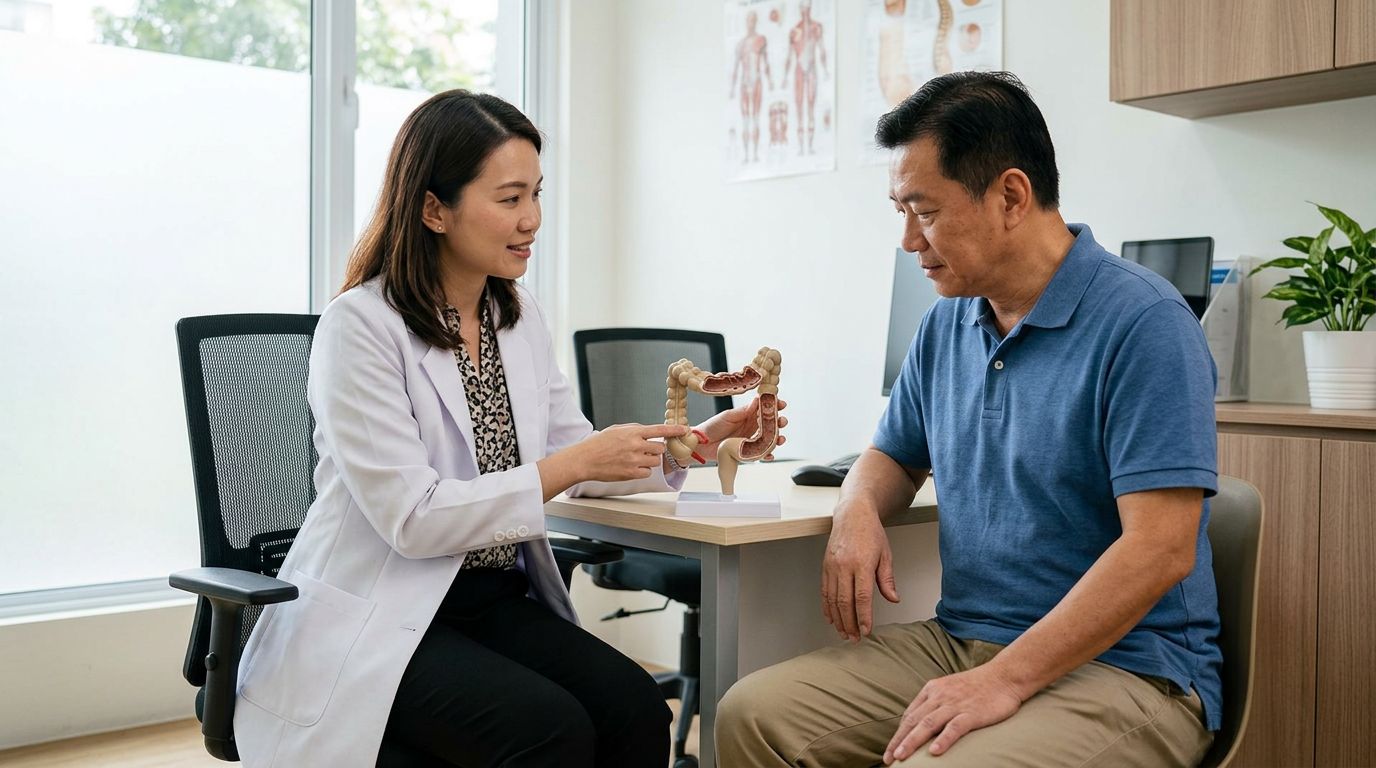
A colonoscopy uses a flexible tube with a tiny camera to examine the inner lining of your rectum and large intestine. A gastroenterologist or colorectal surgeon gently passes the scope through the anus while you are usually sedated. The camera sends images to a monitor, allowing the doctor to look for polyps, ulcers, inflammation, bleeding, and suspicious tissue.
Unlike a stool test, colonoscopy lets the doctor inspect the bowel directly. If a small polyp is found, the doctor may remove it during the same medical procedure. If an area looks unusual, they may take a tissue sample for a biopsy for cancer assessment.
Gleneagles Malaysia’s explanation of colonoscopy describes how the procedure can detect polyps, colorectal cancer, and other bowel conditions. It is not limited to cancer screening. Doctors also use it to investigate bleeding, a lasting change in bowel habits, unexplained iron-deficiency anaemia, or ongoing abdominal symptoms.
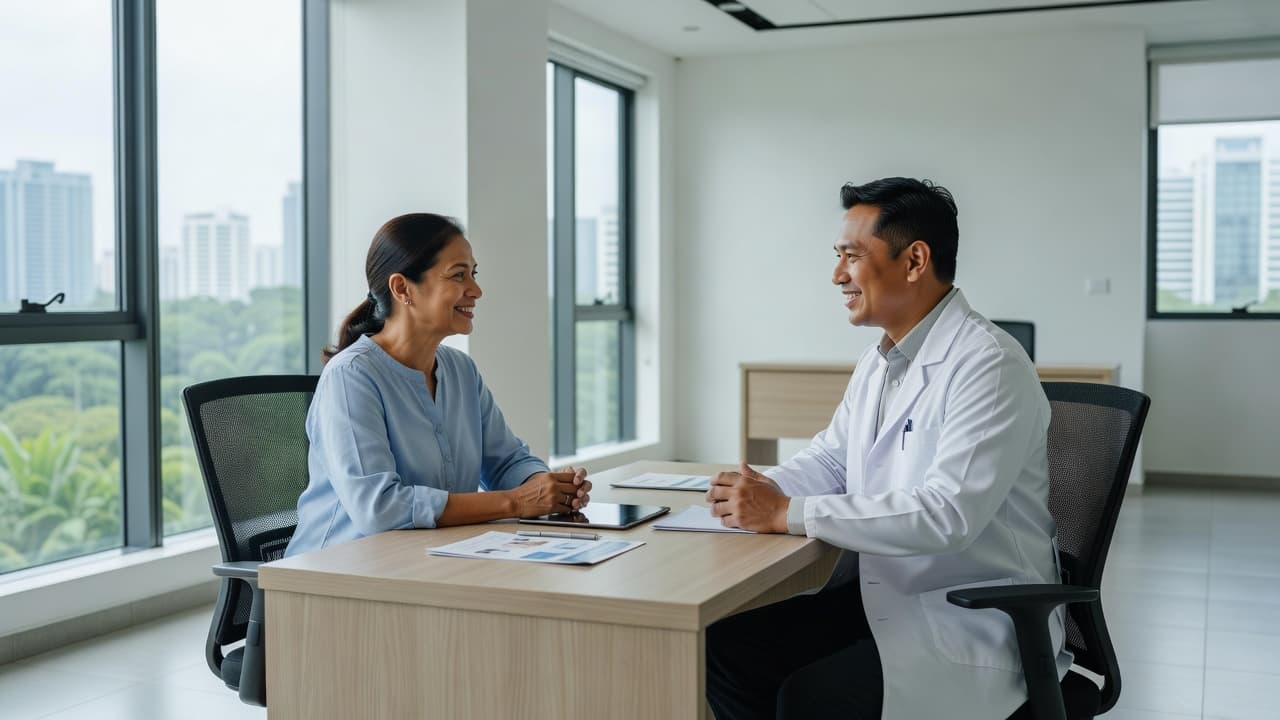
A colonoscopy usually takes about 30 to 60 minutes, although your total visit may be longer because of registration, sedation, recovery, and discussion with the doctor. You should arrange for an adult to take you home if you receive sedation.
A normal colonoscopy can be reassuring, but your doctor will still decide when you need the next screening based on your age, family history, preparation quality, and any polyps found.
When You Should Discuss Colon Cancer Screening
Your doctor may recommend colon cancer screening even when you feel well. Routine cancer screening looks for disease before symptoms appear, which is why it is different from testing done after you become unwell.
Age matters, but your personal risk matters too. Ask about colonoscopy if a parent, sibling, or child has had colorectal cancer or advanced polyps. A history of inflammatory bowel disease, such as ulcerative colitis or Crohn’s disease affecting the colon, may also change the screening plan.
You should seek medical advice promptly if you have cancer symptoms that persist or recur, including:
- Blood in the stool, black stools, or rectal bleeding
- A lasting change in bowel habit, such as new constipation or diarrhoea
- Unexplained weight loss, fatigue, or low iron levels
- Ongoing lower abdominal discomfort, bloating, or a feeling that the bowel does not empty fully
These symptoms can have non-cancer causes, including haemorrhoids, infections, or irritable bowel syndrome. Still, they deserve proper assessment. Do not rely on a home remedy or online search when bleeding or a persistent bowel change is involved.
A doctor may start with a consultation, blood tests, a faecal immunochemical test, or imaging. However, some results lead to a colonoscopy because it can provide a clearer view and allow tissue sampling. If you are unsure whether your symptoms justify a referral, bring a written timeline of when they began, how often they occur, and any family history.
How Colonoscopy Fits Into Cancer Diagnosis and Staging
A colonoscopy can identify a suspicious lesion, but it does not give the full cancer diagnosis on its own. The doctor may remove a polyp or collect a small tissue sample to support early detection. A laboratory pathologist then examines those samples under a microscope.
Your pathology report may describe the tissue type, whether cancer cells are present, and features that help guide the next steps. You may hear terms such as adenoma, dysplasia, adenocarcinoma, margin, grade, or mismatch repair testing. Ask your doctor to explain the words in your own report rather than comparing them with someone else’s result online.
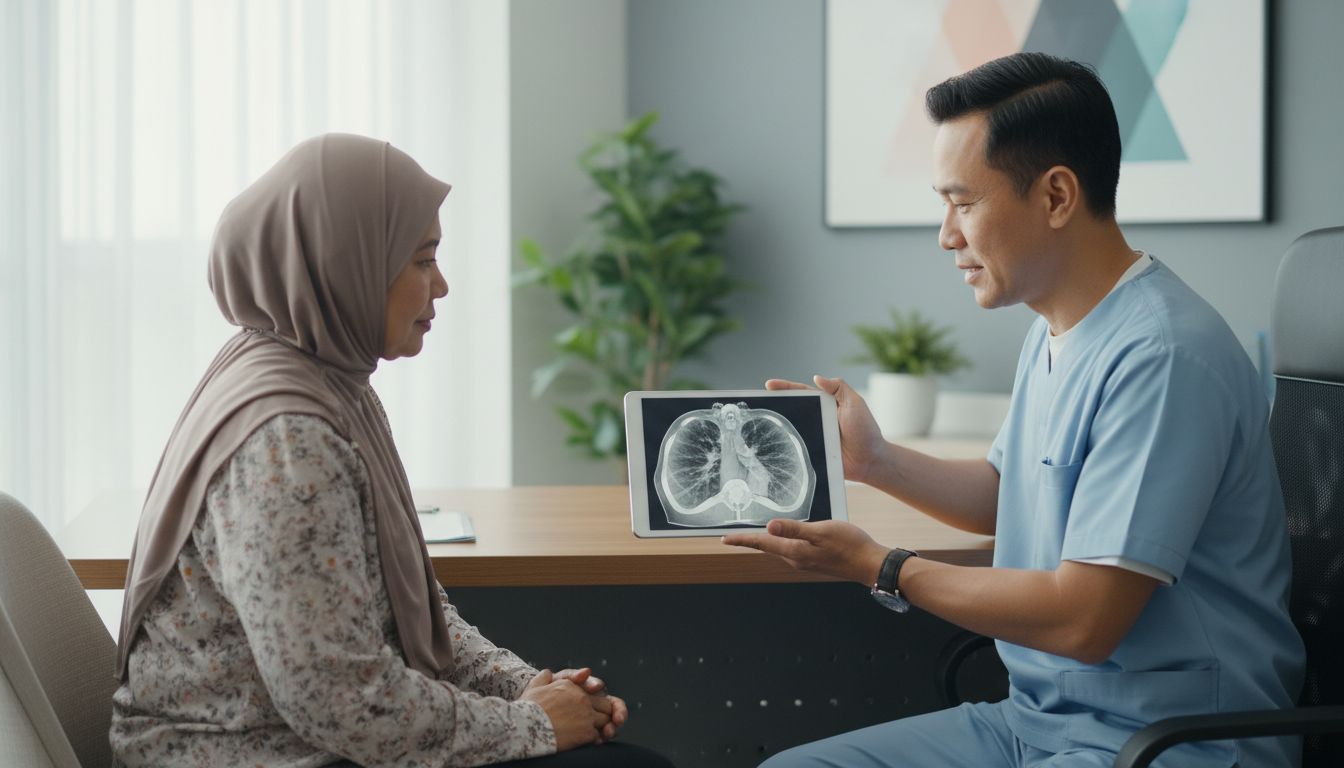
If a biopsy confirms colorectal cancer, the next stage often includes a CT scan for cancer staging. Depending on the location and clinical question, an MRI scan for cancer may be used, especially for rectal tumours. A PET scan for cancer is not automatically needed for every patient. Your oncology team selects tests based on the biopsy, symptoms, medical history, and initial scan findings.
Cancer stages describe how far a cancer has grown or spread. They help doctors discuss treatment choices, but they do not replace an individual assessment. Your specialist may also request biomarker testing or genetic testing for cancer in selected situations. These tests can help clarify inherited risk or support treatment discussions in more advanced disease.
A clear medical report review can reduce confusion. Keep copies of your colonoscopy report, biopsy result, blood tests, scan reports, referral letters, and any imaging discs. These records are useful if you transfer hospitals or need a cancer second opinion.
Preparing for Your Colonoscopy Appointment
Proper bowel preparation is the part many people find hardest, yet it has a major effect on the examination. The colon needs to be empty so the doctor can see small polyps and subtle changes in the bowel lining.
Your hospital will give you a preparation plan. It commonly includes a low-fibre diet for a period before the test, clear fluids the day before, and a prescribed laxative solution. The timing can differ between morning and afternoon appointments. Read the instructions early, because you may need to buy suitable drinks and arrange time at home.
The practical steps usually include:
- Tell the clinic about every medicine and supplement you take, especially blood thinners, diabetes medicine, iron tablets, weight-loss injections, or kidney medication.
- Follow the diet and laxative schedule given by the hospital, including the amounts and times, while transitioning to a clear liquid diet as instructed.
- Drink approved clear fluids to reduce dehydration risk, unless your doctor has given fluid restrictions.
- Stop solid food only when your instructions tell you to do so.
- Arrange transport home because sedation can affect judgement and reaction time for the rest of the day.
Do not stop prescription medicines on your own. Blood thinners and diabetes medicines need individual instructions, and your doctor may adjust the plan based on why you take them.
You may have frequent watery bowel motions after starting the laxative. Thorough bowel preparation requires you to stay close to a toilet, use soft toilet paper or barrier cream if needed, and wear comfortable clothing. Although this part is inconvenient, incomplete preparation can hide lesions and may mean the procedure needs repeating.
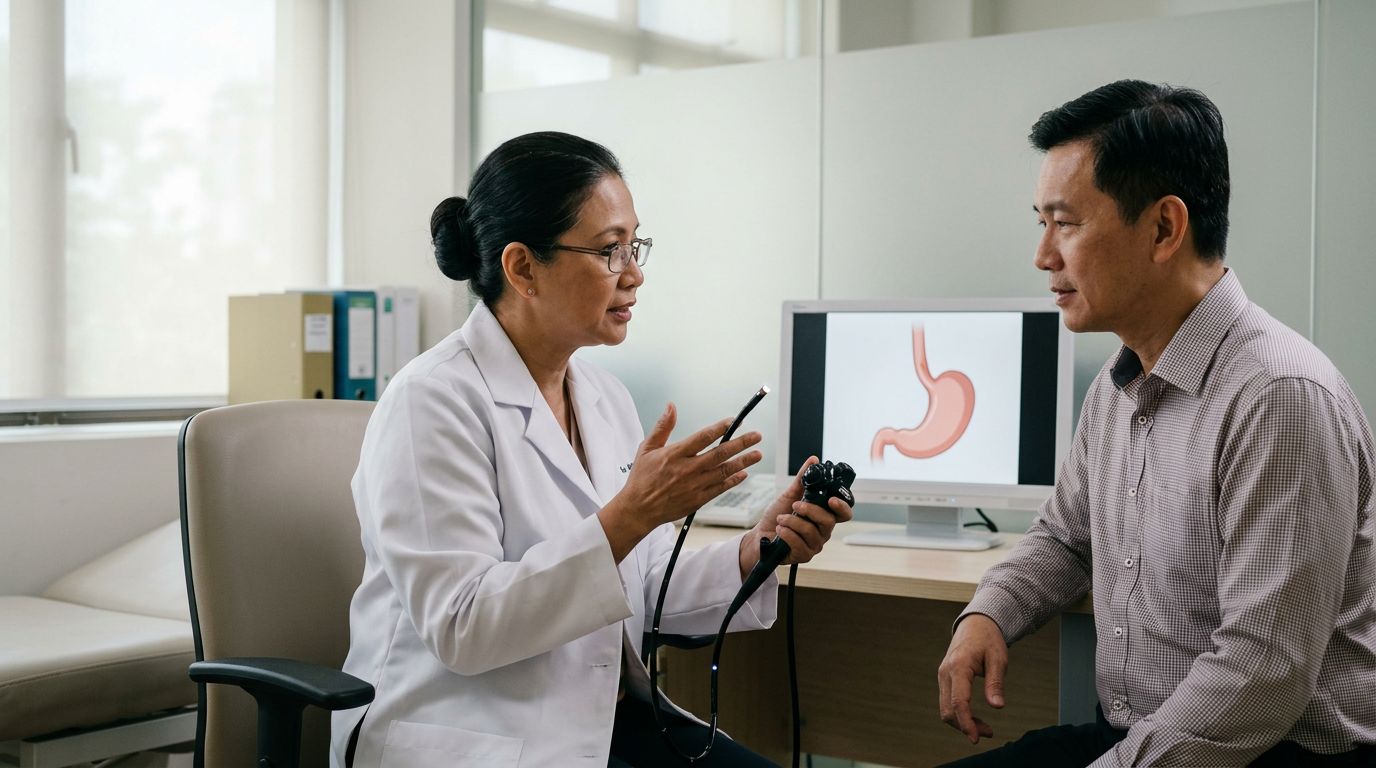
A colonoscopy differs from an upper endoscopy, also called OGDS or gastroscopy. The difference between OGDS and colonoscopy matters because colonoscopy needs bowel cleansing, while an upper scope examines the oesophagus, stomach, and first part of the small intestine.
During the procedure, you will lie on your side. Because it is a sedation procedure, it makes many people sleepy and relaxed, though the exact medicines depend on the facility and your health. You may feel brief pressure or bloating as the doctor uses air or carbon dioxide to open the bowel for a better view.
Afterward, you will rest in a recovery area until you are alert. Mild gas or bloating can happen for several hours. Get urgent medical help if you develop severe or worsening abdominal pain, heavy rectal bleeding, fever, fainting, or persistent vomiting after going home, which helps minimize any overall risk of complications.
Research on screening colonoscopy has also found that inadequate bowel preparation can affect cost-effectiveness because it may lead to repeat examinations. The PLOS One analysis of bowel preparation quality reinforces why the preparation instructions are part of the screening, not an optional extra.
Colonoscopy Cost in Malaysia and What to Ask About
The cost of a colonoscopy Malaysia depends on the hospital, doctor, city, sedation method, and whether the procedure becomes diagnostic or therapeutic. Published private-hospital packages can start around RM1,299 to RM1,500, while other listed packages are around RM2,000 to RM2,500 or more.
That initial figure may not include every charge. A straightforward health screening is different from a colonoscopy involving polyp removal, a biopsy, pathology testing, an anaesthetist, extra medicine, or an overnight stay.
Before booking, ask for a written cancer treatment cost or procedure quotation that separates the expected charges. You can ask whether the quote includes:
- Specialist consultation and facility fees
- Sedation or anaesthetist charges
- Scope and day-care charges
- Biopsy or polyp removal fees
- Histopathology and laboratory fees
- Follow-up consultation and medicine
Costs should not be the only factor when you compare cancer hospitals or endoscopy centres. Ask who performs the medical procedure, whether the centre handles polypectomy and biopsies on site, how results are communicated, and what happens if the doctor finds an abnormality.
A low advertised price can still be appropriate, but you need to know what it covers. The same applies if you are considering overseas cancer treatment or a cross-border medical review. Travel coordination can help with records and appointments, but your own doctor and the receiving specialist must decide whether a procedure or treatment is suitable.
If Polyps or Cancer Are Found
Most colonoscopy findings are not cancer. Colon polyps are common, and many are benign. Some types can develop into colon cancer over time, which is why removing and testing them matters. Your doctor will explain when you need another colonoscopy based on the number, size, type, and pathology of any polyps.
If the pathology confirms colorectal cancer, you may meet a colorectal surgeon, medical oncologist, radiation oncologist, or several members of a multidisciplinary team. Treatment is tailored to your cancer stage, tumour location, scans, biopsy results, pathology report, biomarkers, genetic testing, medical history, hospital availability, and oncologist assessment.
Colorectal cancer treatment options can include cancer surgery, chemotherapy, radiotherapy or radiation therapy, targeted therapy, immunotherapy, or a combination. Rectal cancer and colon cancer do not always follow the same sequence. For example, some rectal cancers may need radiation treatment before surgery, while treatment for colon cancer often focuses first on surgery when the disease appears localised.
Advanced cancer treatment may involve systemic medicines, symptom control, surgery in selected cases, or clinical trials. No single cancer treatment plan suits every person. Ask for your treatment plan review if you do not understand the order of treatment or the reason a particular option is recommended.
A cancer second opinion can be useful when the diagnosis is uncommon, the cancer has returned, treatment choices are complex, or you are considering a major operation. Bring your colonoscopy report, pathology slides if requested, scan images, test results, and current medication list. A second opinion may confirm the first plan or offer another perspective. It should support informed decisions, not delay urgent care without reason.
Questions to Ask Your Oncologist or Gastroenterologist
Write down your questions before the appointment. A family member can help take notes, especially when you are processing unexpected information to protect your digestive health.
Ask clear questions such as:
- Why do I need a colonoscopy now, and what are you looking for?
- How should I manage my regular medicines before the procedure?
- Does the estimated fee include sedation, biopsies, polyp removal, and pathology?
- When and how will I receive the colonoscopy and biopsy results?
- If a polyp is found, was it removed completely and when should I repeat screening?
- If cancer is confirmed, what cancer stage do I have and which tests are still pending?
- Should I meet a cancer specialist, and is a cancer second opinion reasonable?
- What factors led to this recommended treatment plan?
Good questions help you understand the recommendation and identify what information is still missing.
Conclusion
A colonoscopy can identify bowel changes before they become more serious, supporting proactive cancer screening and protecting your overall digestive health by providing the tissue information needed after an abnormal finding. Careful preparation, a clear cost discussion, and complete medical records will help you approach the appointment with fewer uncertainties.
If your doctor recommends screening or investigation, treat the appointment as a practical step toward clearer answers. Colonoscopy Malaysia services vary by facility, but your individual risk and the quality of clinical assessment should guide the decision.
Frequently Asked Questions
Is colonoscopy painful?
Most people receive sedation, so they are sleepy or do not remember much of the procedure. You may feel temporary pressure, cramping, or bloating. Tell the team if you are anxious, have had a difficult procedure before, or have concerns about sedation.
How long does recovery take?
You can usually go home on the same day after recovery monitoring. However, avoid driving, operating machinery, signing important documents, drinking alcohol, or returning to work that needs full concentration until the next day if you had sedation. If you experience heavy rectal bleeding, severe abdominal pain, or a fever, contact your doctor right away.
Can a colonoscopy miss cancer?
No test is perfect. Poor bowel preparation, incomplete examination, and small or hard-to-see lesions can affect detection. Following the preparation plan and attending recommended follow-up tests reduces this risk.
Does finding a polyp mean I have colon cancer?
No. Many colon polyps are not cancer. The laboratory result identifies the polyp type and guides the timing of your next screening. Your doctor will contact you about any result that needs further assessment.
Do I need a second opinion after a positive biopsy?
You do not always need one, but it can be helpful before major cancer surgery or complex cancer treatment. Ask your treating doctor how quickly a second review can be arranged without delaying care.
Medical disclaimer: This content is for general information only and may not be fully verified or applicable to every patient. It is not medical advice, a diagnosis, or a treatment recommendation. Consult your own doctor, oncologist, or qualified healthcare professional before making any medical decision. SureLah does not take responsibility for medical decisions, treatment outcomes, doctor recommendations, hospital decisions, or patient actions based on this article.