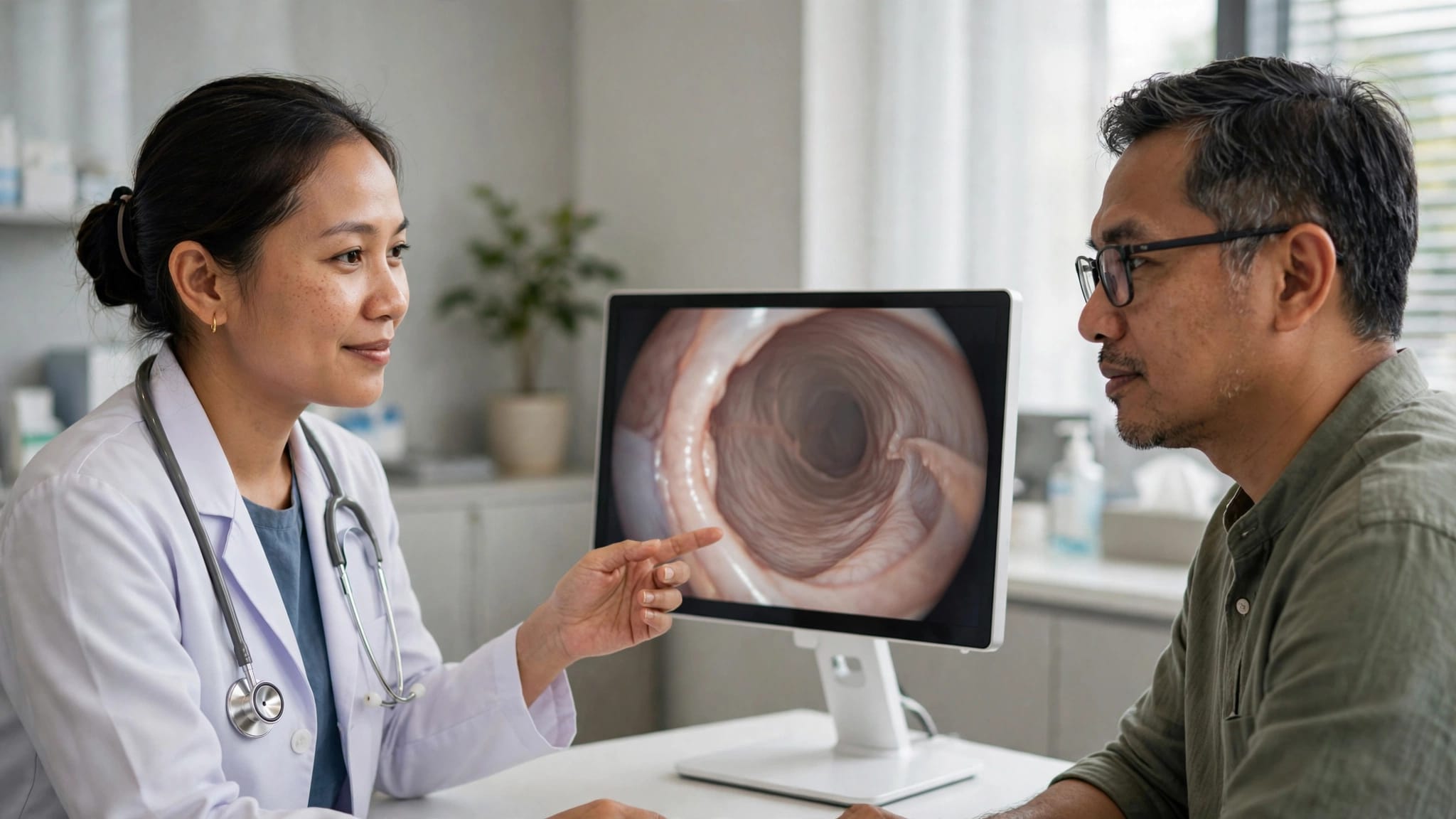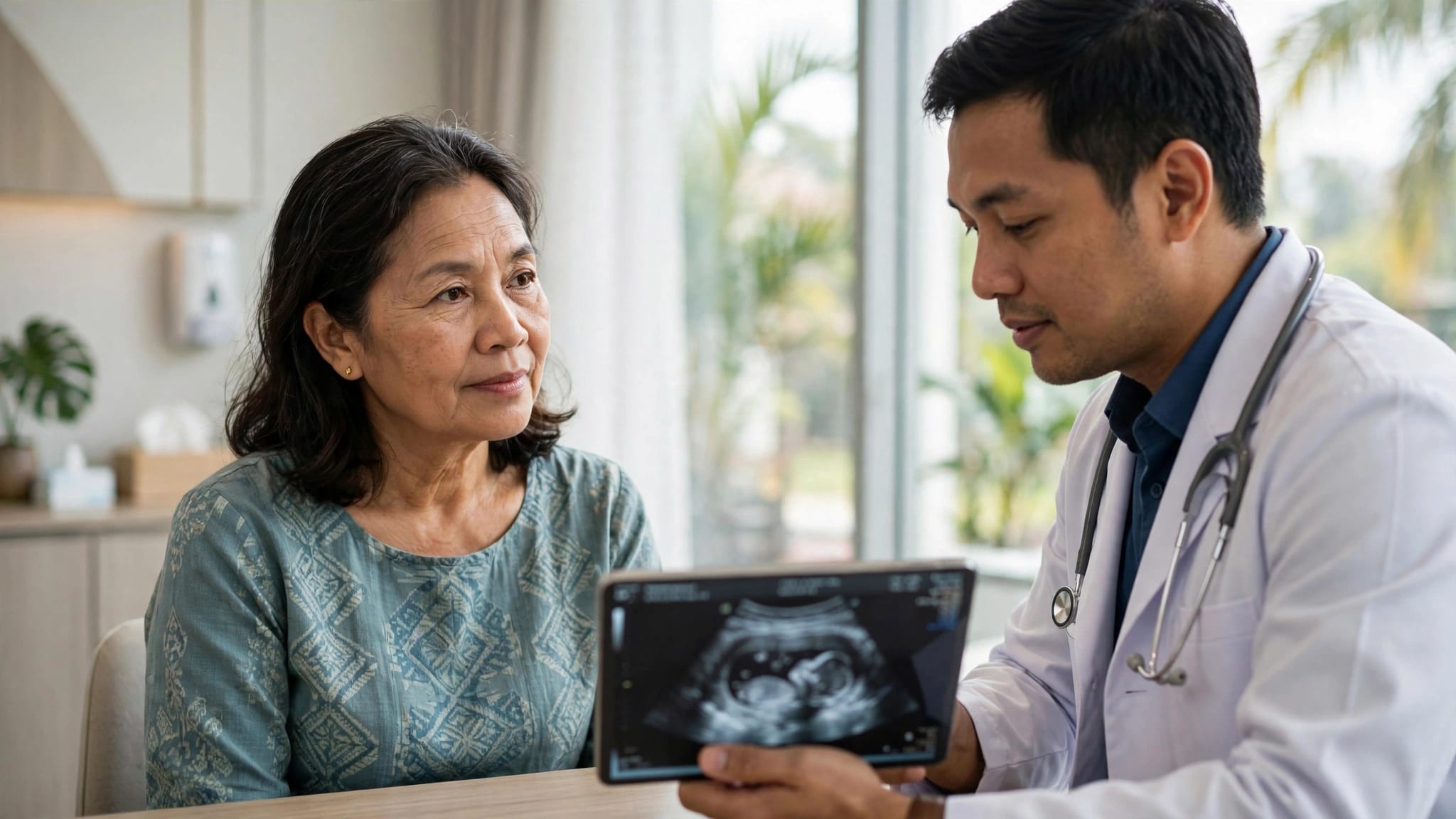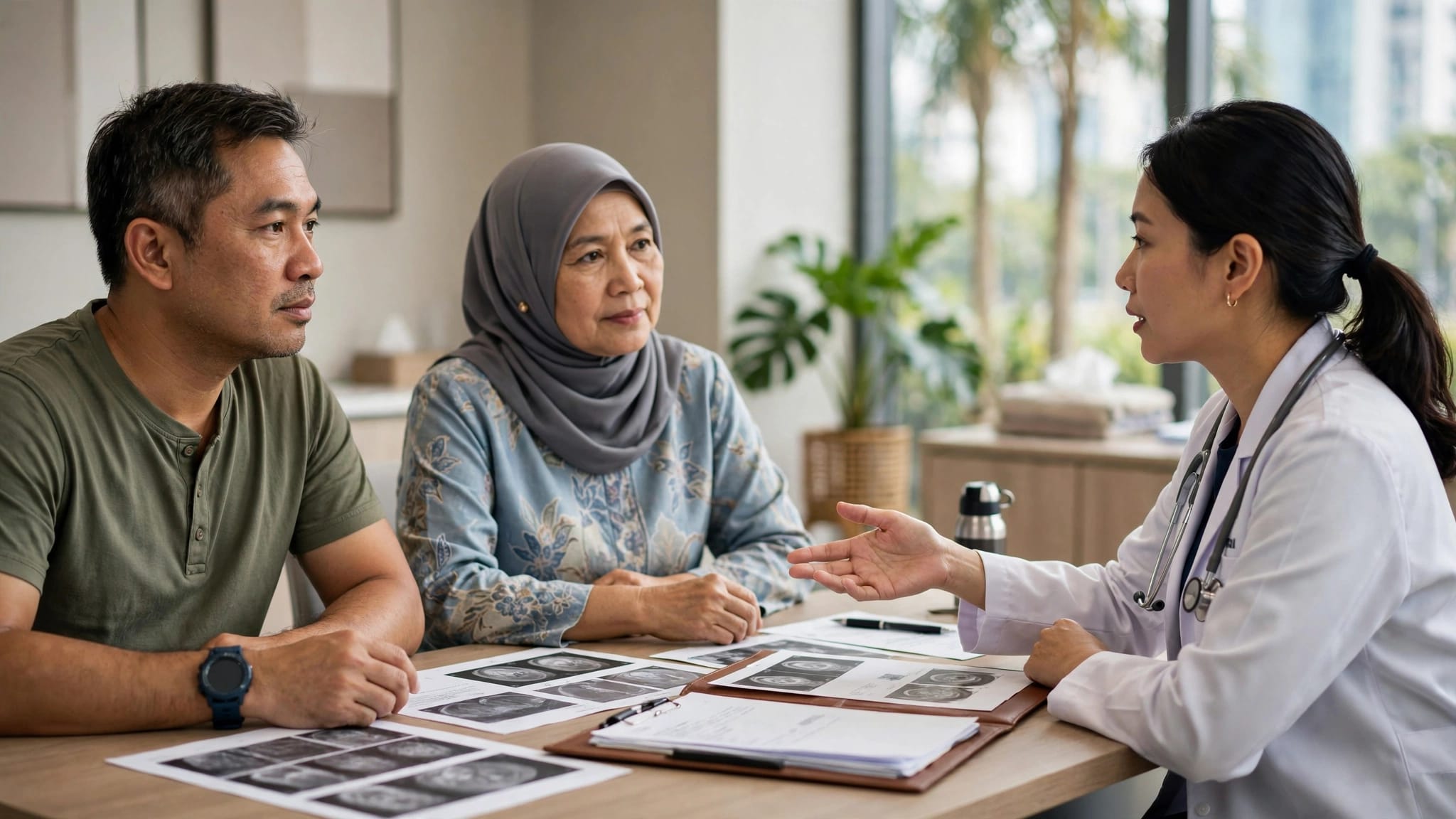
A cancer diagnosis can make every decision feel urgent, especially when surgery, chemotherapy, or radiotherapy has been recommended. A cancer second opinion Malaysia consultation can help you confirm the diagnosis, understand the proposed plan, and prepare for a major decision with clearer information.
After an initial diagnosis, you don’t need to wait until you disagree with your first doctor. Another qualified specialist may confirm the existing recommendation, clarify the reasoning, request further tests, or discuss another medically appropriate approach.
Key Takeaways
- A cancer second opinion in Malaysia can confirm your diagnosis, clarify the proposed treatment plan, or identify other medically appropriate options.
- Prepare complete records, including pathology and biopsy reports, tissue slides or blocks, scan images and reports, blood tests, biomarker results, medicine lists, and previous treatment details.
- Request records early from your hospital and ask whether documents or pathology material should be sent directly to the reviewing specialist.
- Choose a qualified specialist whose experience matches your cancer type, and ask whether a multidisciplinary tumour board review would be useful for a complex case.
- A second opinion may confirm the original recommendation; discuss timing, treatment urgency, side effects, costs, and quality of life with your treating team before making changes.
Quick answer: what to bring to a second opinion
For a useful second opinion consultation, bring complete medical reports rather than a short verbal summary. The clinical oncologist needs to see how your diagnosis was reached, what your cancer stage may be, and what treatment has already been discussed. If you are also comparing where to seek care, our cancer hospital Malaysia guide explains services, waiting times and questions to ask.
Prepare these five essentials:
- Bring clinic letters, referral notes, discharge summaries, and the proposed cancer treatment plan or quotation.
- Include the biopsy reports, full pathology report, and details about where tissue slides or blocks are held.
- Provide scan reports and the original CT, MRI, PET, ultrasound, mammogram, or X-ray images on disc, USB drive, or secure image link.
- Add recent blood tests, tumour marker results where relevant, biomarker testing, and genetic testing reports.
- Carry a current medicine list, including supplements, allergies, previous cancer treatment, and important medical conditions.
Written scan reports are helpful, but the original images often give the reviewing specialist more information to assess the finding in context.
When the cancer treatment plan or diagnosis feels unclear
Seeking a second opinion in oncology doesn’t mean your first doctor has made a mistake. Cancer care often involves several valid choices, and different specialists can explain the same evidence in different ways.
Before a major or irreversible treatment
Consider another specialist opinion for cancer before major surgery, a long course of radiation therapy, or a treatment with substantial cost or side effects. It can be particularly helpful when the diagnosis involves a rare cancer, the pathology is difficult to interpret, or the cancer is close to an organ where treatment may affect function.
A clinical oncologist may review your diagnosis and proposed care. For complex cases, ask whether a tumour board review would be appropriate.
For example, breast cancer treatment may involve decisions about breast-conserving surgery, mastectomy, chemotherapy timing, radiation, hormone therapy, or targeted therapy. For lung cancer treatment, the choice may depend on biopsy findings, tumour location, lung function, and whether surgery is possible.
When the diagnosis or treatment path feels unclear
Ask for an oncology second opinion if the cancer stage has changed, scan findings conflict with pathology results, or you don’t understand why one option is recommended over another. You may also want a review after cancer returns or spreads.
Stage 3 cancer treatment options or Stage 4 cancer treatment options may require careful discussion of symptoms, treatment effects, and quality of life. A specialist may also determine whether further record review or testing is relevant to clinical trials, though eligibility and suitability vary.
Another doctor may agree completely with the first plan or identify alternative treatment options, depending on your individual findings. That confirmation can still help you proceed with confidence. The Memorial Sloan Kettering overview of cancer second opinions also describes how an independent review can be useful for both common and rare cancers.
Records to prepare for a cancer second opinion Malaysia consultation
Start organising your records and medical reports as soon as you book the appointment. Ask the receiving clinic what format it accepts and whether it needs documents in advance. Some specialists want pathology material sent directly between hospitals before they see you.

Pathology, biopsy, and laboratory results
Your pathology report identifies the tissue examined after a biopsy for cancer or surgery. It may describe the cancer type, grade, margins, receptors, and other features that affect diagnosis and treatment.
Bring the original biopsy report and any pathology review already completed. Ask whether the second centre requires glass slides, paraffin tissue blocks, or both. Keep a copy of the transfer request and confirm where the material is being sent.
For some cancers, biomarker testing affects treatment decisions. Examples include hormone receptor and HER2 testing in breast cancer, molecular testing in lung cancer, and selected genetic or genomic tests. These results can guide discussions about immunotherapy, targeted therapy, hormone therapy, or chemotherapy. A clinical oncologist may also use them to assess whether further testing or relevant clinical trials should be discussed, but only your treating team can determine whether a treatment is suitable.
The University of Chicago Medicine guidance on pathology slides explains why both the written report and the original tissue material may be requested for review.
Scan images and reports
Gather every relevant imaging test result and the actual images. This may include CT scan for cancer, MRI scan for cancer, PET scan for cancer, ultrasound, mammogram, bone scan, or X-ray results.
Put scans in date order so the specialist can compare changes over time. If you have only a written report, contact the radiology department for the DICOM images or the hospital’s secure sharing link. A scan report without images may not show the full picture needed for cancer staging or surgery planning.
Also include blood counts, kidney and liver function tests, tumour marker tests, and results of any procedures. If you have already started treatment, add chemotherapy charts, radiotherapy summaries, operation notes, and records of side effects.
The receiving centre may request these records for multidisciplinary tumour board review. If you need non-clinical help arranging a complete file for review, Explore Medical Report Review Support. This type of coordination support can help you organise records, while diagnosis and treatment recommendations remain with qualified doctors.
Getting medical records in Malaysia without losing time
The public sector and private sector have different processes for releasing records. Begin early, but don’t postpone urgent care without discussing the timing with your clinical oncologist.
Asking your current doctor respectfully
You can say that you would like another perspective before making a major decision. Most doctors understand that patients and families may need more information. Ask for a referral letter that states the diagnosis, current cancer stage, tests completed, and recommended treatment.
Keep the conversation practical. Ask which records you should request, whether pathology slides need a formal release, and whether your clinical oncologist considers any treatment time-sensitive. A respectful request supports continuity of care and helps prevent gaps in diagnosis and treatment.
Managing public and private hospital processes
Ask the hospital’s medical records office about copies, authorisation, and release procedures. Radiology departments may also handle imaging requests, often after forms and fees are completed. In public hospitals, record requests and slide transfers can take longer because they may require approvals between departments.
Bring your MyKad or passport, patient registration number, appointment card, and written authorisation if you’re collecting records for a relative. Ask for receipts and the expected collection date. If the appointment is soon, ask whether the hospital can send records directly to the second specialist.
Save digital copies in a secure folder, but keep original documents and scan media. Mayo Clinic’s tips for seeking a second opinion also recommends bringing records, notes, scans, and details of previous treatment to help the consultation stay focused.
How the specialist uses your records
A medical report review is more than checking whether a diagnosis has a familiar name. The specialist considers how the findings fit together and whether the proposed plan matches your individual clinical situation.
Diagnosis, staging, and treatment planning
Cancer stages describe how far a cancer has grown or spread, but staging may change as more information becomes available. The clinical oncologist may review the pathology, scan images, lymph node findings, biomarkers, overall health, and previous treatment.
For early-stage disease, including some Stage 2 cancer treatment options, the question may be whether surgery should come first or whether treatment before surgery is appropriate. In advanced cancer, the focus may include controlling disease, symptoms, treatment side effects, and quality of life.
Complex cases may also be reviewed by a tumour board. No treatment method is automatically right because it is newer or more expensive. Cancer surgery, chemotherapy, radiotherapy, immunotherapy, and targeted therapy each have different roles depending on the cancer type, location, stage, and tumour biology.
A complete record review may also help determine whether relevant clinical trials can be discussed. This doesn’t guarantee eligibility or access.
Multidisciplinary tumour board review
Complex cases may benefit from a multidisciplinary tumour board. This is a meeting where specialists such as surgeons, medical oncologists, a clinical oncologist, radiologists, pathologists, and other professionals discuss a patient’s case.
A tumour board can help coordinate treatment sequence and identify questions that need clarification. It doesn’t replace your own consultation, and it doesn’t guarantee a different recommendation. However, it can provide a broader review when several specialties need to be involved.
Choosing a specialist and comparing care settings
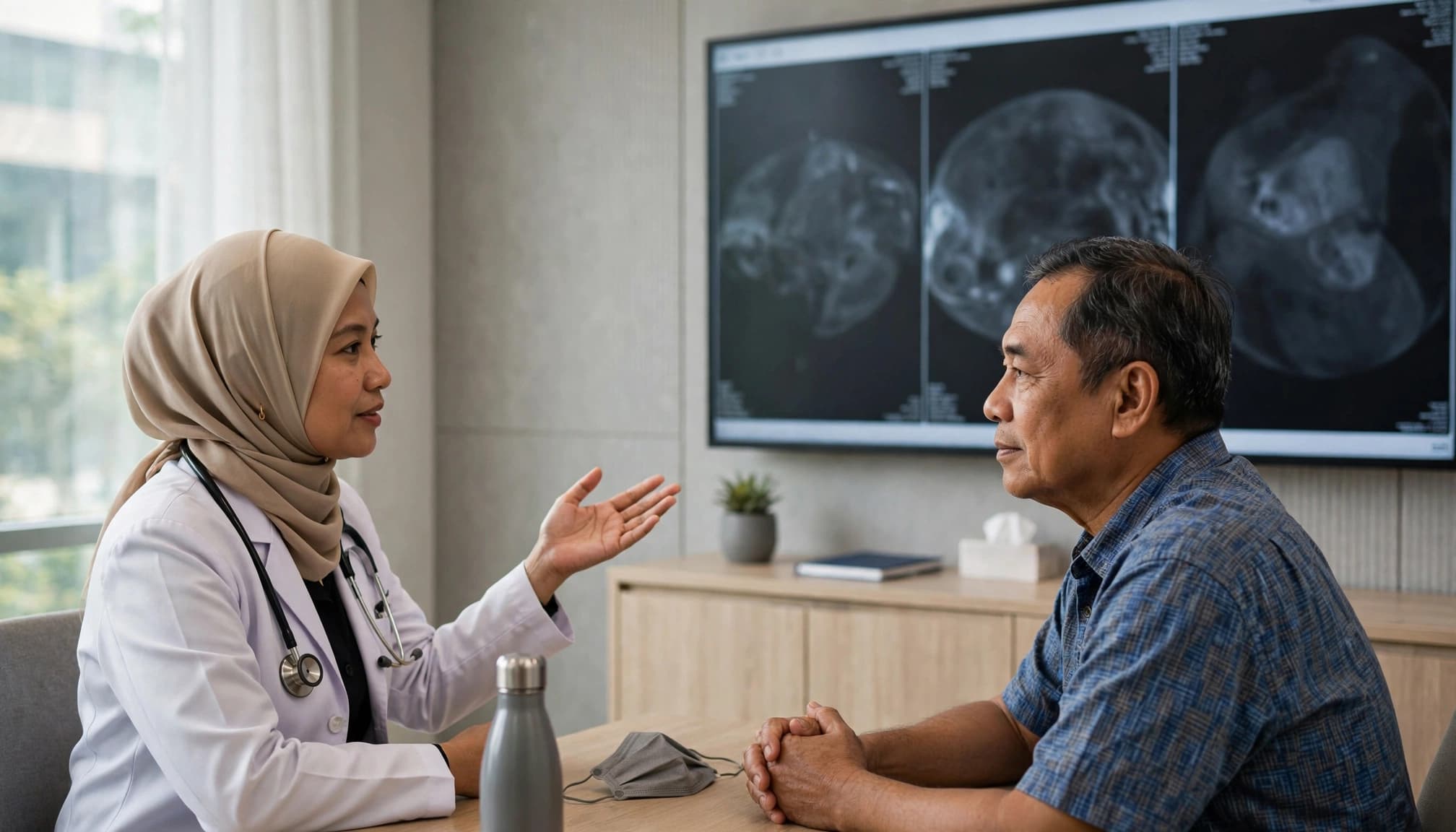
Look for a doctor whose specialty fits your diagnosis. Medical oncology, clinical oncology, surgical oncology, haematology, and organ-specific surgery each cover different parts of cancer care. Ask whether the doctor is a clinical oncologist who regularly manages your cancer type.
You can check a doctor’s registered specialty through Malaysia’s National Specialist Registry. Ask the clinic whether a pathology review or tumour board discussion is available for multidisciplinary case review.
Different cancer hospitals may have different specialists, laboratory services, treatment availability, appointment timing, and supportive care. Ask whether the hospital has a tumour board and the services needed for your diagnosis. Cancer treatment cost can also vary because quotations may include different tests, medicines, hospital stays, and professional fees. Request an itemised estimate and ask what follow-up costs may arise, including care that supports quality of life.
Some families consider overseas cancer treatment to access a particular specialist, clinical trials, or a specific service. Ask about medically relevant trials, but don’t assume you qualify. Discuss the medical reason first, including follow-up plans after returning to Malaysia and how care will continue throughout your treatment journey. Quality of life and practical support can differ between local and overseas settings. Explore Overseas Hospital Options for hospital-enquiry and medical-travel coordination information. Care abroad is not automatically more appropriate than suitable treatment available locally.
Questions to ask during your oncology consultation
Write your questions down and bring a caregiver if you’d like support remembering the answers. Your clinical oncologist can help you understand cancer treatment options without rushing the discussion:
- What does my pathology report confirm, and should the biopsy slides be reviewed again?
- What cancer stage are you using, and which tests support that assessment?
- What is the purpose of the recommended treatment, and how urgent is the decision?
- Are there alternative treatment options based on my findings, or is the current plan standard for my situation?
- Would further biomarker testing, genetic testing, or another scan affect the treatment plan review?
- Is my case suitable for a multidisciplinary tumour board discussion?
- What side effects and practical commitments should I prepare for, and how might the plan affect my daily life and quality of life?
- Are there clinical trials that are medically relevant to my situation and should be discussed?
- Are there advanced cancer treatment services that may be medically relevant for me?
Complementary cancer therapies, such as counselling, nutrition support, physiotherapy, or mindfulness, may help with wellbeing when used alongside medical care. They don’t replace evidence-based oncology treatment. Don’t stop or delay prescribed treatment based on alternative cancer treatment claims without speaking to your oncologist.
Frequently asked questions
Will my first doctor be offended by a second opinion?
Most doctors understand that you may want to confirm a cancer diagnosis or review a major treatment decision. Tell your doctor you want to understand the plan fully and ask for help obtaining the relevant records.
Do I need every document before booking?
Book promptly, then ask the second clinic which records it needs before the visit. Start with pathology reports, scan images, clinic letters, and the proposed treatment plan. The clinic may request additional material after an initial review.
Can a second opinion reduce treatment intensity?
Sometimes a specialist may suggest a different sequence, further testing, or a less intensive approach when it is medically appropriate. In other cases, the specialist may confirm that the original treatment is appropriate. The decision depends on your individual findings.
Should I compare cancer treatment quotations?
Yes. Ask each hospital for an itemised cancer treatment quotation and clarify what it includes. Compare the clinical plan as well as costs, appointment availability, insurance requirements, and follow-up arrangements.
A clear record set supports better decisions
A complete record set gives a second specialist the best chance to review your cancer diagnosis, pathology, scans, and proposed treatment fairly. It also helps you ask informed questions without repeating tests unnecessarily.
A cancer second opinion may confirm the path you are already on, clarify uncertain details, or identify further assessment worth discussing. The most useful next step is a timely conversation with your own doctor and a qualified cancer specialist.
Medical disclaimer: This article is for general educational information only and may not apply to every patient. It is not medical advice, a diagnosis, or a treatment recommendation. Cancer treatment decisions depend on individual clinical circumstances, and you should consult your own doctor, oncologist, or qualified healthcare professional before making medical decisions.