
Fresh paint can make an ageing home look ready to move into, while leaks and wiring problems remain unnoticed. Before buying a subsale property, a home inspection in Malaysia can help you assess its condition and likely repair needs through a home defect inspection.
Your priority is checking before committing, rather than discovering expensive problems after handover. Start with the inspection’s scope, then examine the unit, building and written purchase terms.
Quick Answer
Arrange an independent home defect inspection before committing where possible, with the seller’s permission and working water and electricity. Check damp, cracks, roof drainage, electrical and plumbing systems, doors, windows and shared areas.
A typical inspection is visual and non-invasive, so concealed defects may remain undetected. Use the findings to seek specialist advice, estimate repair costs and negotiate written terms.
Key Takeaways
- Inspect before signing or paying a non-refundable deposit where possible.
- Treat a visual inspection as a condition assessment, not a guarantee against hidden defects.
- Check common areas and management records when buying strata property.
- Refer structural concerns and unsafe electrical installations to qualified specialists.
- Confirm repair promises, title matters and financing separately with your professional advisers.
What a Home Inspection Can and Cannot Reveal
A property defect inspection usually covers accessible surfaces and available fittings, without opening walls, lifting tiles or dismantling equipment. A routine building inspection may be limited by furniture, locked rooms and inaccessible roof spaces.
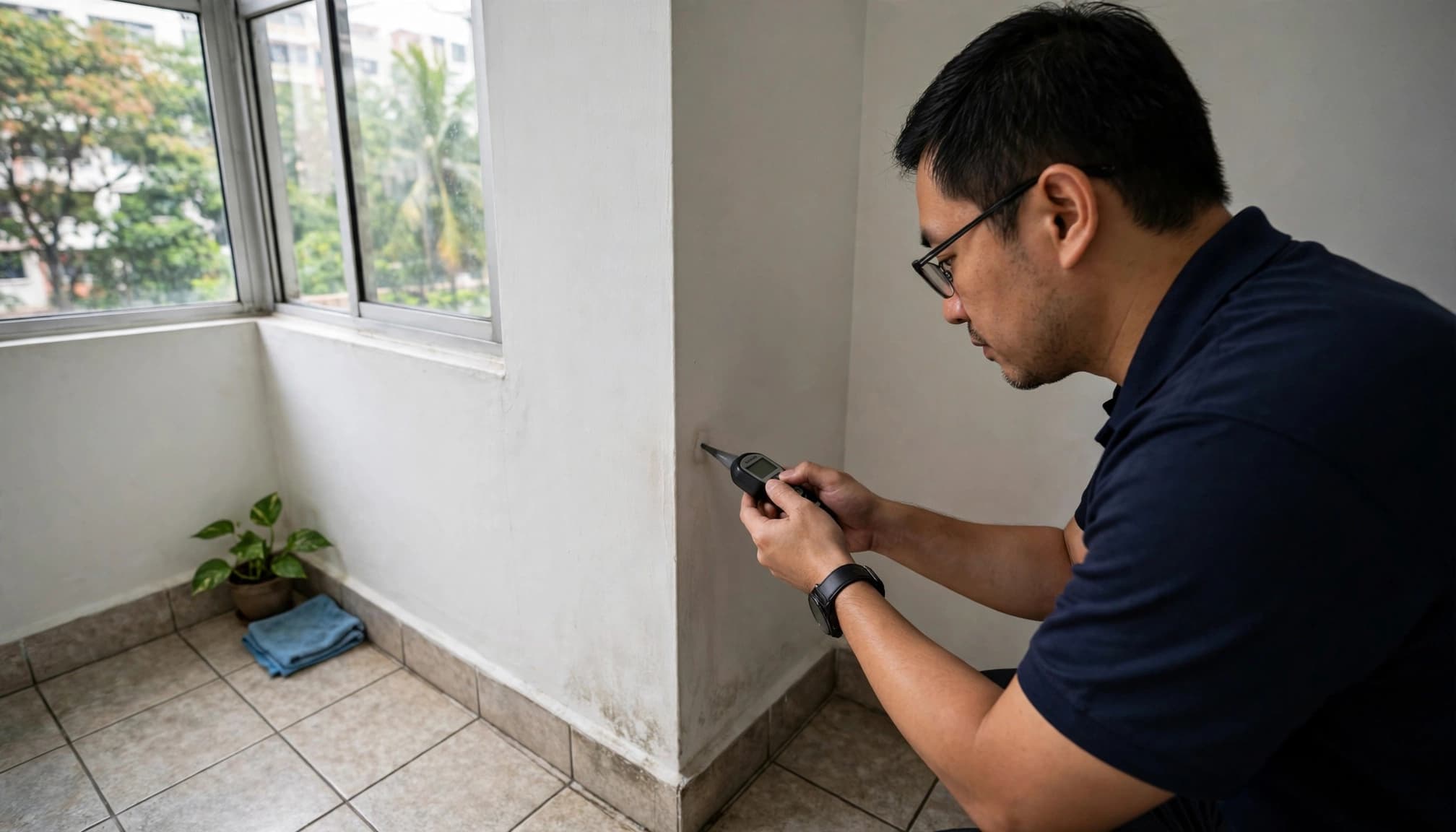
A moisture meter flags unusual readings, while thermal imaging highlights temperature differences for further investigation. These screening tools don’t establish the cause of every leak or detect every concealed problem.
CIDB Malaysia’s CIS 7:2021 workmanship assessment framework uses QLASSIC standards to assess construction quality. A routine property inspection doesn’t certify structural safety.
Also assess daily living conditions. SureLah’s guide to overlooked home-buying checks covers noise, traffic and other issues that a defect report may not address.
Check Damp, Cracks and Interior Finishes
Look for water leakage and moisture damage
Examine ceilings below bathrooms, window corners, external-facing walls and the backs of accessible cabinets. Brown staining, peeling paint, swollen timber and musty smells may signal water leakage and warrant further investigation.
Ask about previous leaks, waterproofing work and repair invoices. Fresh paint over one patch deserves questions, but it doesn’t prove concealment.
If possible, revisit after heavy rain because intermittent leakage may not appear during a dry-day inspection. However, even a rainy visit cannot confirm that every roof or waterproofing detail is sound.
A dry wall during one visit doesn’t establish that a recurring leak has been permanently repaired.
Assess cracks, tiles, doors and windows
Photograph cracks and record their locations. Fine plaster cracking can be superficial, while displaced surfaces, repeated diagonal cracks or cracks beside distorted openings need closer assessment.
Ask a qualified structural engineer to assess suspected movement, sagging or exposed reinforcement. Don’t rely on crack width alone to decide whether damage is serious.
Check floor finishes for loose or hollow-sounding tiles, uneven flooring and deteriorated sealant. Then open doors and windows to examine alignment, locks, hinges and drainage openings.
Sticking doors can result from worn hardware, moisture or movement. Your inspector should identify the symptom and recommend further investigation where needed.
Test Electrical and Plumbing Systems Safely
Electrical checks require clear boundaries
Ask whether the scope includes accessible sockets, switches, the distribution board and basic safety testing. Look for damaged fittings, scorch marks, exposed conductors and undocumented changes to electrical wiring.
Socket testers can identify some faults, but they can’t verify every cable concealed inside walls. Thermal imaging may screen for unusual heat, but neither it nor a working light establishes that a circuit is safe.
For repeated tripping, suspected poor earthing or older modified wiring, engage an appropriately qualified electrical professional. Don’t open electrical panels yourself. Also ask whether proposed air conditioners and water heaters require installation upgrades.
Check water supply, fittings and drainage
With permission, run taps, flush toilets and check beneath sinks for leakage. Compare water flow at several outlets and observe whether basins and showers drain properly.
Inspect sanitary fittings, pipe joints and bathroom floor edges. Slow drainage, recurring smells or damp around pipe routes may require a plumber’s investigation.
Ask before conducting any ponding test because it can cause leakage into neighbouring units. Also confirm whether larger mechanical and electrical systems, including tanks and pumps, and concealed pipes fall outside the quoted scope.
Inspect the Roof and External Drainage
For a landed property, a building inspection can cover accessible roof details, gutters, downpipes, exterior walls and drains. Look for staining beneath eaves, broken roof coverings, blocked channels and water pooling beside the house.
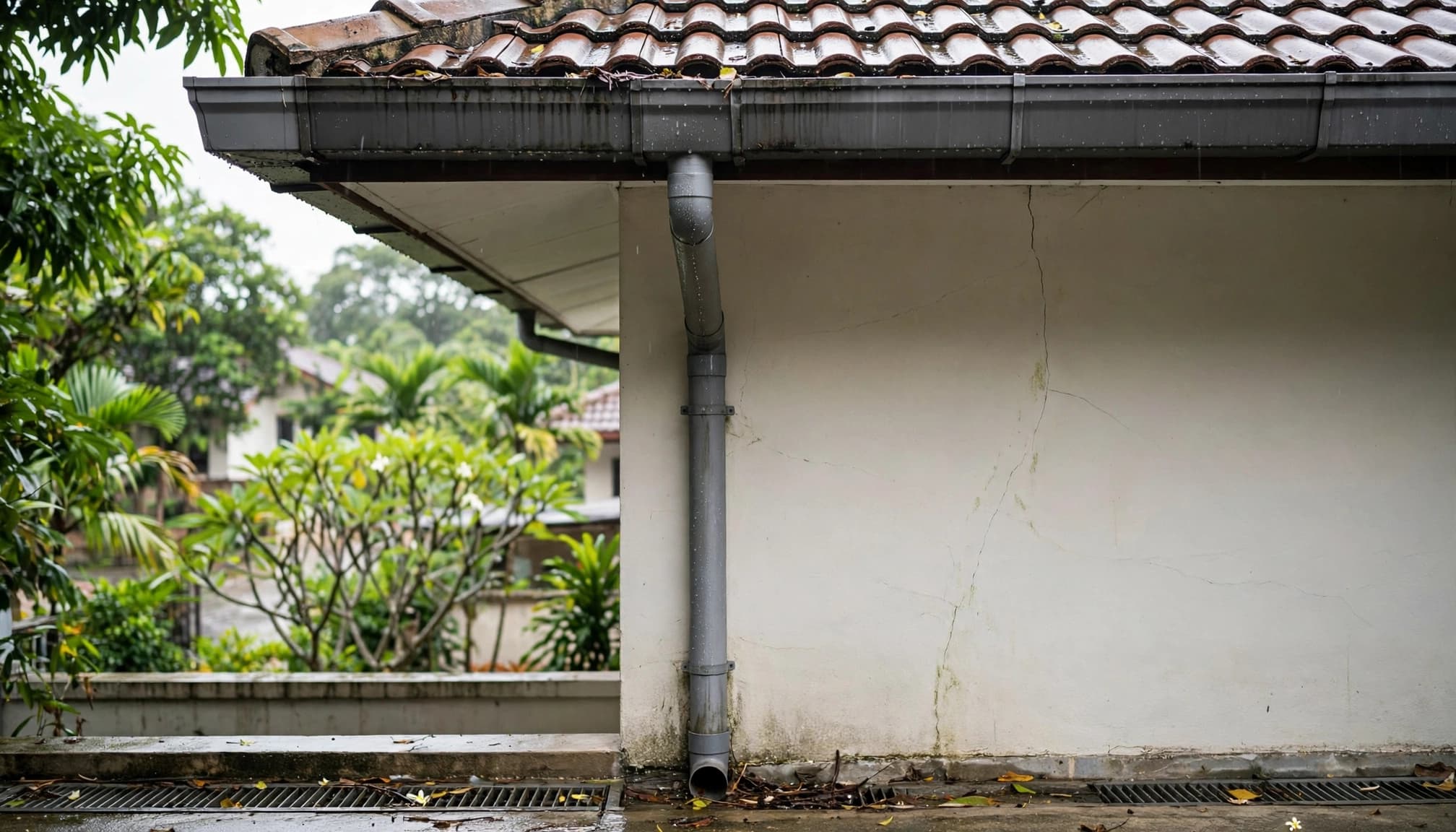
Ask how the inspector will assess inaccessible roofing. Ground-level observations cannot confirm every flashing, roof joint or concealed timber condition.
Where concerns remain, arrange a roofing specialist’s assessment rather than climbing onto the roof yourself. Ask about flood history and examine nearby drainage, but recognise that one visit cannot establish future flood risk.
Check extensions, too. Their physical condition and approval status require separate verification.
Look Beyond the Unit in Strata Properties
A unit check isn’t a full condominium inspection: a tidy home can sit within a poorly maintained building. Walk through corridors, staircases, parking areas and accessible facilities.
Look for persistent damp, concrete deterioration, damaged railings and neglected drainage. Observe lift operation, but a normal ride doesn’t verify the technical condition of mechanical and electrical systems.
Ask the Joint Management Body (JMB) or Management Corporation (MC) about recurring leaks, planned major repairs and special charges. Request available maintenance, sinking fund and meeting records.
SureLah’s guide to checking condominium management helps you assess these wider responsibilities.
Clarify who must investigate each defect. Leakage involving another parcel or common property can require management involvement; it may not be something the seller can resolve alone.
Choose an Inspector by Scope, Not Price Alone
Verify qualifications and reporting standards
Ask who will inspect your property, whether they’re professional inspectors, and what experience they have with older subsale homes. Request a sample written report showing photographs, locations, scope, limitations and recommended follow-up for a home defect inspection.
An inspector may refer to QLASSIC standards, but CIDB’s QLASSIC system assesses workmanship quality. That reference doesn’t establish an inspector’s professional registration or engineering qualifications.
Also check independence, insurance where applicable, service coverage and exclusions. If serious structural concerns already exist, seek a qualified engineer rather than expecting a standard defect package to settle them.
Confirm fees, timing and included tests
Malaysia Home Inspection publishes a RM500 net basic charge, subject to property type, built-up area and location. Its stated onsite estimate is two to four hours, with PDF reports in three to five working days.
These are provider-specific figures, not a national tariff or guaranteed condominium inspection duration.
Get a written quotation for your apartment or landed home. Confirm whether the property defect inspection covers the unit only or a broader inspection, and whether roof access, specialist testing and follow-up visits are included. Ask whether thermal imaging is included.
Check whether the service covers the Klang Valley, and what travel charges apply outside the Klang Valley. Finally, allow enough time to receive the report before any purchase deadline.
Use the Report Before Agreeing to Repairs
Turn findings into written purchase terms
After a home defect inspection, separate urgent safety concerns, defects needing diagnosis and cosmetic repairs. Then get suitable quotations to estimate repair costs before deciding whether the purchase still fits your budget.
You can discuss seller repairs or a price adjustment, but neither outcome is automatic. A written report supports negotiation, but it doesn’t oblige the seller to accept your proposal.
Have your lawyer record agreed work, deadlines and verification arrangements. SureLah’s guide to property SPA clauses explains why verbal promises and included fixtures need careful documentation.
Reinspect agreed repairs and the home’s condition before handover.
Don’t assume a developer warranty applies
The defect liability period (DLP) applies to covered developer agreements and runs according to their terms after vacant possession. The Housing Development Act 1966 provides the statutory context, but an owner-to-owner subsale is a different transaction.
Agreement versions and applicable rules matter, so ask your lawyer to confirm the relevant period and remedies. Don’t assume resale creates a new DLP or automatically transfers warranty claims or enforceable repair rights.
An inspection also doesn’t replace title searches, ownership checks, renovation-approval verification or home loan assessment. Your banker and lawyer must address those separately.
Frequently Asked Questions
Should you attend the home inspection?
Attend if possible, especially for the final verbal briefing. You can see each concern, ask about inaccessible areas and distinguish observed defects from suspected causes.
Beforehand, arrange seller permission, access and working utilities. Otherwise, the inspector may have to exclude important tests.
Can you use the report in a dispute?
A photo-documented report can support discussions and provide a record of observed conditions. However, it isn’t automatically conclusive evidence of liability or a court-ready expert opinion.
If a dispute develops, ask your lawyer whether you need a specialist assessment or formal expert report.
When should you postpone a buying decision?
Seek clarification before proceeding if the inspection identifies suspected structural movement, unsafe wiring, unexplained recurring leaks or inaccessible areas with significant warning signs.
Also reconsider your timing if you cannot obtain repair estimates or clear written terms. Inspection findings should inform your decision before contractual deadlines limit your options.
Buy With a Clearer Picture of the Home
A useful home inspection provides a written report of accessible conditions and identifies concerns needing further investigation. Its strongest value is helping you assess repair responsibilities and repair costs before committing.
Combine the report with specialist advice, legal checks and financing review. A well-presented home still needs all three.
This information is educational, not financial or legal advice. Consult your own lawyer, banker and qualified property professionals before making a purchase decision.