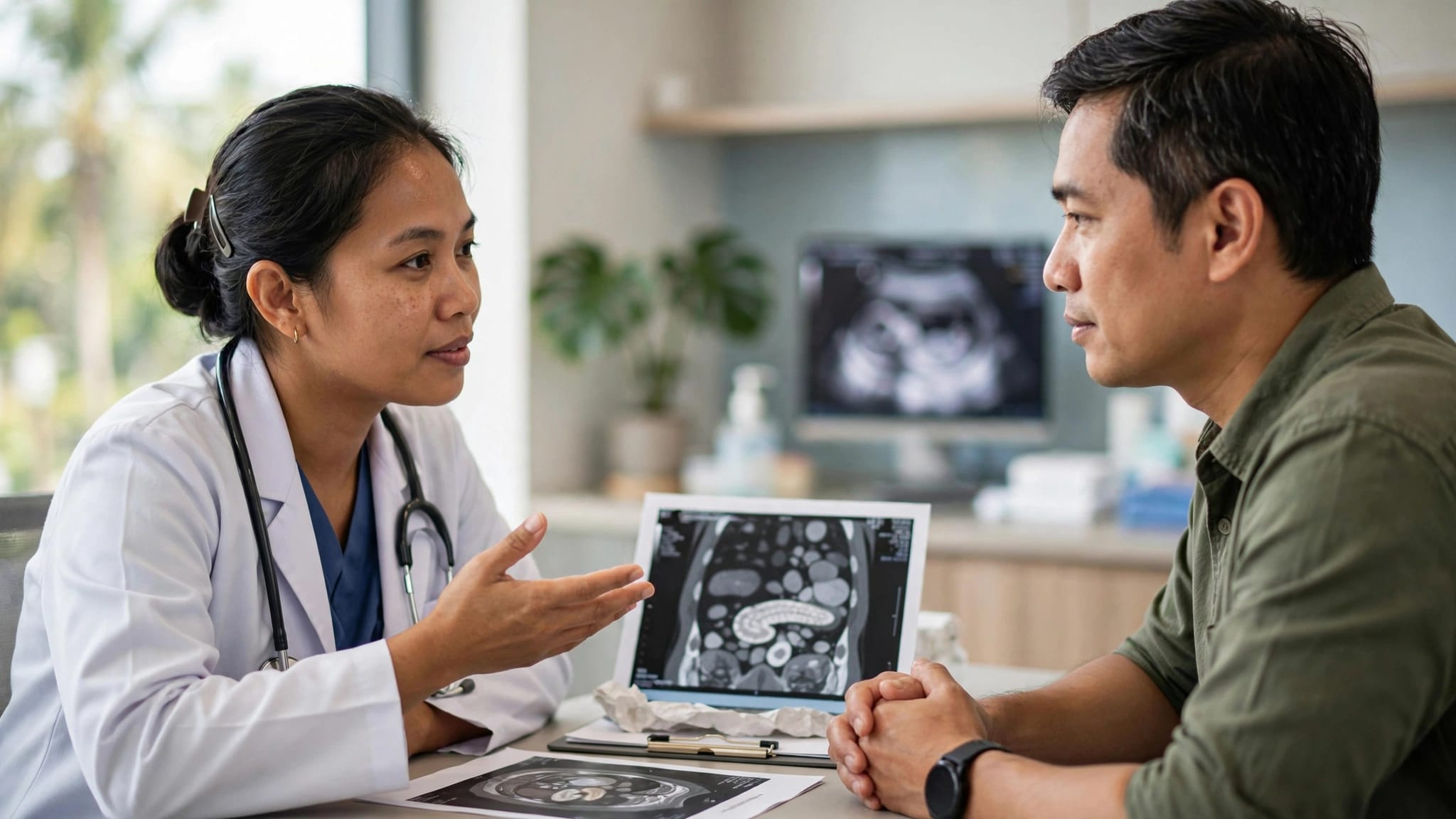
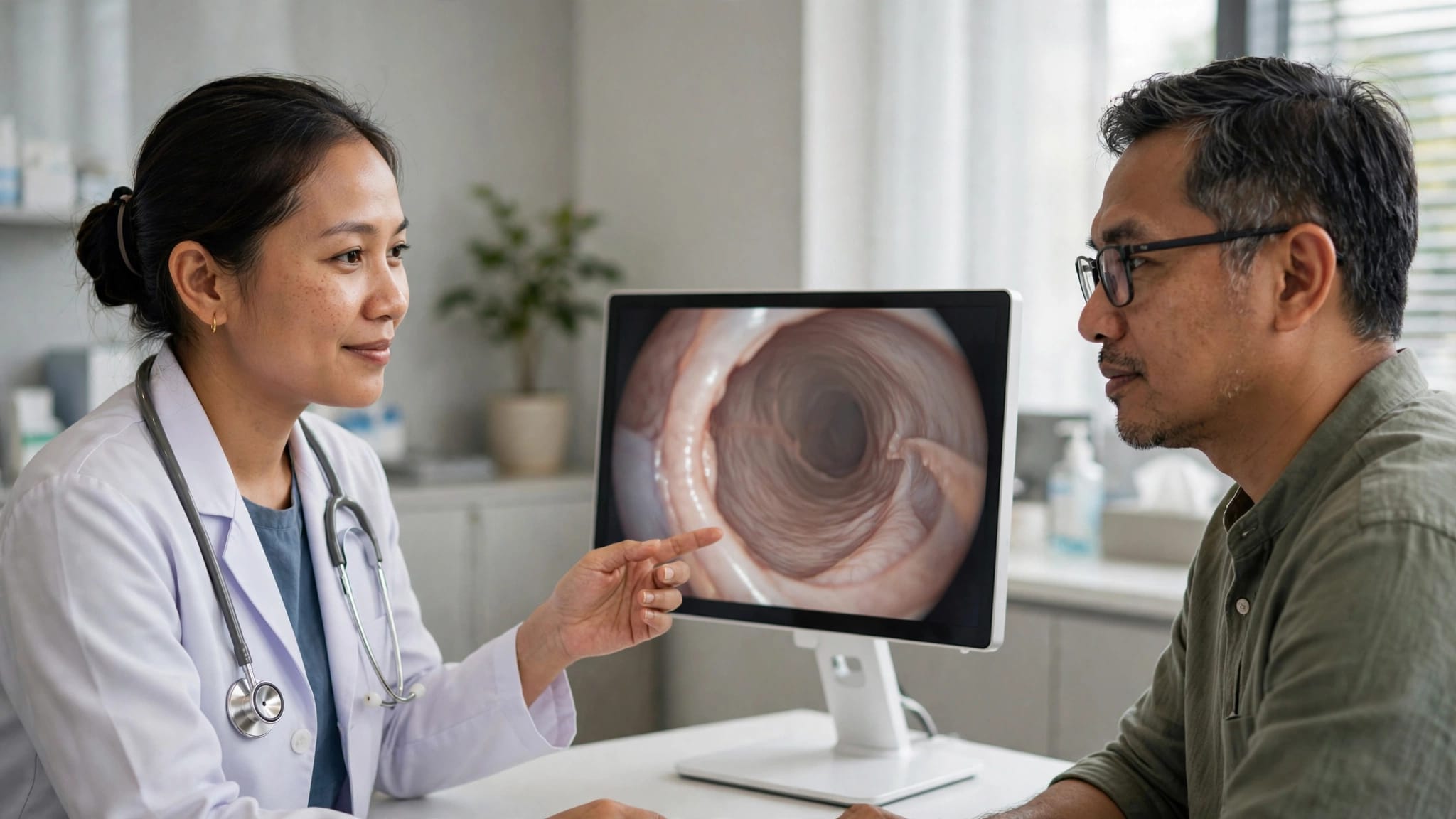
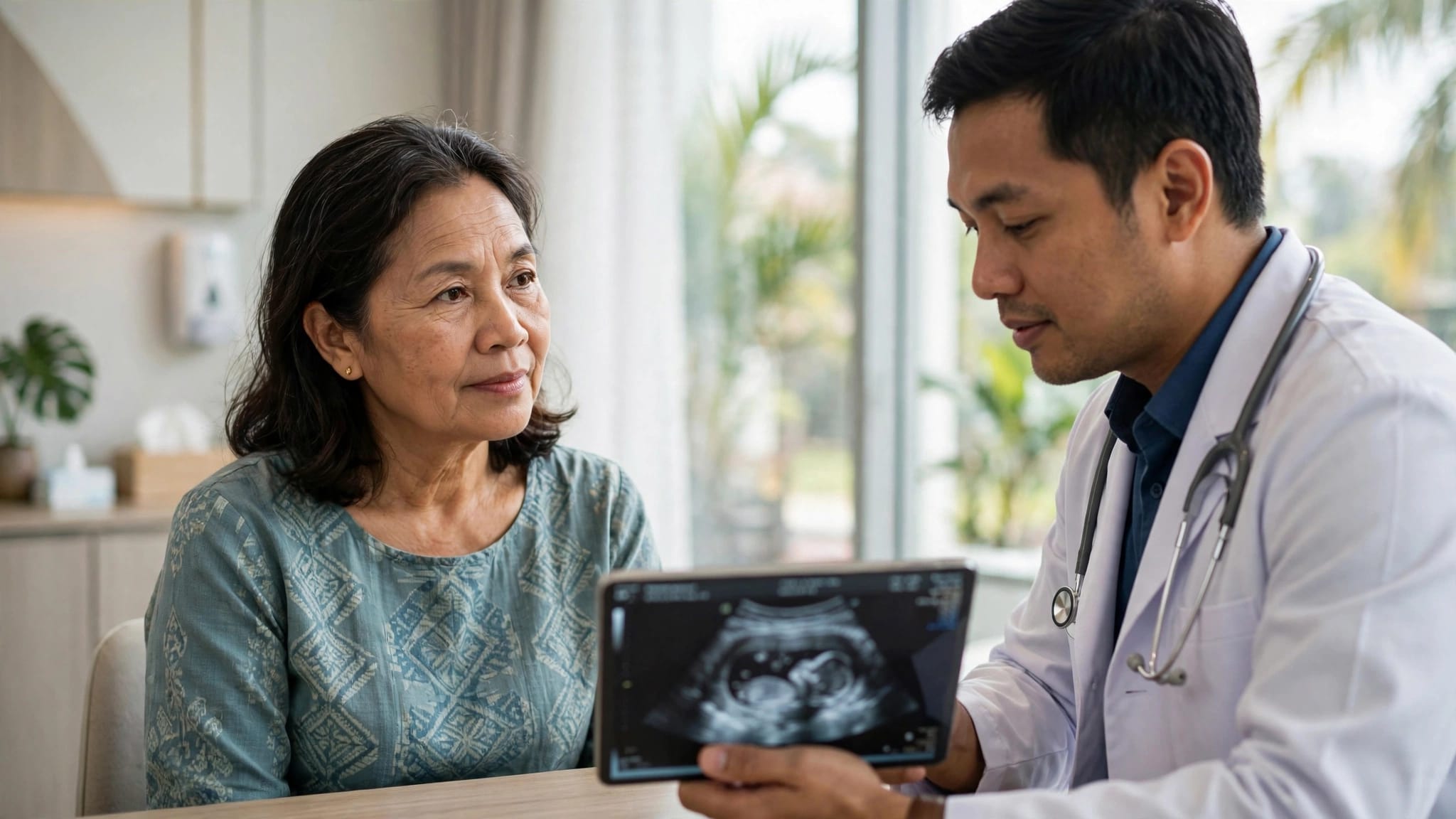
An enlarged lymph node can be reactive after a common infection, but a lump that persists, grows, or appears with other symptoms needs medical assessment. Prompt review may support early detection if lymphoma is present, but a lump alone can’t confirm the disease. A search for lymphoma diagnosis Malaysia often begins when you or someone close to you notices this change.
Lymphoma is a type of blood cancer that starts in lymphocytes, a type of white blood cell. A blood test and scan results help build the picture, but a biopsy is generally needed to identify the type. Knowing the usual steps can help you prepare for appointments without rushing to conclusions.
Key Takeaways
- A persistent, enlarging, or painless swollen lymph node should be assessed by a GP, Klinik Kesihatan, or hospital doctor, especially when accompanied by fever, drenching night sweats, or unexplained weight loss.
- Blood tests and scans help assess your health and show where lymphoma may be present, but they cannot confirm the disease on their own.
- A biopsy provides tissue for pathology and is generally needed to identify the lymphoma type and subtype. Excisional, incisional, or core biopsy may be considered depending on the lymph node’s location and safety.
- After diagnosis, CT, PET-CT, MRI, laboratory tests, and sometimes bone marrow biopsy help with staging and treatment planning.
- Treatment and costs vary between lymphoma subtypes, stages, and Malaysian public or private facilities, so ask about pathology, scan availability, insurance requirements, waiting times, and whether a second opinion may help.
Symptoms that need a prompt medical assessment
Lymph nodes in the neck, armpit, groin, chest, or abdomen can enlarge for many reasons. Lymphoma is only one possibility, so don’t try to diagnose yourself from a symptom list.
B symptoms and other warning signs
Arrange a GP or clinic appointment if you have painless swollen lymph nodes that do not settle, especially if they become larger. Other symptoms doctors may ask about include persistent tiredness, itchiness, frequent infections, abdominal fullness, cough, or shortness of breath.
Doctors also look for “B symptoms”, which are warning signs but not proof of lymphoma:
- An unexplained fever, often above 38 degrees C.
- Drenching night sweats that require you to change clothes or bedding.
- Unintentional weight loss of more than 10% of your body weight over six months.
Seek urgent medical care if you develop trouble breathing, trouble swallowing, severe chest pressure, or rapid swelling around your face or neck.
Lymphoma categories and risk factors
Hodgkin lymphoma and Non-Hodgkin lymphoma are different diseases with distinct cell patterns and treatment approaches. The latter has many subtypes, including B-cell lymphoma, T-cell lymphoma, and other less common forms.
A weakened immune system can affect risk for particular subtypes, while infections and autoimmune conditions can affect the immune system. Epstein-Barr virus and selected chemical exposures have been associated with some lymphoma risks, but these associations do not establish causation. Most people with lymphoma have no clear cause, and risk factors cannot confirm a cancer diagnosis or rule one out when absent.
Your first appointments for suspected lymphoma
A swollen lymph node may need observation, but a diagnosis of lymphoma requires tissue and a pathology assessment.
Start with a referral and clinical examination
You can begin at a GP clinic, Klinik Kesihatan, or hospital outpatient department. The doctor will review your medical history, medicines, family history, past illnesses, and any recent infection. A physical examination will include the lymph nodes, liver, and spleen.
If lymphoma is a concern, you may be referred to a medical specialist, often a haematologist or oncologist, for further tests. In the public system, this commonly involves referral to a district, state, or tertiary hospital. Private hospitals may offer direct access to a cancer specialist, although costs are usually higher.

Plan for costs, records, and test availability
The timing of the assessment can vary. It depends on specialist appointments, the sampling site, pathology tests, imaging access, and whether additional laboratory work is needed.
Ask for a written estimate that separates the oncology consultation, biopsy procedure, surgeon or radiologist fees, pathology, immunohistochemistry, scans, medicines, and follow-up visits. Overall oncology costs can differ sharply between public and private facilities, as well as between insured and self-funded care.
If you use insurance, contact your insurer before major tests. Ask whether pre-authorisation, referral letters, or panel-hospital arrangements apply. Also ask about expected waiting times, because a PET-CT may require a specialist request supported by pathology and prior imaging.
A biopsy confirms the lymphoma type
Blood tests may show anaemia, infection, or changes in white blood cells. They cannot, on their own, prove or exclude lymphoma. A biopsy provides tissue for a pathologist to examine.
Why a fine-needle test may not be enough
Fine-needle aspiration collects individual cells. It can be useful as an early test, but it may not preserve enough lymph node structure to classify lymphoma accurately.
For this reason, doctors often recommend an excisional biopsy, where the entire lymph node is removed, or an incisional biopsy, where part of it is removed. Both the NCI information on lymphoma tissue-sampling approaches and the American Cancer Society’s guidance on diagnosing Non-Hodgkin lymphoma explain why these approaches are commonly preferred when lymphoma is suspected.
A core tissue sample may be appropriate when removing a node is difficult or unsafe. Your specialist will choose the safest method that can produce enough tissue.
What the pathology report may include
The pathology team looks at the cells under a microscope and may use immunohistochemistry, flow cytometry, chromosome studies, or other molecular tests. These findings can identify the lymphoma subtype, its cell markers, and features that affect diagnosis and treatment planning.
Complex testing can take longer than an initial pathology result. Keep copies of the referral letter, pathology report, scan reports, blood results, and slides or tissue-block details if your hospital allows release.
If you are preparing records for another specialist, Explore Medical Report Review Support for help organising and coordinating medical information. This support does not replace interpretation by your treating pathologist or oncologist.
Scans and laboratory results complete the picture
Once pathology confirms lymphoma, your care team uses scans and laboratory findings to assess where it is present and how your body is functioning before cancer treatment begins.
How CT, PET-CT, and MRI scans differ
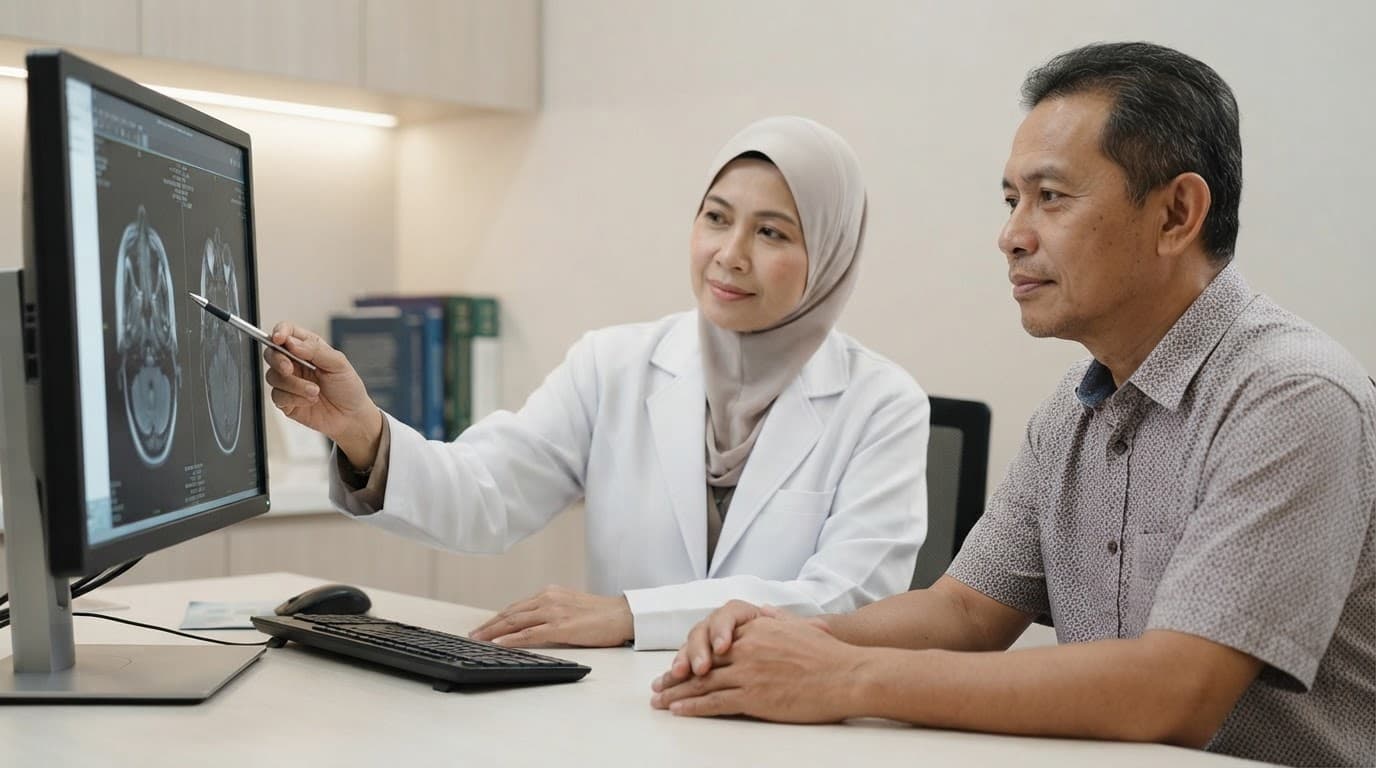
A CT scan maps enlarged lymph nodes and organs in detail. A PET scan for cancer, usually combined with CT, can show areas that take up a radioactive, glucose-like tracer. This may help identify active lymphoma and assess response during or after treatment.
A follow-up CT scan can provide a useful comparison with earlier images. The Lugano staging recommendations for lymphoma support PET-CT for many FDG-avid lymphomas, although suitability varies among Non-Hodgkin lymphoma subtypes. PET-CT is not a screening test and cannot replace tissue confirmation. Some slow-growing lymphomas also show less tracer uptake.
Laboratory work, bone marrow, and staging
Your laboratory work may include a blood test measuring blood counts, lactate dehydrogenase, kidney and liver function, and infection markers before certain medicines. Doctors may request a bone marrow biopsy if blood counts are abnormal or if it would clarify staging for your lymphoma subtype.
The stage shows lymphoma’s location and extent, usually from stage I to IV, but it is not a simple severity score. The subtype, symptoms, scan findings, age, overall health, and pathology details all shape the diagnosis and treatment discussion.
What happens after diagnosis and staging
A confirmed lymphoma diagnosis is the starting point for a personalised cancer treatment plan. Surgery is rarely the main treatment beyond obtaining tissue, because lymphoma cells can travel through the lymphatic and blood systems.
Treatment depends on type, stage, and biology
Some slow-growing lymphomas can be monitored closely before treatment. Others need treatment soon after staging. Available treatment options may include chemotherapy, immunotherapy, targeted therapy, radiation therapy, or a combination of these approaches.
Some Non-Hodgkin lymphoma subtypes, including CD20-positive B-cell lymphoma, may receive an antibody medicine with chemotherapy. Localised disease may also involve radiation therapy. If lymphoma returns or does not respond as expected, a specialist may discuss other medicines, chemotherapy, a stem cell transplant, or selected advanced therapies.
Treatment suitability depends on your lymphoma subtype, cancer stage, biomarkers, scan results, previous treatment, health status, and the services available at the cancer hospital. Supplements, traditional remedies, and complementary therapies shouldn’t replace prescribed oncology care. Tell your team about anything you’re taking, because some products can interfere with treatment.
When another specialist perspective may help
A cancer second opinion may be useful when pathology is uncertain, the subtype is rare, treatment choices are complex, or you want a plan review before starting a major course of care. Another qualified specialist may confirm the original recommendation, clarify it, request further tests, or identify another medically appropriate option.
You can Explore Cancer Second Opinion Support if you need coordination for a qualified specialist review. For general treatment-pathway information, Explore Cancer Treatment Options.
Different hospitals may have different specialist teams, technologies, waiting times, and support services. If you’re considering care outside Malaysia, Explore Overseas Hospital Options for hospital-enquiry and medical-travel coordination. Overseas care isn’t automatically more suitable, so compare options with your treating team.
Questions to take to your oncology consultation
A caregiver can take notes, record agreed points with permission, and help you keep documents together. Bring a written list of questions, because appointments can feel fast when you’re processing new information.
- What exact lymphoma type and subtype does my pathology report show?
- Do I need further staining, genetic testing, or a pathology review?
- What stage is the lymphoma, and which scan findings support that stage?
- What are my treatment options after cancer diagnosis, and what is the aim of each one?
- What side effects, costs, waiting times, and follow-up tests should I expect?
- Would seeking a second opinion for cancer be reasonable before treatment starts?
Frequently Asked Questions
Can a blood test diagnose lymphoma?
No. Blood tests can show changes such as anaemia or abnormal blood counts, but they cannot prove or exclude lymphoma by themselves. A biopsy is generally needed to examine the tissue and identify the lymphoma subtype.
What type of biopsy is usually used for suspected lymphoma?
Doctors may recommend an excisional biopsy, which removes the whole lymph node, or an incisional biopsy, which removes part of it. A core biopsy may be suitable when removing the node is difficult or unsafe, while a fine-needle test may not provide enough tissue structure for accurate classification.
Are PET-CT and CT scans enough to confirm lymphoma?
No. CT and PET-CT scans can show enlarged lymph nodes, active areas, and the possible extent of disease, but they cannot replace tissue confirmation. The suitability of PET-CT also varies between lymphoma subtypes.
How long does lymphoma diagnosis take in Malaysia?
The timing varies according to specialist appointments, biopsy access, pathology and immunohistochemistry testing, and scan availability. Ask the hospital for an expected timeline and a written estimate covering consultation, biopsy, pathology, scans, medicines, and follow-up care.
Should I seek a second opinion after a lymphoma diagnosis?
A second opinion may be useful when the pathology is uncertain, the lymphoma is rare, or treatment choices are complex. Another qualified specialist can review the reports, confirm the diagnosis and plan, or recommend further testing where appropriate.
The next step after a lymphoma diagnosis
A reliable diagnosis comes from connecting the pathology result with laboratory findings, scans, symptoms, and specialist assessment. Keep your reports organised, ask direct questions, and give yourself time to understand the recommendation where your medical situation allows.
Medical disclaimer: This article is for general educational information only and may not apply to every patient. It is not medical advice, a diagnosis, or a treatment recommendation. Consult your own doctor, oncologist, or qualified healthcare professional before making medical decisions.